Best months: May to December (dry season)
Country: Mauritius
Region: Belle Mare · Le Morne · Grand Baie · Chamarel
A Month-by-Month Guide to the Best Time to Visit Mauritius
The best time to visit Mauritius falls between May and December, when the dry season brings lower humidity, calm seas and comfortable temperatures across the island. Unlike flat-atoll destinations, Mauritius pairs Indian Ocean water with volcanic peaks, Creole culture and a coastline that changes character every thirty kilometres.
At Escape Xperts, we help travelers resolve the best time to visit Mauritius for their specific interests — because this island rewards those who move beyond the sunbed.
Dry Season and Summer Rains: Choosing Your Window
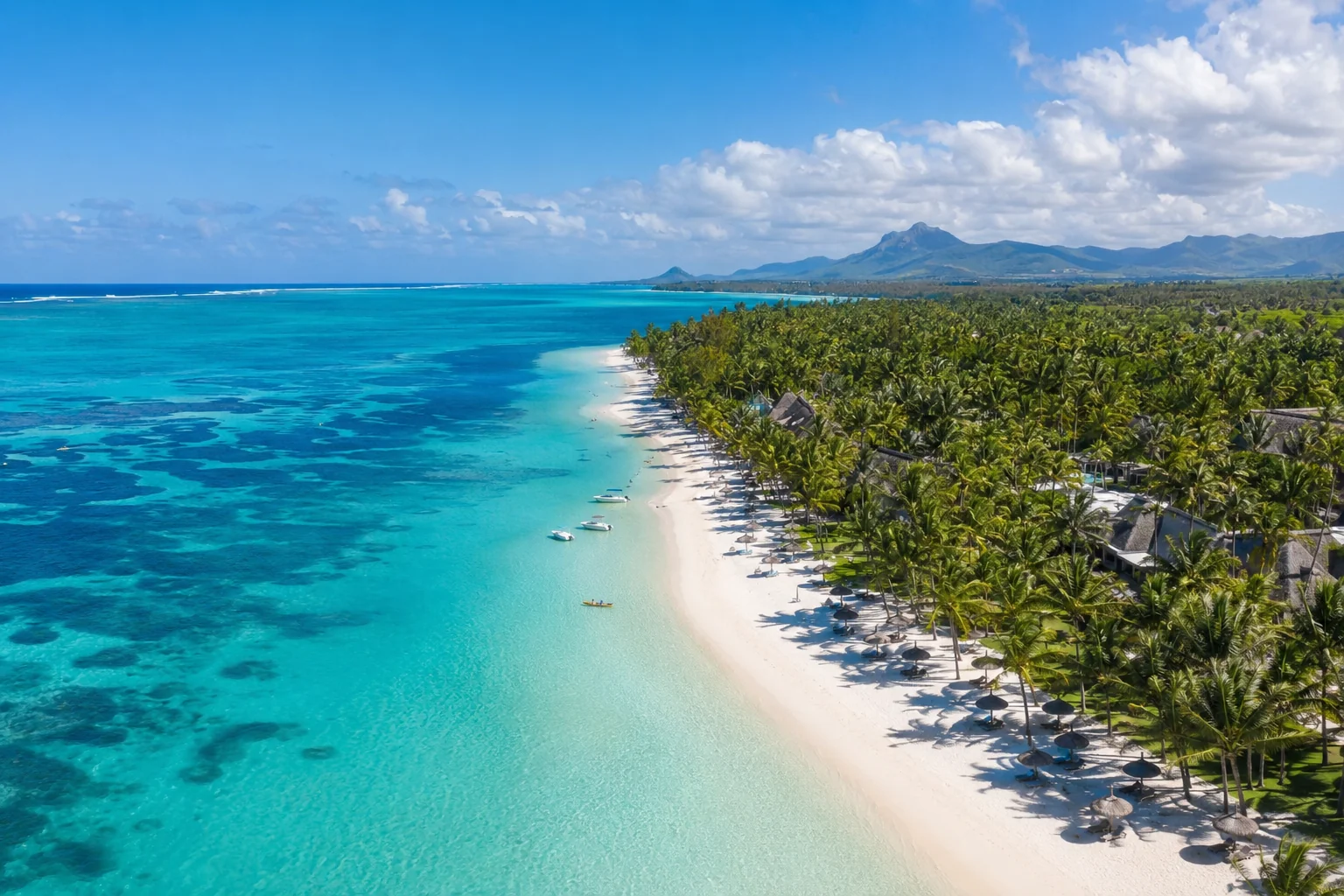
The dry winter months from May to October deliver the most reliable weather, with temperatures between 20 and 25 degrees Celsius and minimal rainfall. July and August are the coolest and driest, ideal for families and active travelers who want to hike Le Morne Brabant or explore Black River Gorges without heat.
In contrast, November to April brings the warm, humid summer. Cyclone risk peaks in January and February, though storms rarely last more than a day or two. Because of this, travelers who prefer warmth without peak-season crowds often choose November or early December — still warm, lower humidity than January, and rates below peak.
Therefore, the best time to visit Mauritius depends on whether the priority is cool comfort, warm water or value.
Four Coasts, Four Characters
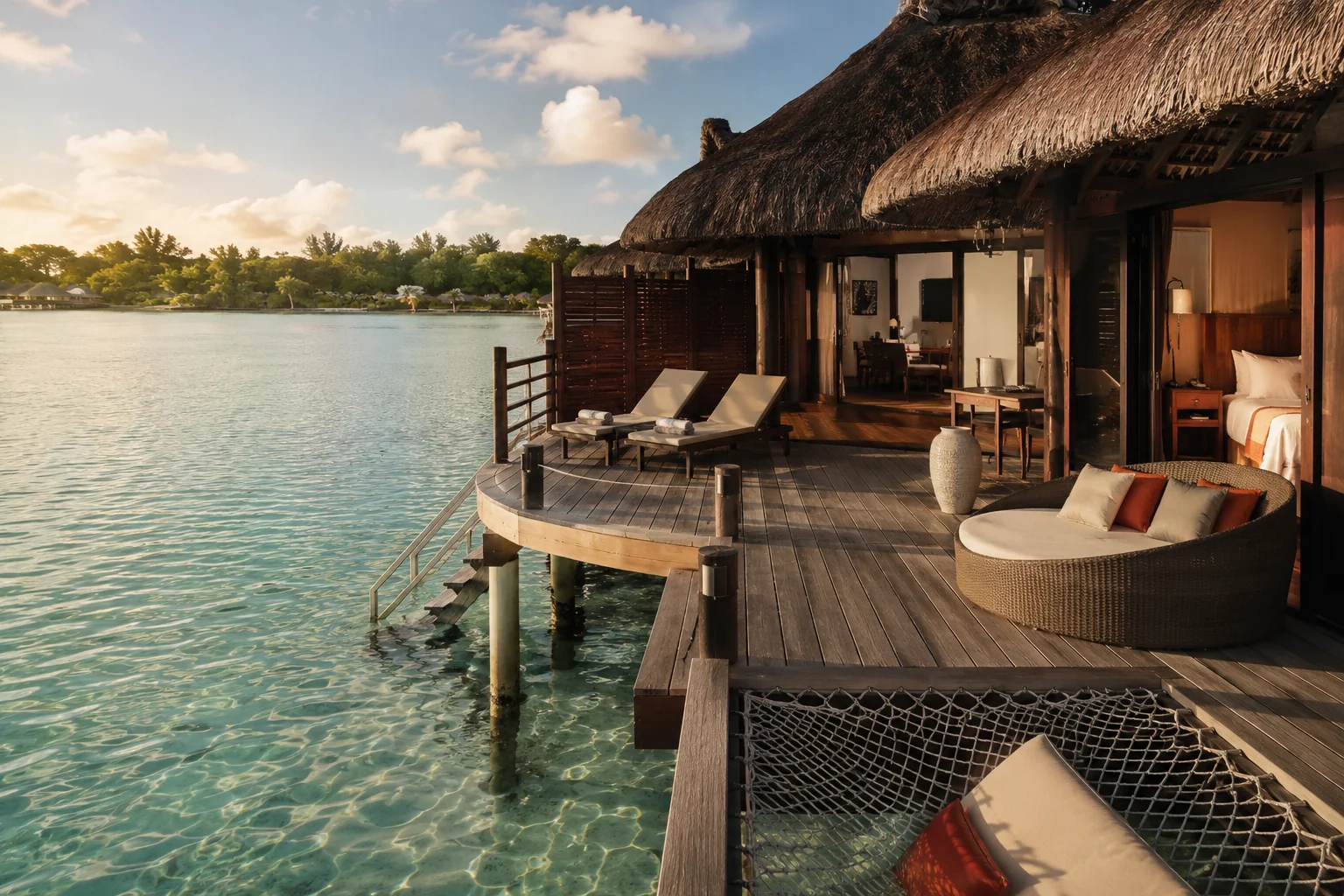
The east coast — anchored by Belle Mare and Ile aux Cerfs — offers the longest white-sand stretches and the most consistent reef protection. Constance Prince Maurice sits here, surrounded by mangroves and calm water.
Meanwhile, the north around Grand Baie and Trou aux Biches delivers the liveliest atmosphere: restaurants, markets and sheltered bays that stay calm even when trade winds push waves along the south coast.
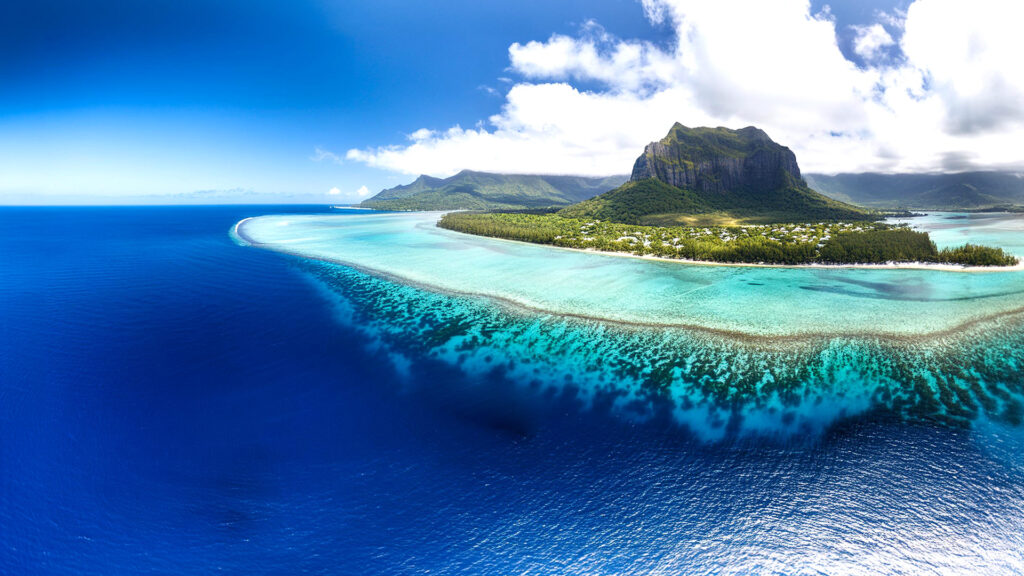
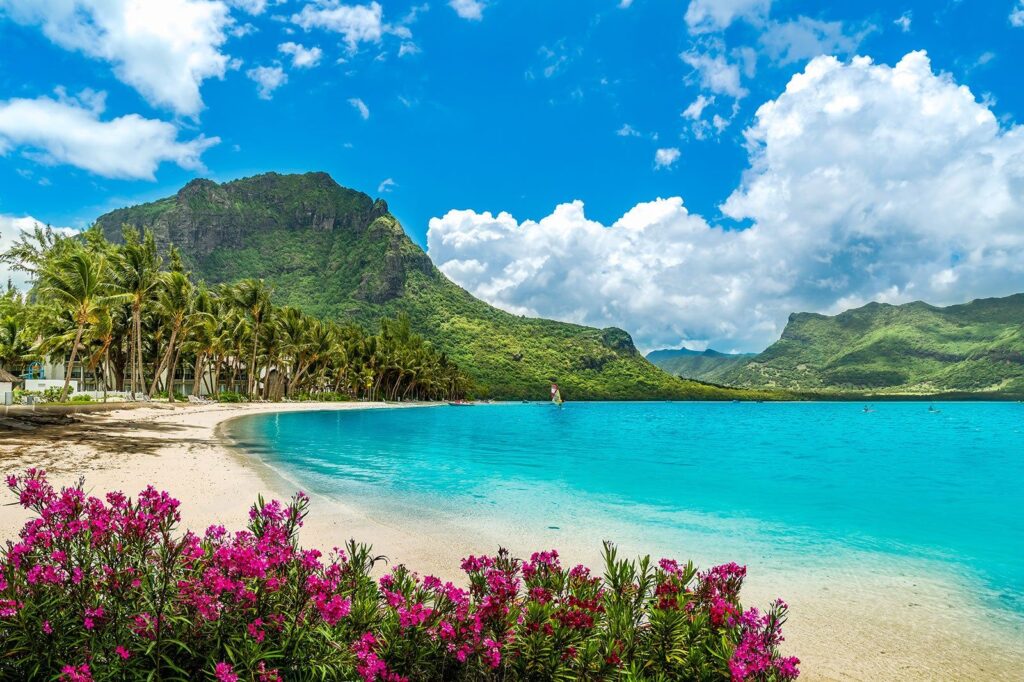
The west coast at Flic en Flac faces the best sunsets and the warmest winter temperatures. In addition, the southwest anchored by Le Morne Brabant — a UNESCO World Heritage site — combines dramatic mountain scenery with kitesurfing conditions that draw riders from June through October.
As a result, choosing the best time to visit Mauritius starts with choosing the right coast. Families often split between east and north. Active travelers gravitate southwest.
Beyond the Beach: Chamarel, Le Morne and Creole Culture
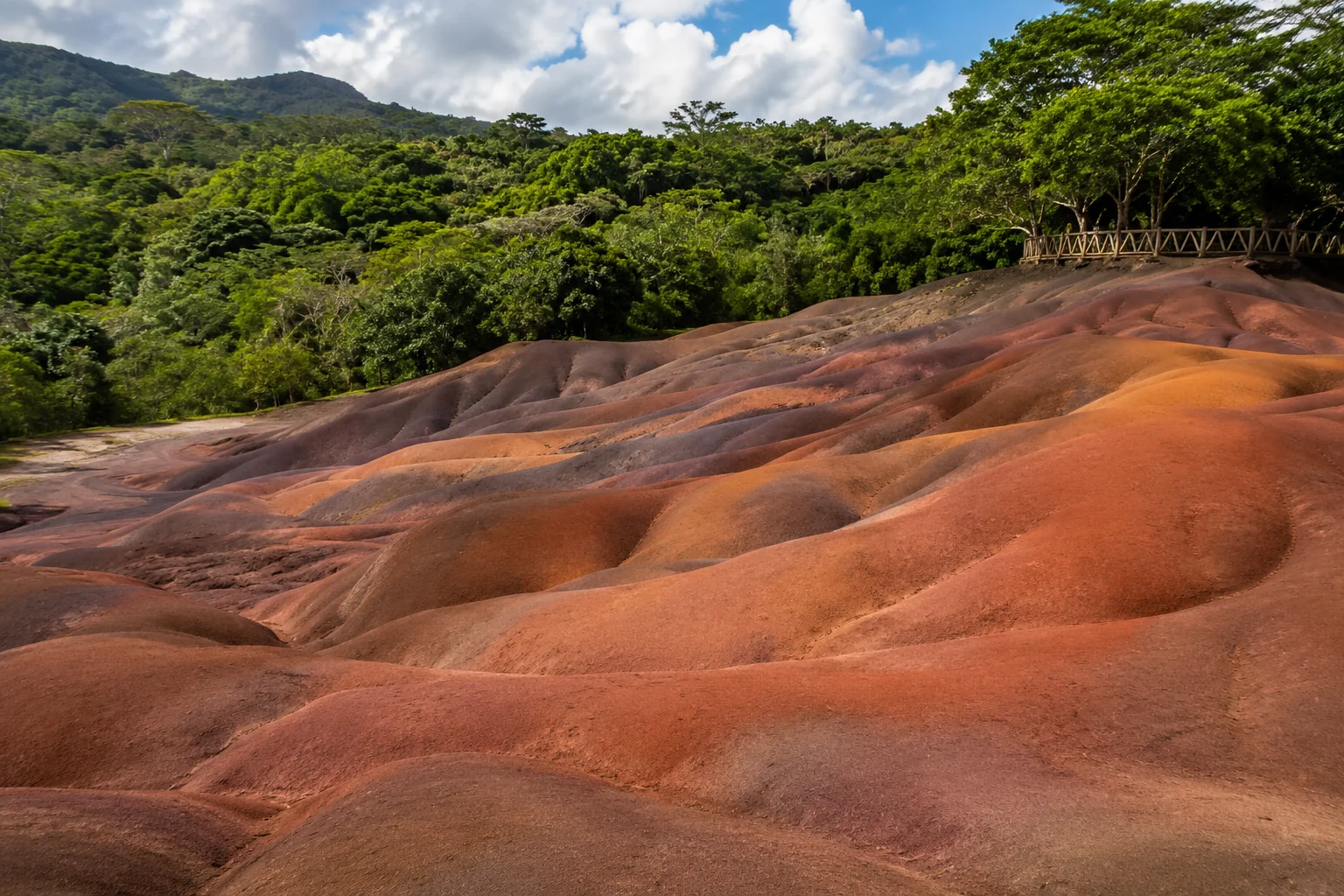
Chamarel sits in the island’s interior, home to the Seven Coloured Earth geological formation, a rum distillery and a waterfall circuit through Black River Gorges. It is the single best day trip on the island for travelers who want to understand what makes Mauritius more than a beach.
Pamplemousses — the Sir Seewoosagur Ramgoolam Botanical Garden — houses giant water lilies and centuries-old trees. Finally, the island’s Creole heritage surfaces in Port Louis markets, roadside dholl puri stalls and evening Sega performances — a drum-and-dance tradition that blends African, Malagasy and French influences.
LUX* resorts across the island integrate these cultural encounters into the guest experience, from guided market visits to private Sega evenings on the beach.
Resorts and Duration
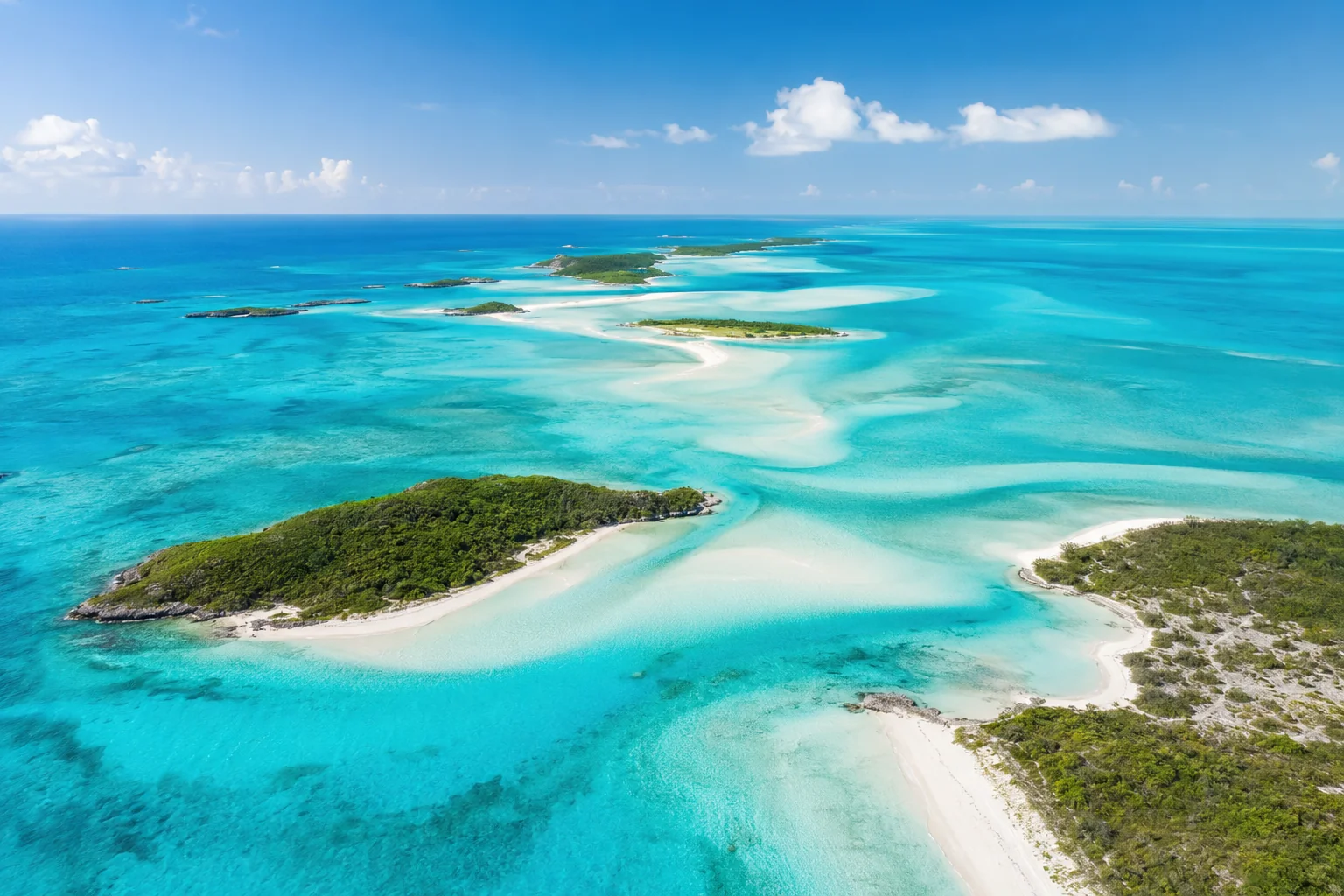
For families considering the best time to visit Mauritius, a ten-day stay split between east and southwest covers both reef and mountain. A week works for a single-coast visit, though the island’s diversity justifies the extra days.
Constance Prince Maurice on the east coast and LUX* Le Morne on the southwest are natural counterparts: reef calm and mountain drama. For the north, Trou aux Biches properties offer proximity to Grand Baie dining and boat excursions to Ile aux Cerfs.
For travel planning: https://whc.unesco.org/en/list/1259
Volcanic peaks, Creole rhythm, and Indian Ocean water that does more than glitter
Signature Experiences
- Sunrise hike on Le Morne Brabant (UNESCO)
- Seven Coloured Earth and Chamarel waterfall circuit
- Reef snorkeling off Belle Mare and Ile aux Cerfs
- Private Sega performance on the beach
- Pamplemousses botanical garden guided visit
- Catamaran day sail along the west coast
- Dholl puri tasting in Port Louis market
- Kitesurfing at Le Morne lagoon
- Grand Baie sunset dinner cruise
- Black River Gorges rainforest trail
Ready for Something Extraordinary?
Mauritius reveals its full range when coast, season and inland excursions are woven into a single itinerary. At Escape Xperts, we design Indian Ocean journeys that balance reef days with mountain mornings and cultural encounters — for families, couples and groups who want more from an island than a sunbed.
Why Travel to Mauritius with Escape Xperts
Mauritius stands apart in the Indian Ocean because it offers genuine depth — volcanic terrain, Creole culture, four distinct coasts and a calendar that rewards careful timing. At Escape Xperts, we match the right coast and the right season to each traveler, coordinate inter-resort transfers, and build in the inland experiences that most beach itineraries overlook. The result is a journey through Mauritius that proves the best time to visit Mauritius is whenever the itinerary is designed with precision.