Best for photography: Masai Mara · Amboseli · Chobe · Namibia dunes
Key factors: Golden hour light · Private concession access · Off-road driving · Hides
Best for: Serious amateur and professional wildlife photographers
Photographic Safari: Where and When to Get the Shot
A photographic safari is defined by two things that most safari planning overlooks: light and access. The difference between a snapshot and an extraordinary wildlife photograph is rarely the camera — it is the angle of the sun, the position of the vehicle, the freedom to go off-road and the patience to wait. The best wildlife photography africa destinations are the ones that deliver all four, and knowing which park offers which kind of image is the starting point of every serious photo trip.
At EscapeXperts, we design photographic safari itineraries around the light, the concession and the subject — matching the season, the lodge and the guide to the images the traveler wants to bring home.
Destinations by Image: Matching the Shot to the Park
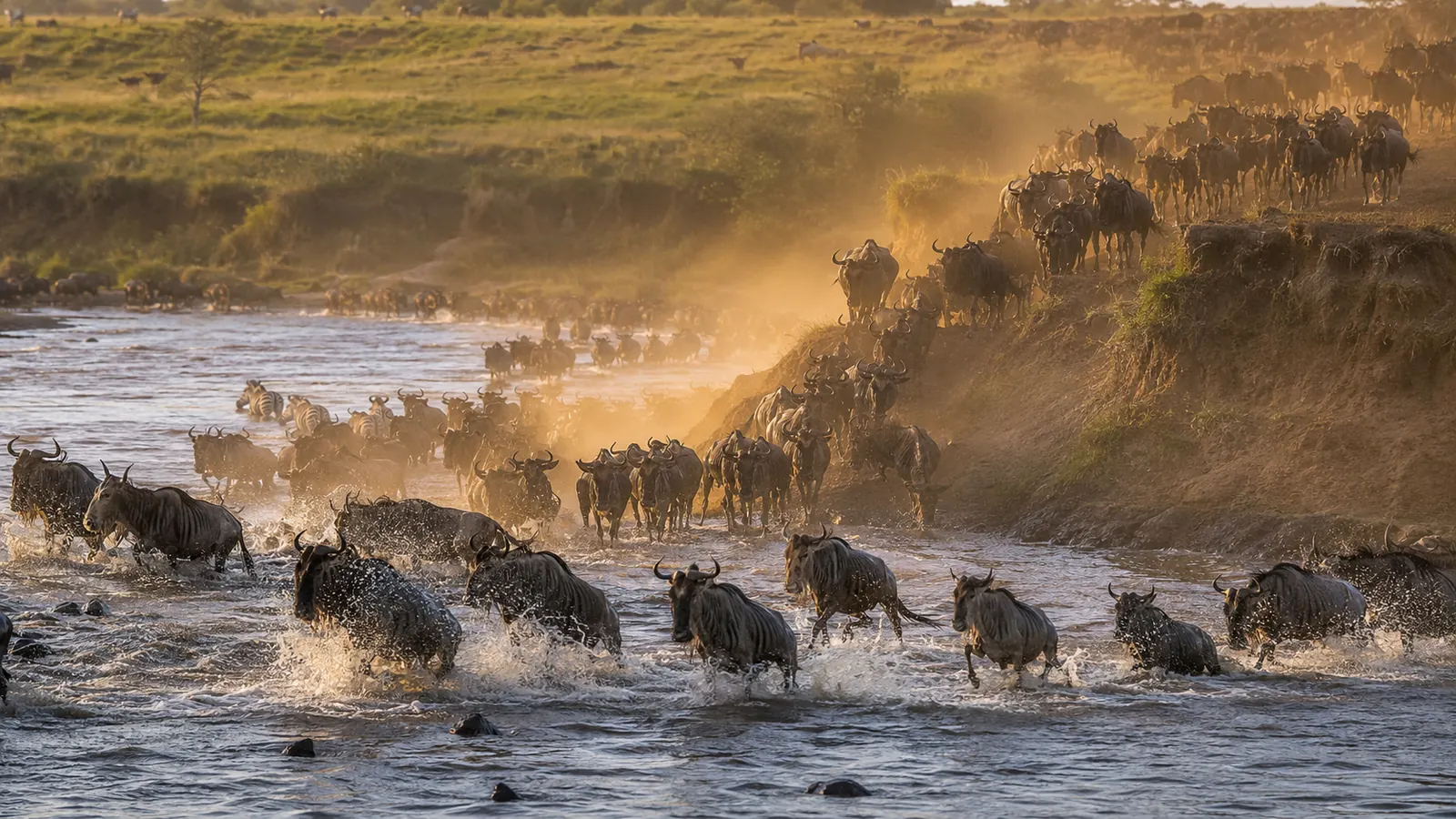
Every great safari destination produces a different kind of photograph. The Masai Mara during the migration delivers the definitive action shot: wildebeest leaping into the Mara River, crocodiles striking, dust clouds lit by the low sun. The drama is intense, the windows are short, and the photographer who knows the crossing points and the time of day will get the image.
Amboseli in Kenya produces the iconic landscape-wildlife composite: elephant herds silhouetted against the snow-capped summit of Kilimanjaro. The mountain is clearest at dawn, and the elephants move across the dry lakebed in a formation that looks composed even when it is entirely wild.
Meanwhile, Chobe in Botswana offers the water perspective — boat safaris along the river at sunset, with elephants bathing, hippos surfacing and birds in flight against the warm sky. The water-level angle is impossible from a vehicle and produces images with a quality of light that the bush cannot match.
In addition, Namibia delivers the landscape photograph: the burnt-orange dunes of Sossusvlei, the Deadvlei pans, the desert-adapted elephants of Damaraland. These are not wildlife-in-habitat images — they are compositions where the land itself is the subject, and the scale is what makes them extraordinary.
Light and Timing: Why Golden Hour Changes Everything
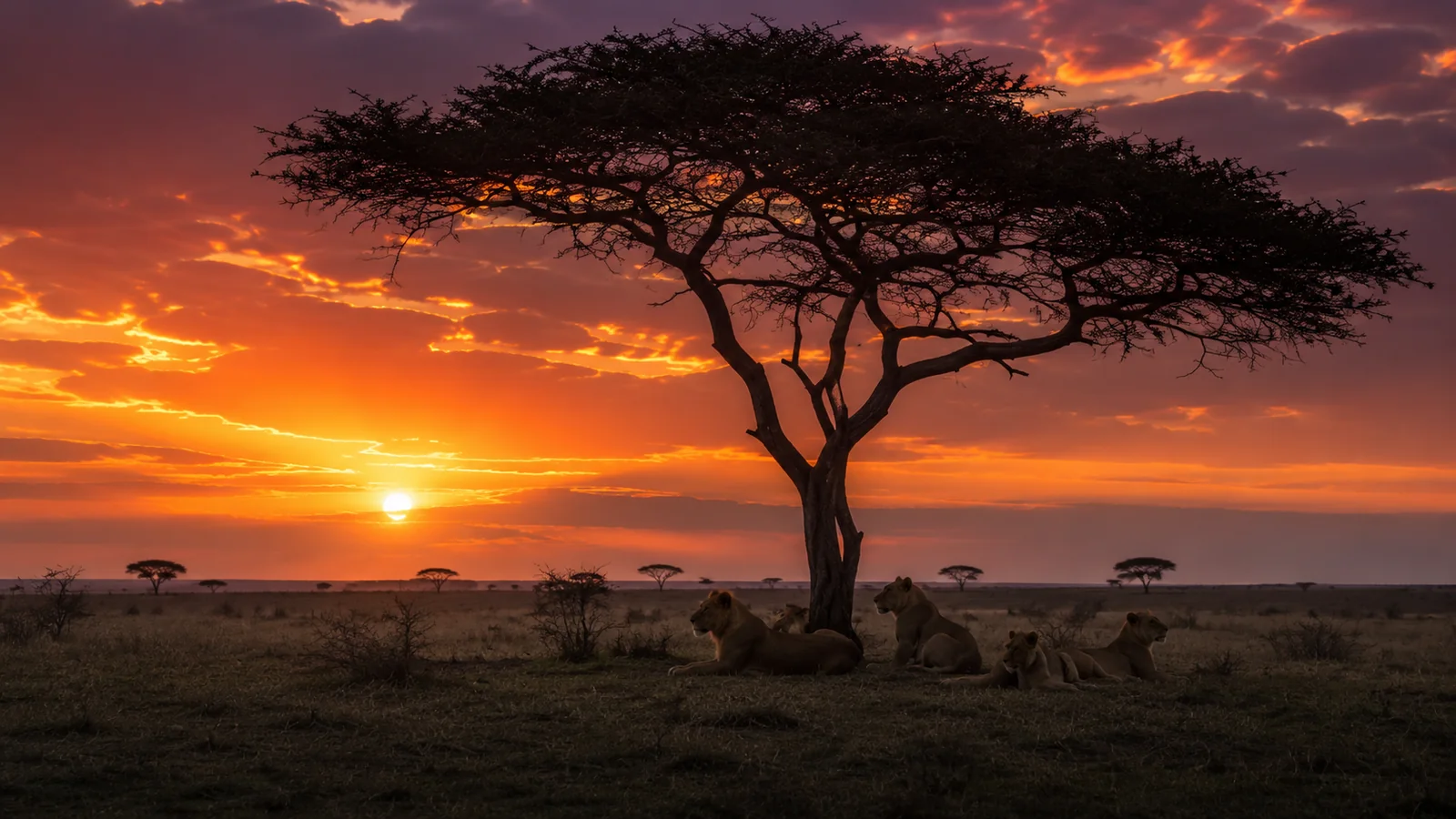
The most important variable in safari photography is light. The golden hour — the first and last hour of sunlight — transforms every subject. Warm, directional light picks up texture in fur, feathers and landscape, creates long shadows that add depth, and produces the warm tones that define the genre.
Therefore, a photographic safari is structured differently from a standard safari. The wake-up is earlier, the return is later, and the midday break is longer — because the two hours after dawn and before dusk are when the images happen. Guides who understand this will position the vehicle relative to the sun, not just relative to the animal.
Because of this, the choice of lodge matters in ways that extend beyond comfort. A camp on the eastern edge of a reserve catches the first light earlier. A camp near a waterhole produces backlit images at dusk. The geography of the accommodation is part of the photographic planning.
Off-Road Access and Hides: Getting the Angle
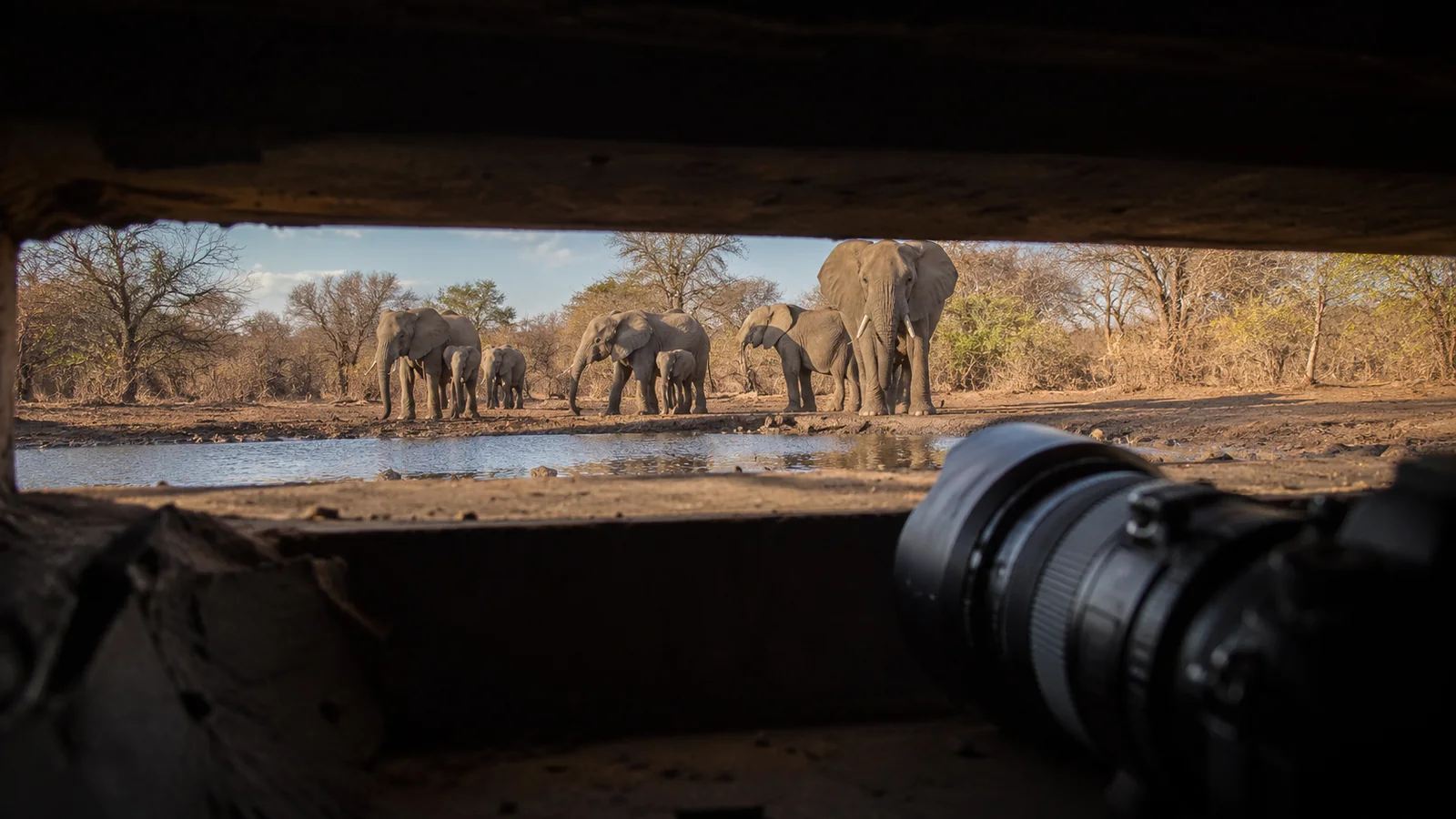
The single biggest advantage of a private concession for photography is off-road driving. In national parks, vehicles must stay on marked roads, which limits the angle, the distance and the background of every shot. On a private concession, the guide can position the vehicle for the best light, the cleanest background and the closest safe distance — and that freedom is the difference between a good photograph and a great one.
In addition, some lodges offer hides — sunken blinds at water level beside a waterhole or river crossing. A hide puts the camera at the same height as the animal, producing images with a shallow depth of field and an intimacy that an elevated vehicle cannot achieve. The best hides in Africa — in the Masai Mara conservancies, the Okavango Delta and Kruger’s private reserves — are designed specifically for serious photographers.
As a result, the photographic safari traveler should prioritise private concessions over national parks wherever possible. The additional cost buys access, flexibility and angles that public roads do not offer.
Planning the Trip: Lodges, Guides and Seasons
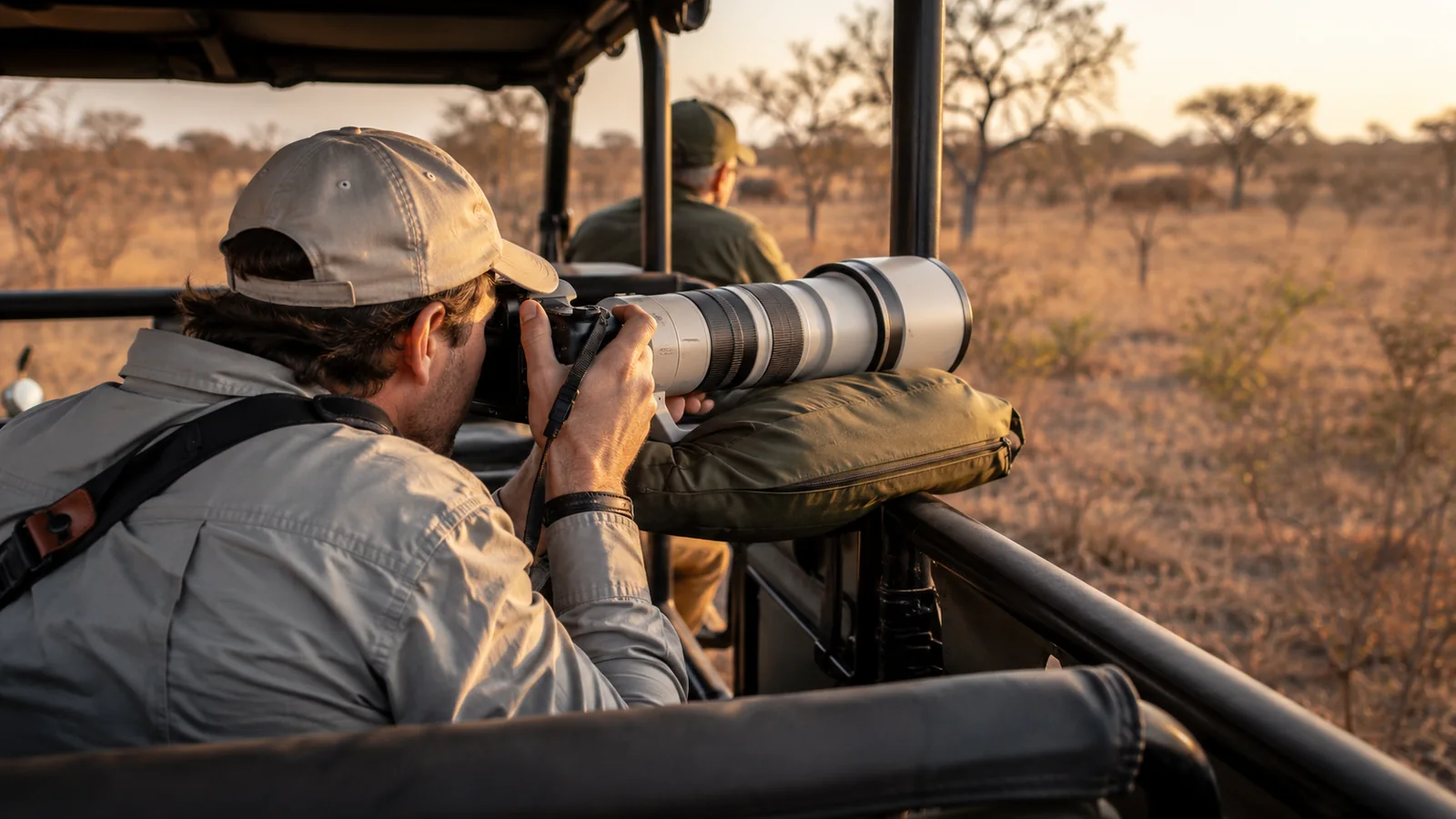
The best photo safari lodges offer more than a comfortable bed. They provide dedicated photography vehicles with beanbag mounts, extra space for long lenses, charging stations for batteries and guides who understand not just the wildlife but the photographic priorities — when to wait, when to reposition, when to leave.
Some operators — Great Plains Conservation, certain andBeyond properties, and specialist companies like Wild Eye — run dedicated photographic safari departures with a professional photographer as co-host. These trips pair the guiding expertise of the lodge with the technical and compositional knowledge of a working photographer.
The season drives the subject. The dry season concentrates animals at water, making hide photography most productive. The green season produces dramatic skies, baby animals and lush backgrounds — harder to find the subjects, but more rewarding when you do. The migration crossing season in the Mara (July to October) is the peak window for action photography.
At EscapeXperts, we build photographic safari itineraries around the image the traveler wants: migration drama, landscape-wildlife composites, intimate predator portraits or vast Namibian landscapes. The concession, the guide and the season are the camera settings that matter most.
The concession, the light and the guide matter more than the lens — plan for the image, not just the animal
Signature Experiences
- Migration river crossing photography in the Masai Mara
- Elephants beneath Kilimanjaro at dawn in Amboseli
- Boat-level sunset photography on the Chobe River
- Deadvlei and dune photography at first light in Namibia
- Hide photography at a waterhole in a private concession
- Leopard portrait session in the Sabi Sands
- Off-road positioning for backlit predator images
- Star photography from a remote bush camp
- Golden hour drive dedicated to landscape-wildlife composites
- Hosted photo safari with a professional wildlife photographer
Explore more Africa journeys: EscapeXperts curates luxury Africa safaris and journeys across the region. To shape the next itinerary, plan a private safari with EscapeXperts.
Ready to Begin the Journey?
A photographic safari is about planning for the image before planning for the trip — the right park for the subject, the right season for the light, and the right concession for the access. At EscapeXperts, we match every element to the photographer’s vision, from the migration drama of the Mara to the vast landscapes of Namibia.
Why Plan a Photographic Safari with EscapeXperts
A photographic safari demands more than a great destination — it demands the right concession for off-road access, guides who understand golden hour positioning, and lodges built for serious photographers. At EscapeXperts, we design photo trips around the image: migration drama, Kilimanjaro composites, water-level Chobe portraits or Namibian landscapes — matching the light, the season and the subject. For heritage context, see https://whc.unesco.org/en/list/156