Dry season: May to October (peak game viewing across most of Africa)
Green season: November to April (calving, birds, lower rates, dramatic skies)
Migration window: July to October in the Masai Mara · January to March calving in the Serengeti
Best Time for an African Safari: A Month-by-Month Guide
There is no single best time for african safari — the answer depends on where you want to go, what you want to see and which kind of experience you are looking for. The dry season concentrates wildlife at water sources and thins the vegetation for easier viewing. The green season brings newborn animals, migratory birds, dramatic skies and significantly lower rates. Both are excellent; they are simply different safaris.
At EscapeXperts, we match the season to the destination and the traveler’s priorities — because the same park in July and January can feel like two entirely different places, and both can be extraordinary.
Dry Season vs. Green Season: The Framework
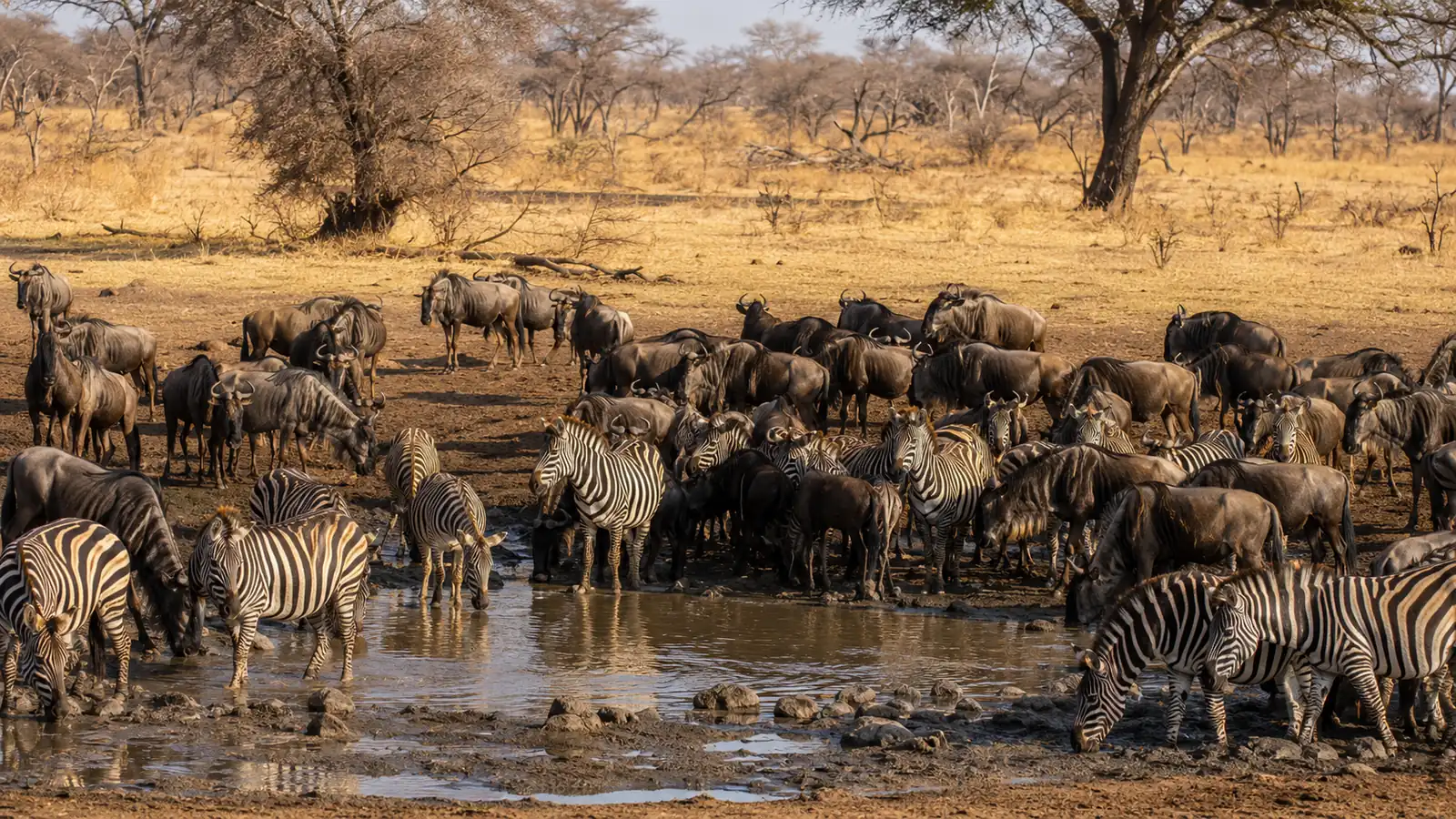
The dry season — roughly May to October across most of Africa — is the traditional peak safari window. Rainfall drops, rivers shrink, vegetation thins and animals gather at the remaining water sources. Game viewing is at its most concentrated and reliable, and the cool, dry weather makes long game drives comfortable.
The green season — November to April — reverses the dynamic. The rains arrive, the landscape transforms from brown to green, and the bush fills with water. Animals disperse across a wider area, making individual sightings harder to predict, but the rewards are different: newborn antelope and zebra, migratory bird species, fewer vehicles and rates that can be thirty to forty percent lower than peak season.
Therefore, the question is not which season is better, but which season matches what the traveler wants. The dry season is the safer choice for first-time visitors who prioritise reliable Big Five sightings. The green season is the choice for returning travelers, photographers and those who want the bush at its most alive.
January to March: Calving Season and the Southern Summer
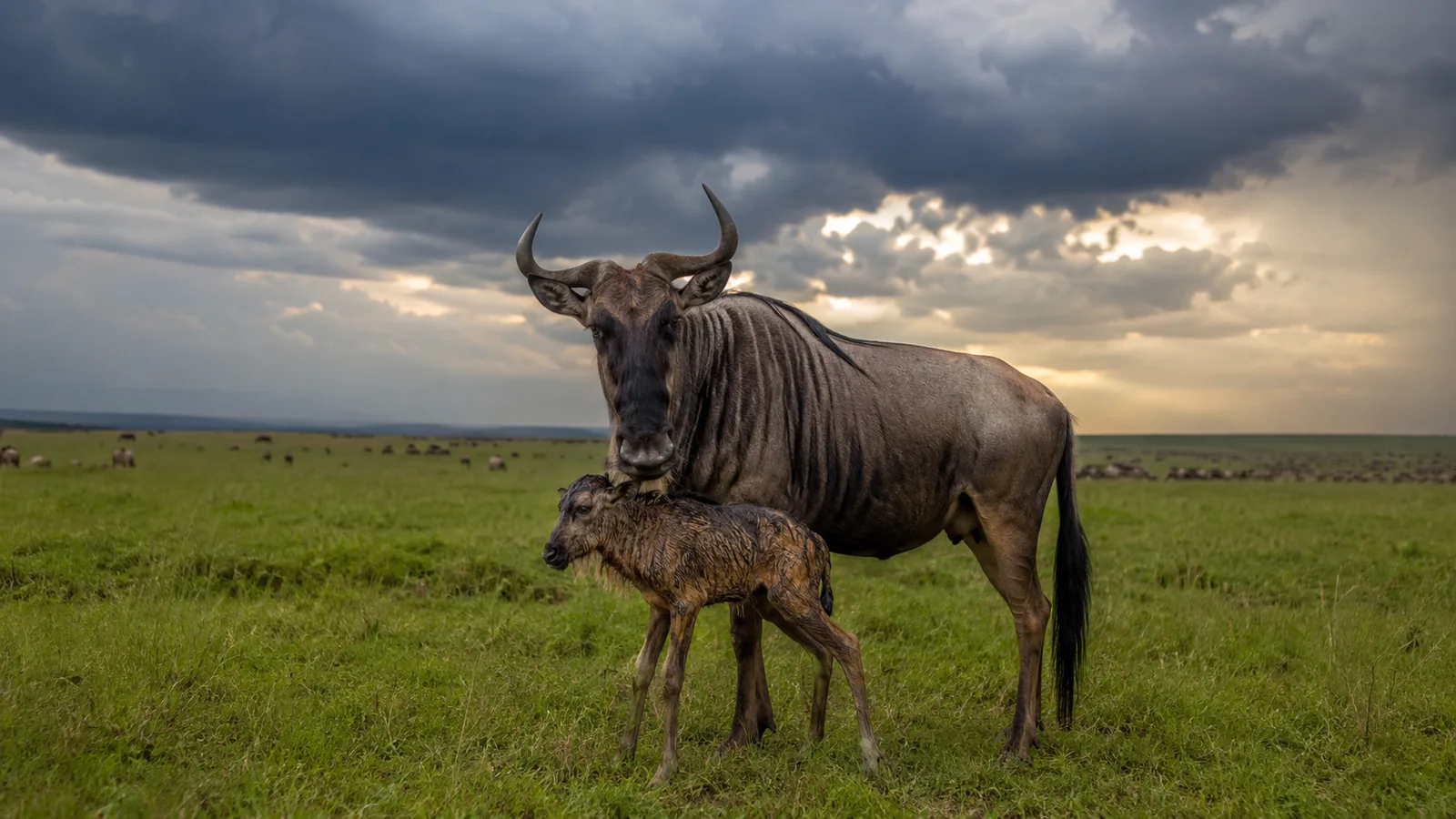
January to March is the heart of the green season in both East and Southern Africa. In the Serengeti, the calving season peaks in February — hundreds of thousands of wildebeest give birth on the southern plains, and the predators gather for the spectacle. It is one of the most dramatic wildlife events in Africa, and the short grass of the Ndutu area makes it unusually photogenic.
In Southern Africa, January to March is the hottest and wettest period. Botswana‘s Delta begins to fill with water from the Angolan highlands, and the Okavango reaches its peak flood between June and August — but the rains that feed it fall now. South Africa’s Kruger and the private reserves are lush, green and alive with birdlife.
Meanwhile, this is shoulder season in many destinations, meaning lower rates, fewer guests and the same lodges at a fraction of peak-season prices. For the traveler who values value and exclusivity over guaranteed dry weather, January to March is one of the smartest windows.
April to June: The Transition and the Early Dry
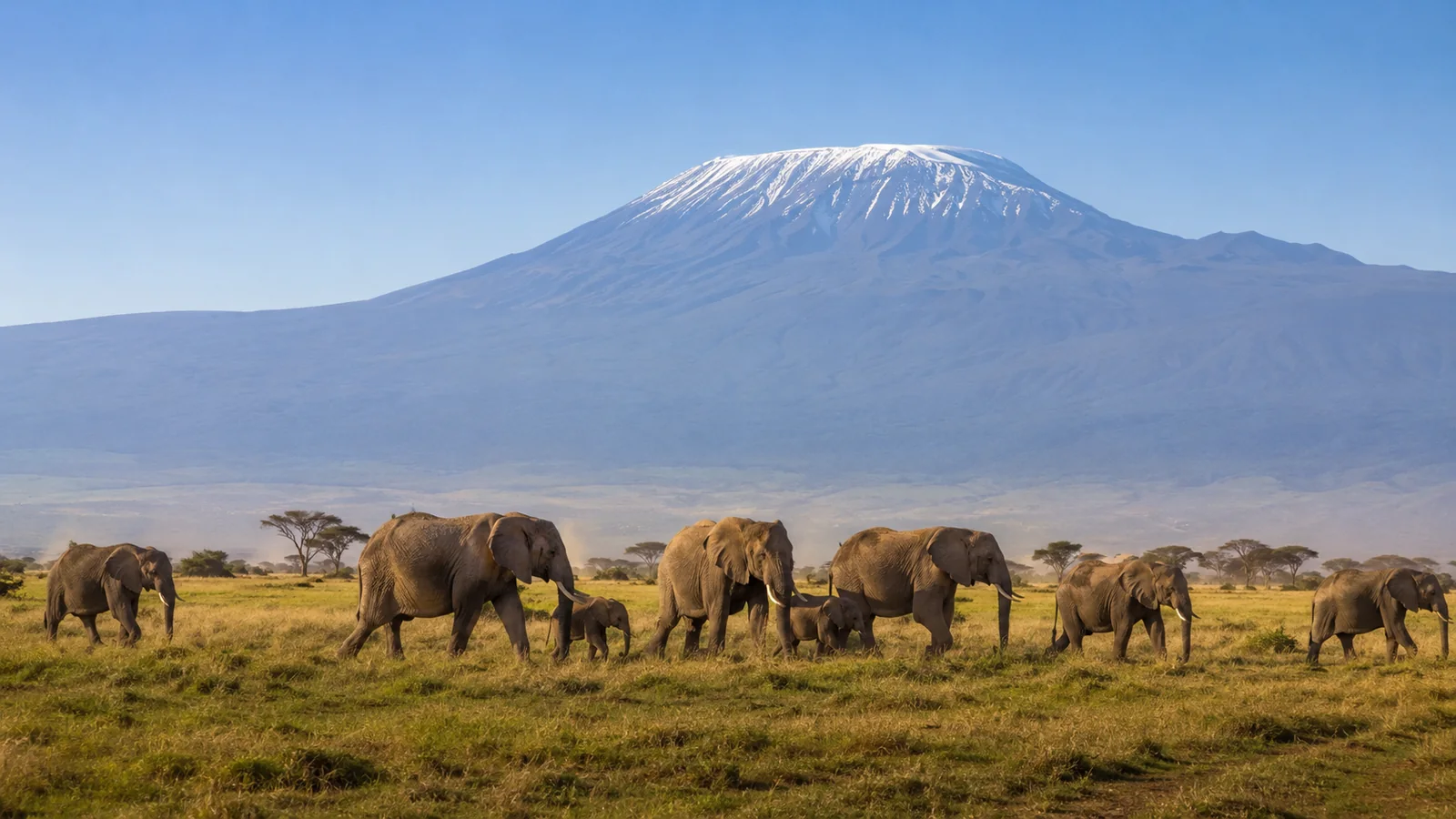
April is the tail of the long rains in East Africa and the start of the dry season in Southern Africa. By May, the bush begins to thin across both regions, and the traditional safari season opens.
In East Africa, the long rains typically end by mid-May, and the Masai Mara and Serengeti enter their dry season with fresh grass, clear skies and animals still well-distributed. The Great Migration herds move north through the western Serengeti corridor during May and June, heading toward the Mara River crossings that peak in July.
In addition, June marks the beginning of peak season for Botswana‘s Okavango Delta — the floodwaters from Angola arrive, transforming the landscape from dry bushveld to a network of channels, islands and lagoons. The mokoro and boat safari season begins, and the Delta enters its most photogenic phase.
July to October: Peak Dry Season and the Migration
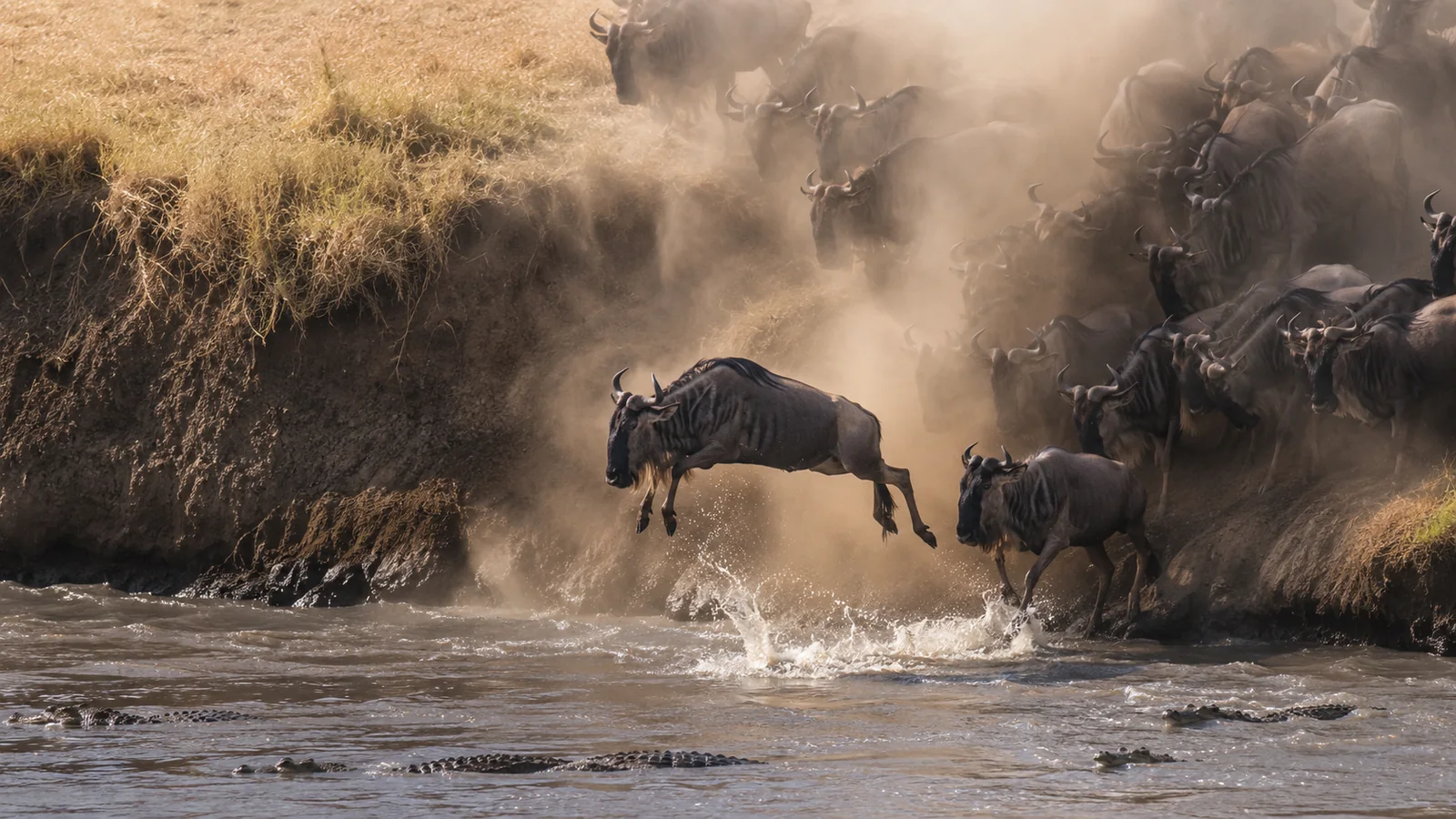
July to October is the peak best time for african safari across the continent. The dry season is fully established, the bush is at its thinnest, and the animals are concentrated at water. This is the window for the most reliable Big Five sightings, the highest density of predator activity, and the most dramatic single event in African wildlife: the Mara River crossings.
The Great Migration reaches the Masai Mara between July and October, with the river crossings — wildebeest hurling themselves into the crocodile-filled water — providing the most intense wildlife spectacle on the continent. In Southern Africa, the Kruger reserves, Chobe and the Okavango Delta are at their best for game viewing, and the Zimbabwe parks — Hwange, Mana Pools — deliver exceptional dry-season encounters.
As a result, July to October is also the busiest and most expensive period. The top lodges book six to twelve months in advance, and the popular Mara conservancies and Delta camps operate at full capacity. For travelers who want peak wildlife without peak crowds, the private concessions and the less-visited parks — Ruaha, South Luangwa, Hwange — offer the same season with far fewer vehicles.
November to December: The Short Rains and the Green Return
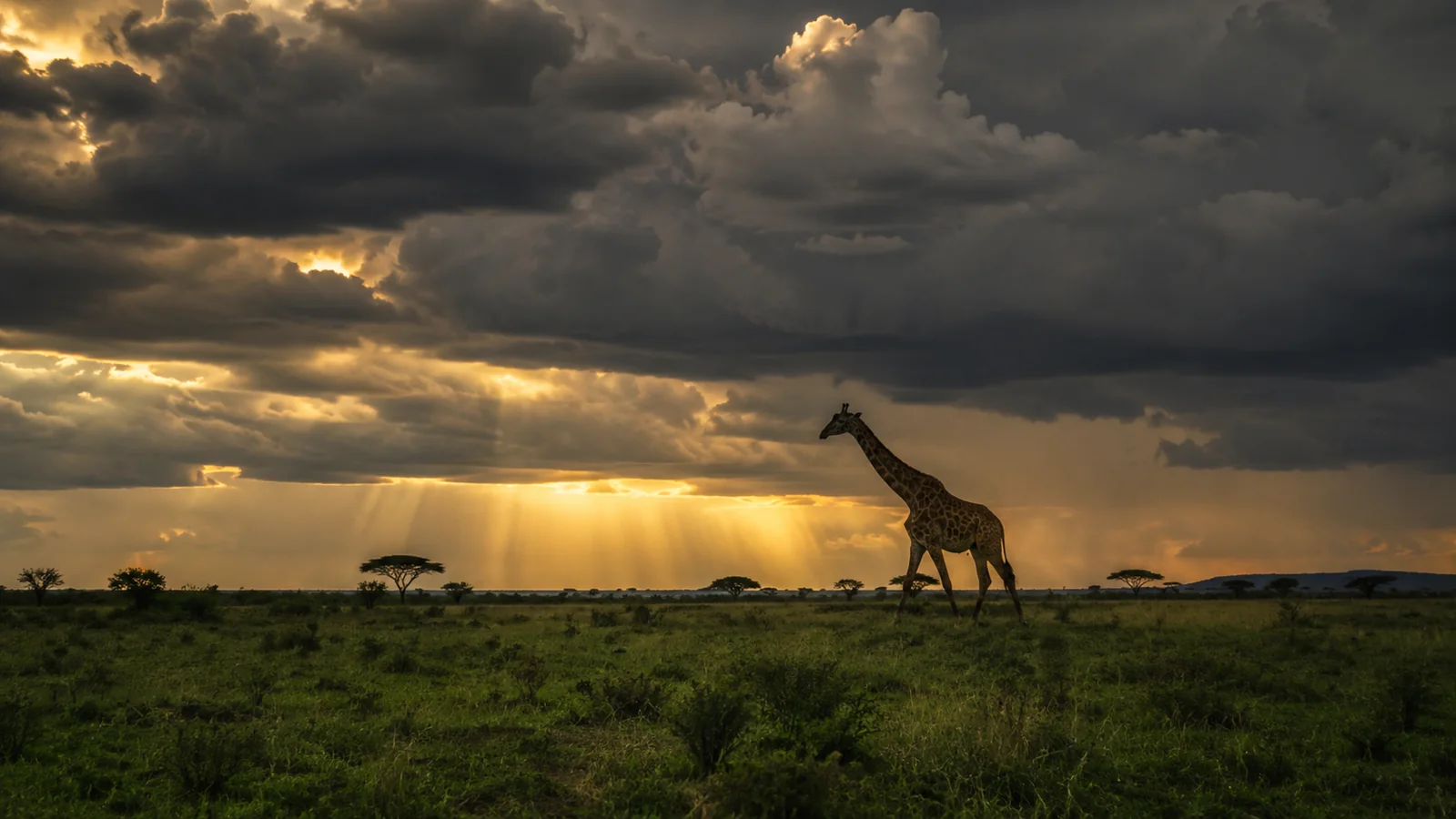
November brings the short rains to East Africa and the first rains to Southern Africa. The landscape greens rapidly, the migratory birds arrive, and the rates drop. In the Serengeti, the herds begin their return south toward the calving grounds, and the park enters a quieter phase that dedicated safari travelers value highly.
In Southern Africa, the green season begins in earnest. The Okavango Delta’s floodwaters recede, but the local rains fill the pans and create a different Delta landscape. The Kalahari’s desert-adapted wildlife — brown hyena, meerkats, gemsbok — is more active during this period.
December is the beginning of the summer holidays in the southern hemisphere, and rates briefly climb for Christmas and New Year at the top properties. However, January quickly returns to green season value pricing, and the cycle begins again.
At EscapeXperts, we design safari itineraries around the season that fits — matching the month by month rhythm of each destination to the traveler’s priorities, whether that is the migration drama of July, the calving spectacle of February, or the green-season value and solitude that the savvy traveler increasingly seeks.
There is no wrong season — only the season that matches what you want to see
Signature Experiences
- Great Migration river crossing in the Masai Mara (July–October)
- Calving season on the Serengeti southern plains (January–March)
- Okavango Delta at peak flood by mokoro (June–August)
- Green season safari at half the price and a quarter the crowds
- Bird photography during the migratory season (November–April)
- Dry season waterhole vigil in Kruger or Chobe
- Shoulder season luxury at reduced rates (April–May, November)
- Night drives during the cool months (June–August)
- Newborn wildlife and predator activity during calving
- Storm-light photography over the African savanna
Explore more Africa journeys: EscapeXperts curates luxury Africa safaris and journeys across the region. To shape the next itinerary, plan a private safari with EscapeXperts.
Ready to Begin the Journey?
The best time for an African safari is the time that matches your destination, your interests and the kind of experience you are looking for. At EscapeXperts, we match the month, the park and the lodge to deliver the safari that fits — whether that is peak migration drama or green-season solitude.
Why Plan Your Safari Season with EscapeXperts
The best time for african safari is not a single month — it is the window where the destination, the wildlife and the traveler align. At EscapeXperts, we read the seasonal calendar across East and Southern Africa and match the dry season, the green season, the migration or the shoulder season to each journey, ensuring the timing works as hard as the itinerary. For heritage context, see https://whc.unesco.org/en/list/156