Best months: July to October (river crossings) · January to March (calving)
Countries: Kenya · Tanzania
Region: Southern Serengeti · Western Corridor · Northern Serengeti · Masai Mara
Best for: River crossings, calving season, predator action
The Great Migration: When and Where to Be
The Great Migration is a continuous loop — roughly two million wildebeest, zebra and gazelle circling between the Serengeti and the Masai Mara in search of rain and fresh grass. There is no single best month. The right time depends on which stage of the cycle you want to witness, from the calving to the river crossings.
At Escape Xperts, we reframe the question. Rather than chasing one perfect week, we plan around the traveler’s priorities: the drama of the Mara River crossings, the tenderness of the calving season, or the quieter shoulder months when the herds move in vast columns across open plains. The Great Migration spans two countries — Kenya and Tanzania — and understanding its rhythm month by month is the key to being in the right place at the right time.
January to March: Calving on the Southern Plains
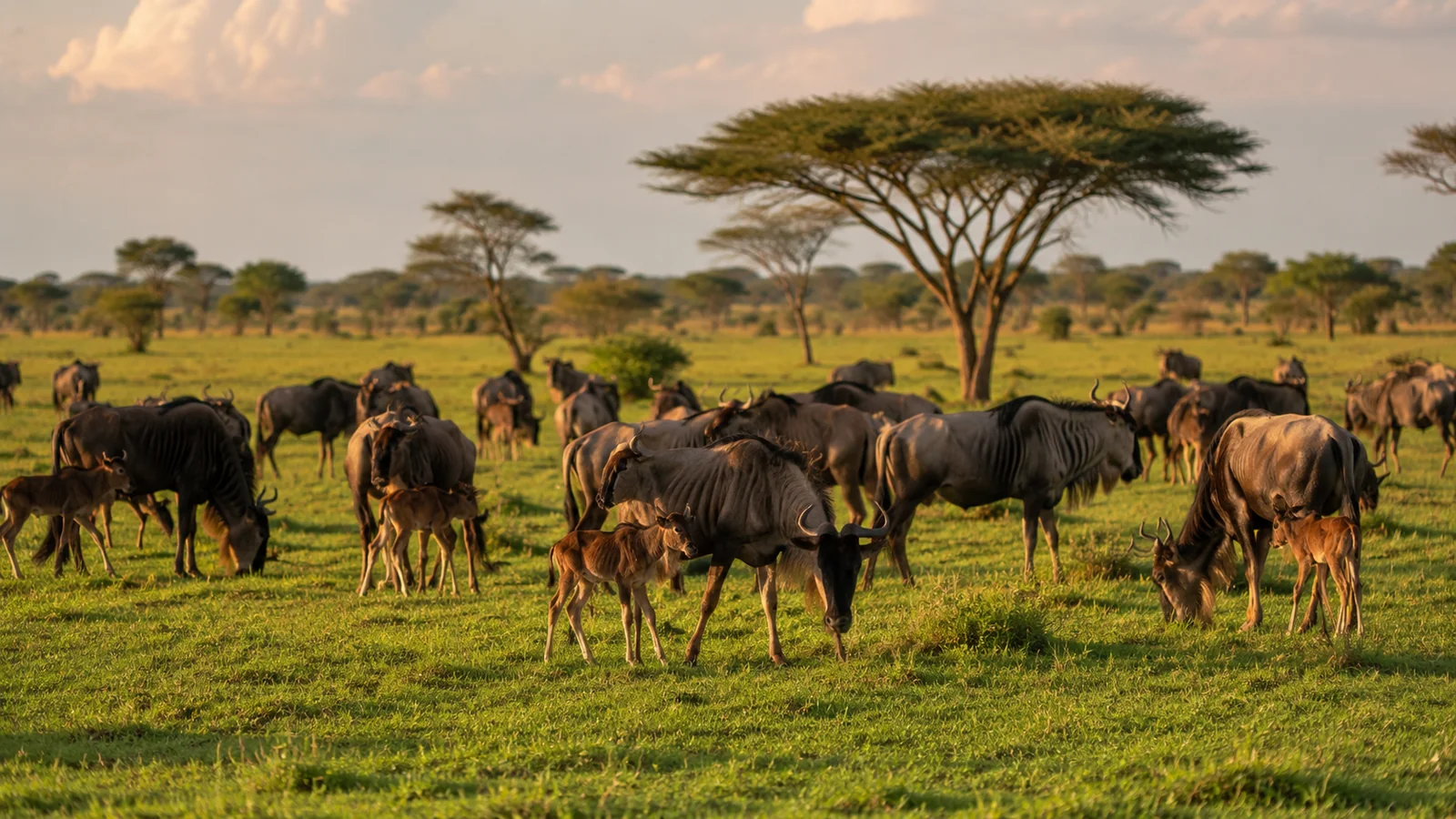
The year begins in the southern Serengeti, around the Ndutu plains and the fringes of the Ngorongoro Conservation Area. The herds concentrate here for the calving season, and roughly eight thousand calves are born each day during the peak weeks of February.
Because of this concentration, predator action is at its most intense. Lions, cheetahs and hyenas patrol the edges of the herds, and the drama unfolds across a landscape at its greenest — the short-grass plains stretching to the horizon under wide, rain-washed skies.
For photographers and those who prefer space over spectacle, this is often the most rewarding window. Visitor numbers are a fraction of the July to October peak, and the quality of light across the open plains is exceptional. The Great Migration during calving is quieter, greener and far less crowded than the crossing months.
April to June: The Long March North
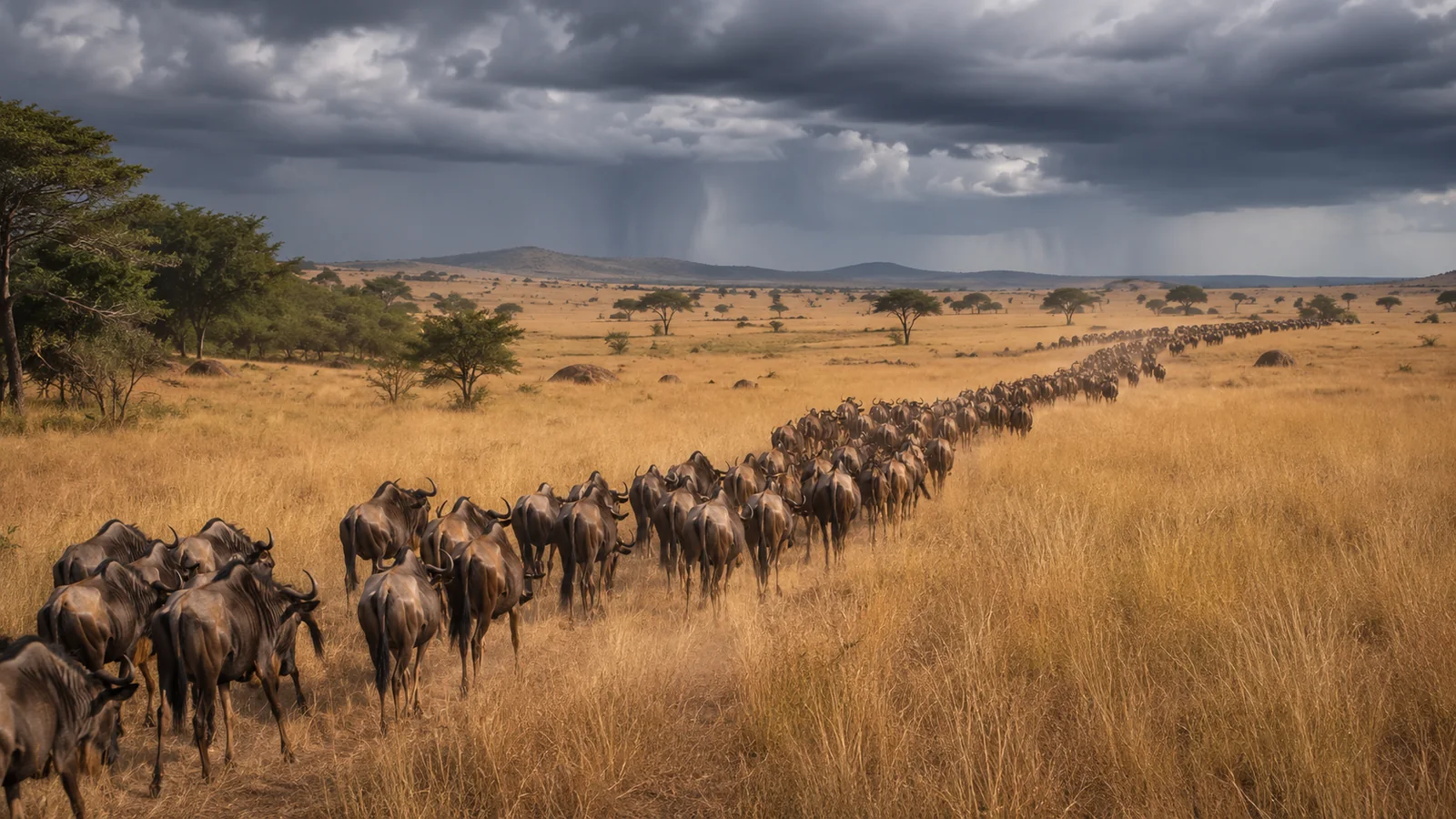
As the southern plains dry, the herds begin moving northwest in immense, slow-moving columns. By May the migration threads through the Serengeti’s Western Corridor, and by late June the first animals reach the Grumeti River.
The Grumeti crossings are smaller and less publicized than those on the Mara River, but they carry their own intensity — narrower channels, large Nile crocodiles and far fewer vehicles. In addition, the shoulder season means lower rates and better availability at the region’s finest camps.
April itself is the wettest month and some camps close. Therefore, the practical window here runs from May to late June: the herds are on the move, the rains ease, and the western Serengeti comes alive with predators following the columns north.
July to October: The Mara River Crossings
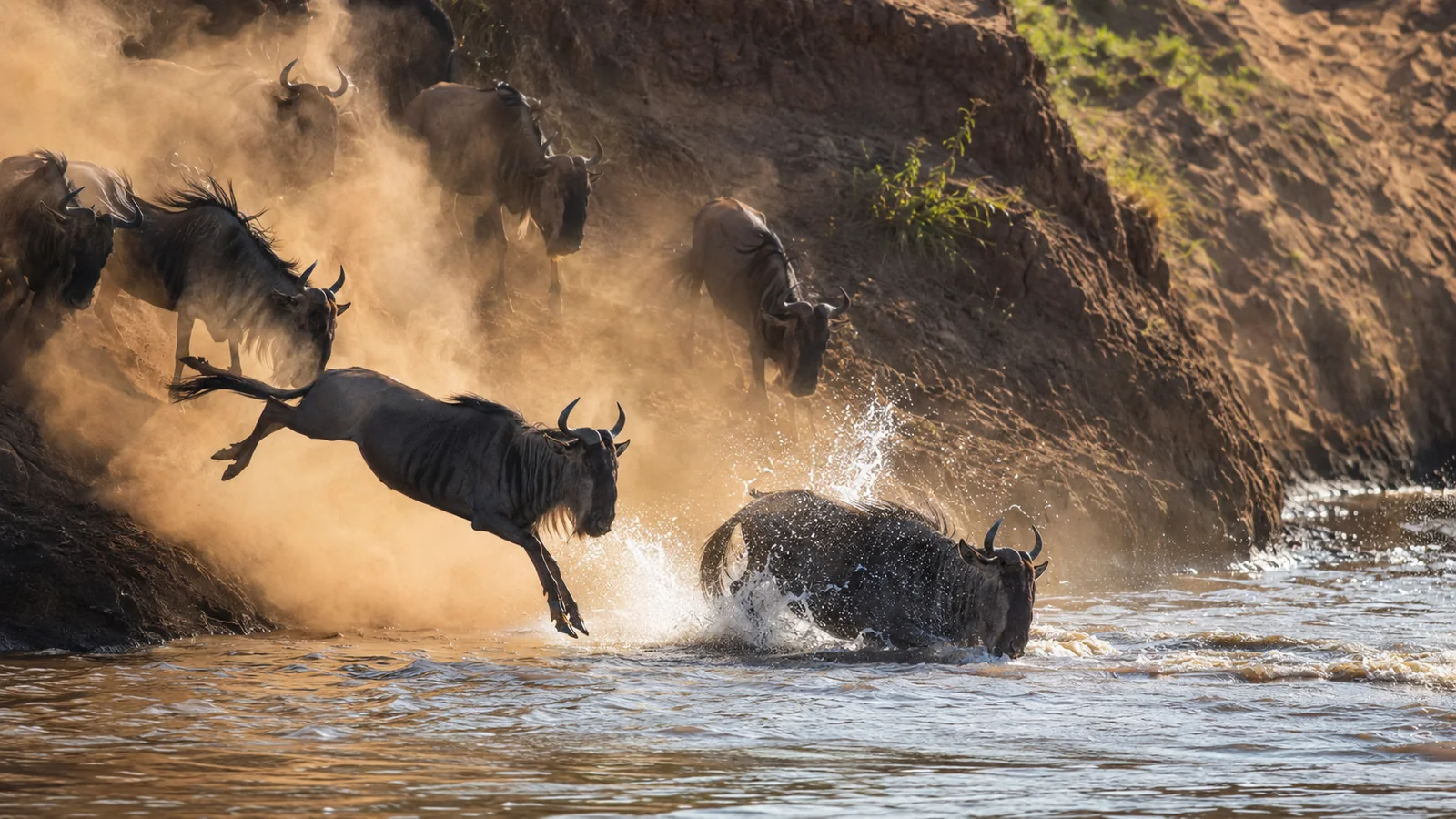
This is the headline season — the stage most travelers picture when they think of the Great Migration. From July onward, the herds push into the northern Serengeti and across the border into the Masai Mara, and the Mara River crossings begin.
The crossings themselves can never be guaranteed. Herds may wait on the banks for days, then surge across four times in an afternoon. As a result, we recommend a minimum of three nights in the right zone to load the odds rather than chase a single perfect morning. Patience and positioning matter more than timing down to the day.
August and September are typically the most reliable months for crossings. By October the herds begin filtering south again, and the return crossings — often quieter and equally photogenic — mark the season’s close. Meanwhile, demand is at its peak. The finest camps along the Mara River and in the northern Serengeti book out twelve months ahead for this window.
November and December: The Return South
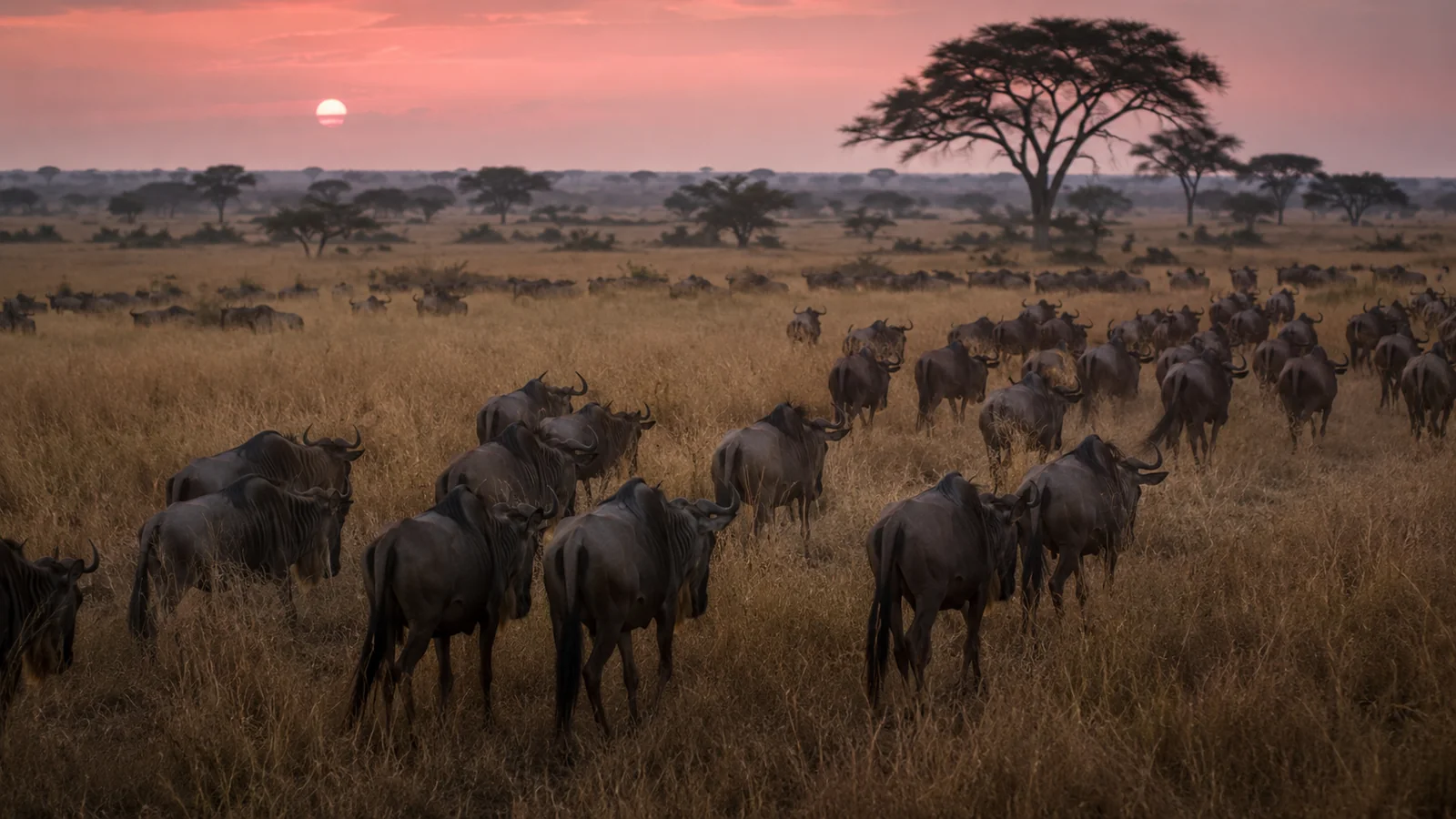
The short rains of November trigger the return. The herds turn south through the eastern Serengeti, drawn by the fresh growth on the plains below. December sees them filtering back toward Ndutu and the Ngorongoro highlands, closing the loop.
This period is among the least visited of the entire cycle. In contrast to the crowded crossing months, the return migration offers wide-open plains, superb birdlife and a sense of space that the peak season rarely allows. For returning travelers who already know the crossings, it offers a different and deeply rewarding perspective on the Great Migration.
By late December the calving begins again, and the cycle restarts. There is no true beginning or end — only a continuous rhythm that rewards those who understand its calendar.
Serengeti or Masai Mara: Choosing Your Side
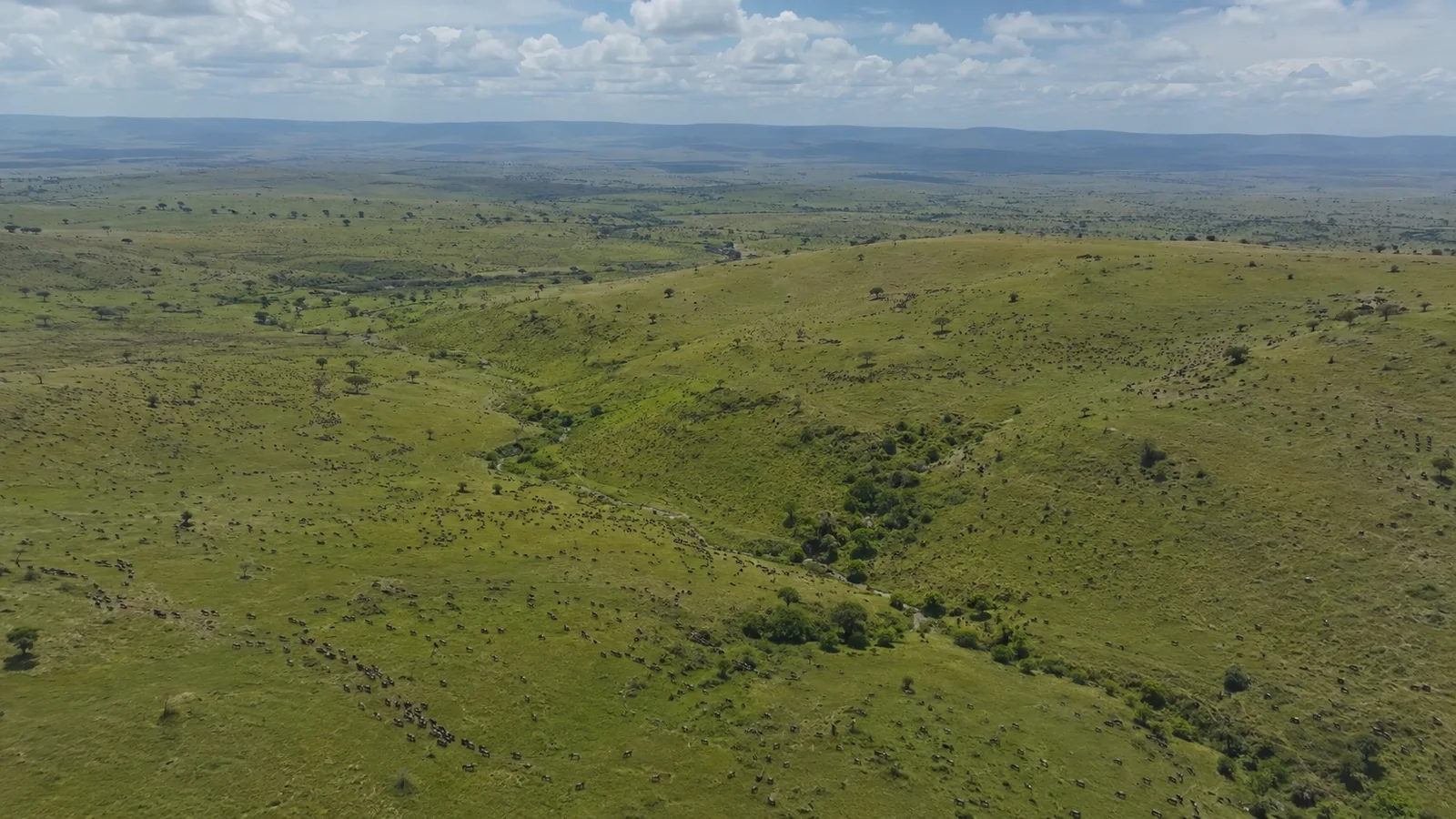
The Great Migration spans two countries, and choosing between Tanzania‘s Serengeti and Kenya‘s Masai Mara is often the first decision a traveler needs to make.
The Serengeti is the larger stage. The herds spend roughly nine months of the year on the Tanzanian side, and the calving, the western corridor crossings and the return all unfold here. For travelers who want the full arc of the migration beyond the headline crossings, the Serengeti offers more variety and a longer window.
The Masai Mara, by contrast, concentrates the drama into a shorter window — roughly July to October — but adds the advantage of private conservancies with capped vehicles, off-road driving and walking safaris. Next, the Mara’s proximity to Kenya‘s coast makes it straightforward to add a beach extension after the safari.
Therefore, the choice often comes down to timing. If the trip falls between January and June, the Serengeti is the only option. For July to October, both sides deliver — and the decision is whether you prefer the Serengeti’s scale or the Mara’s exclusivity. At Escape Xperts, we match the month, the camp and the country to each traveler’s priorities, so the Great Migration becomes a matter of design rather than chance.
Two million hooves, two countries, and the oldest journey on earth
Signature Experiences
- Dawn vigil at a Mara River crossing point as the herds gather
- Calving-season game drive on the Ndutu plains
- Grumeti River crossing with fewer vehicles than the Mara
- Hot-air balloon flight over the Serengeti at sunrise
- Night drive in a private Masai Mara conservancy
- Walking safari alongside the migration columns
- Predator tracking during the February calving peak
- Fly-in transfer between the Serengeti and the Mara
- Sundowners above the Ngorongoro Crater rim
- Photography hide at a river crossing point
Ready for Something Extraordinary?
The Great Migration rewards precise positioning more than almost any other wildlife event on earth. At Escape Xperts, we design migration safaris around seamless logistics, the right camps in the right zones and curated access to the crossings — aligning the calendar, the country and the experience into one considered journey.
Why Travel for the Great Migration with Escape Xperts
The Great Migration is the largest wildlife movement on earth — two million animals crossing the Serengeti and the Masai Mara in a cycle that has no beginning and no end. At Escape Xperts, we resolve the question of when and where by matching the month, the zone and the camp to each traveler, turning the Great Migration from a hopeful gamble into a carefully designed journey. For destination information, see https://whc.unesco.org/en/list/156