Key decisions: Region · Country · Season · Duration · Concession vs. national park
Best for first-timers: South Africa · Kenya · Tanzania
Ideal duration: 7 to 12 nights including transfers and a beach or city extension
Planning Your First African Safari: A Complete Guide
A first time safari can feel overwhelming — dozens of countries, hundreds of parks, thousands of lodges, and a vocabulary of concessions, fly-ins and green seasons that most travelers encounter for the first time. The reality is simpler than it looks. Planning an african safari comes down to five decisions, made in the right order, and each one narrows the field until the itinerary designs itself.
At EscapeXperts, we guide first-time safari travelers through these decisions every week. This guide follows the same sequence we use: region, country, season, duration and lodge — the framework that turns an ambition into a booking.
Decision One: East Africa or Southern Africa?
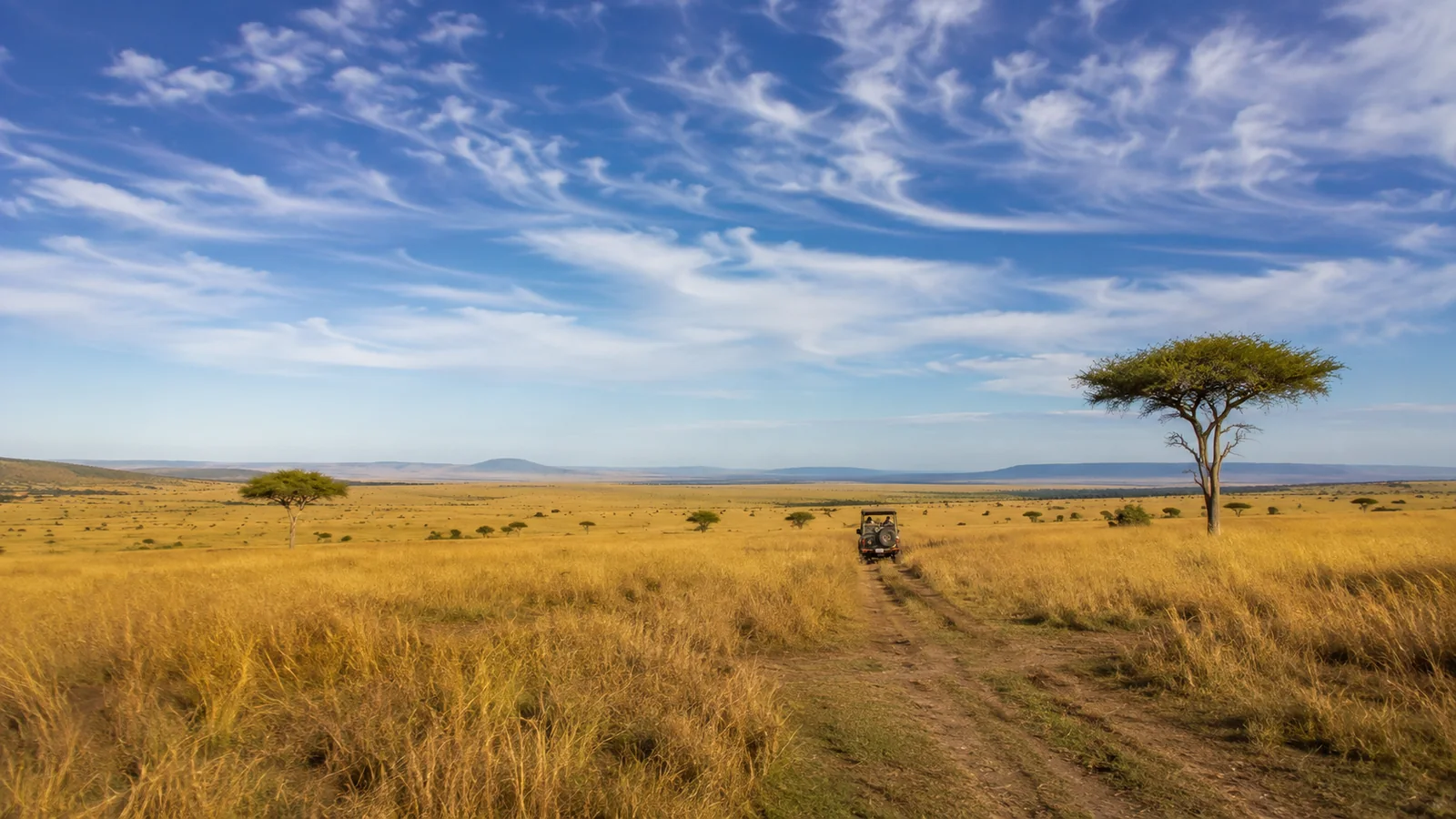
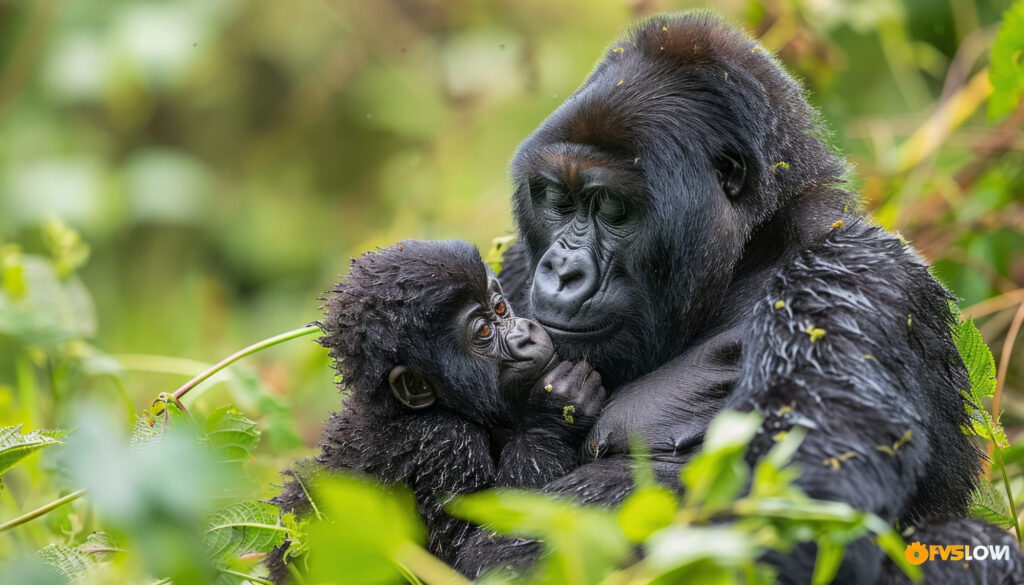
The first fork in the road is regional. East Africa — Kenya, Tanzania, Rwanda, Uganda — delivers the Great Migration, the open plains, the Ngorongoro Crater and mountain gorilla trekking. Southern Africa — South Africa, Botswana, Namibia, Zimbabwe, Zambia — delivers the Okavango Delta, the best leopard sightings in Africa, self-drive flexibility and malaria-free options for families.
For a first time safari, Southern Africa is often the easier entry point — particularly South Africa, where the infrastructure is strong, internal flights are short, malaria-free reserves exist, and the combination of bush, coast and wine country makes a well-rounded trip. East Africa is the choice when the traveler’s priority is the Migration, the gorillas or the cultural depth of the Maasai.
Because of this, the regional decision should be made first. It shapes everything that follows — the budget, the logistics, the visa requirements and the style of travel.
Decision Two: When to Go
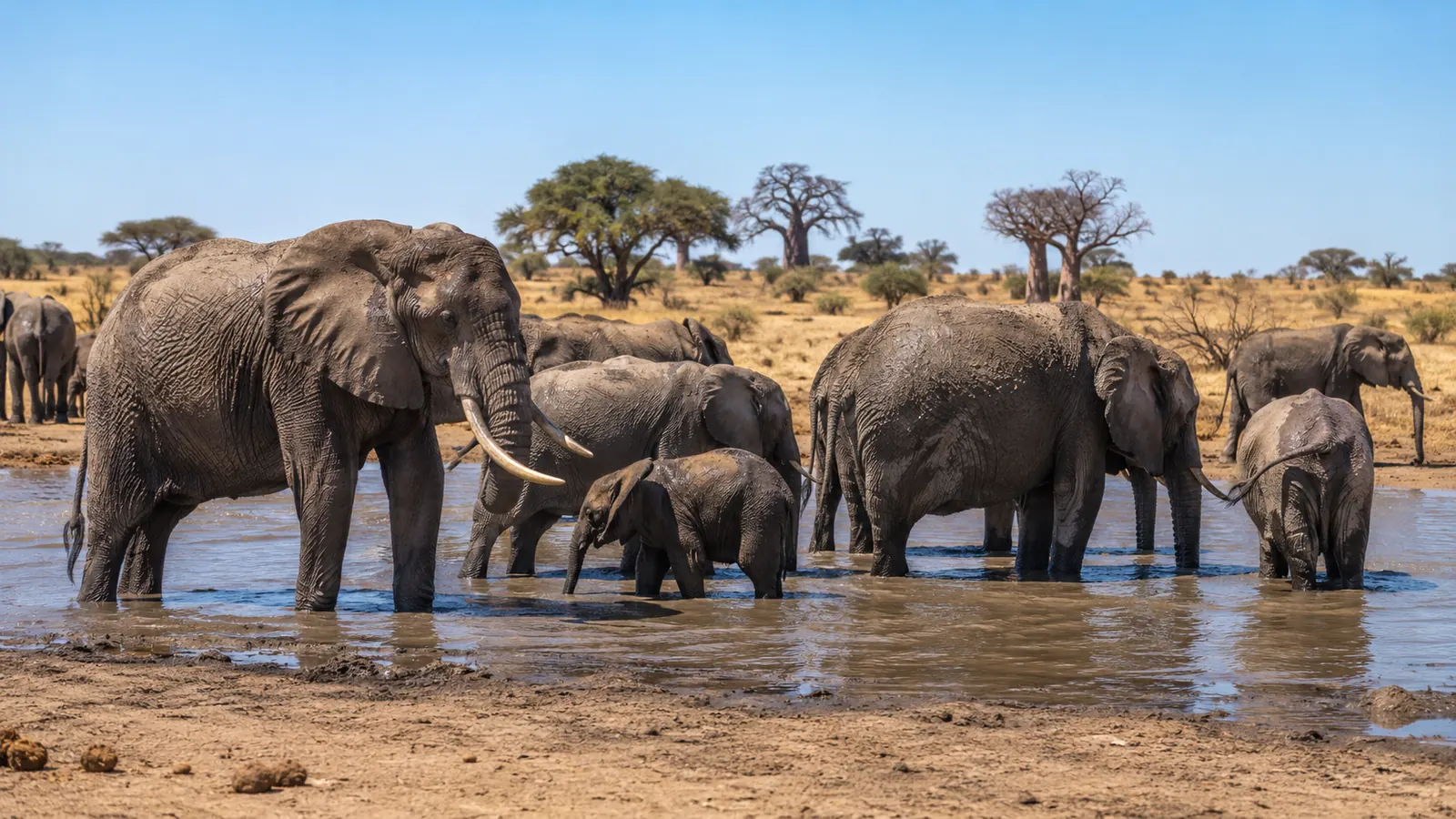
The dry season — May to October across most of Africa — is the safest choice for a first safari. Vegetation is thinner, animals concentrate at water, and game viewing is at its most reliable. The green season (November to April) offers lower rates, dramatic skies and newborn wildlife, but the bush is thicker and the animals more dispersed.
For a first time safari, the dry season removes uncertainty. The Big Five are easier to find, the roads are more navigable, and the weather is consistently comfortable. The green season is a rewarding option for returning travelers who know what to expect.
In addition, specific events have their own windows: the Mara River crossings peak in July to October, the Serengeti calving season peaks in January to March, and the Okavango Delta’s flood season runs from June to August. Therefore, if the traveler has a specific experience in mind, the timing should follow the event.
Decision Three: How Long and How to Structure
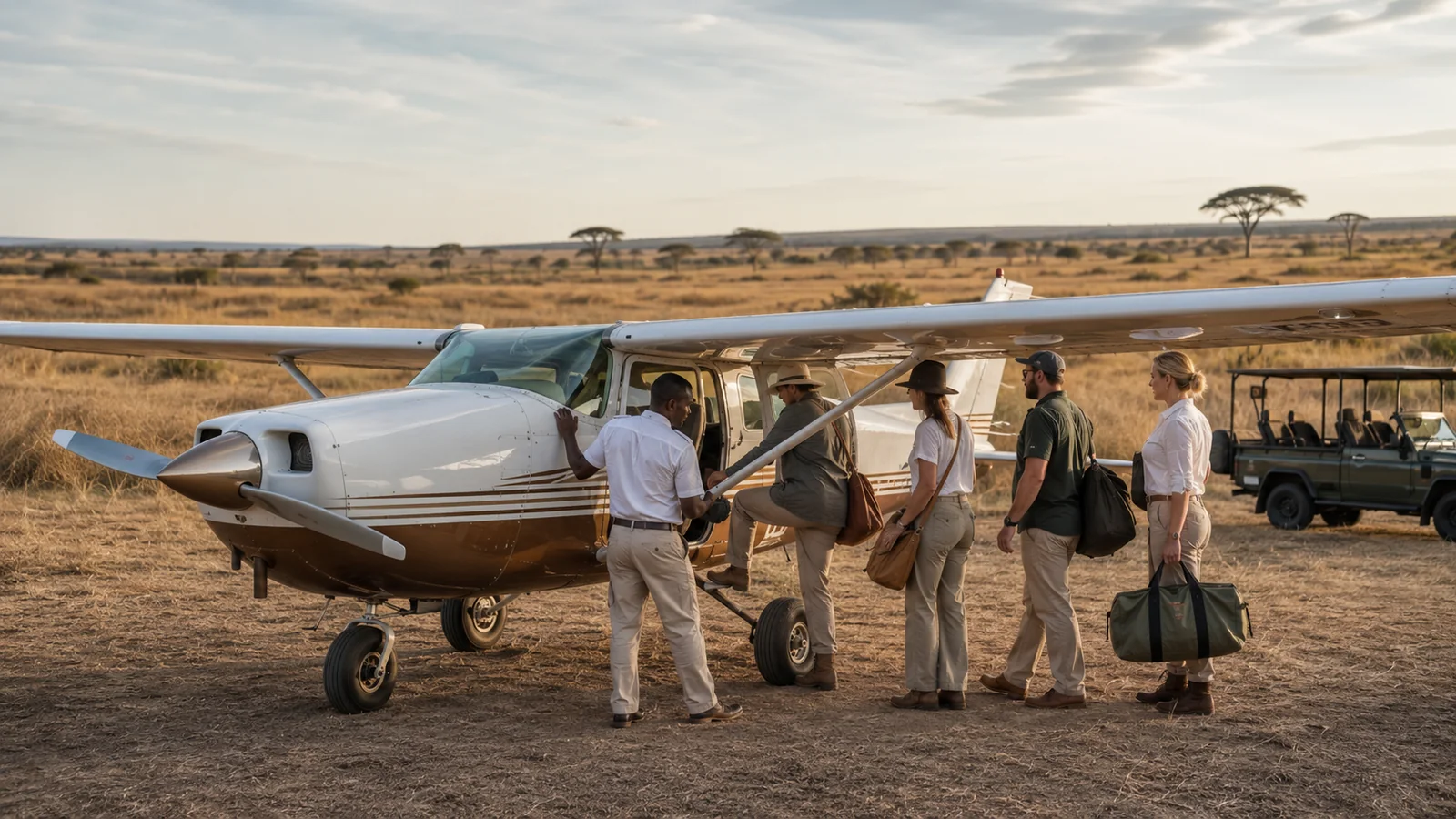
A first safari typically works best at seven to twelve nights total, including transfers and any extensions. The safari portion itself — the nights in the bush — should be four to six nights, ideally split across two camps in different ecosystems. Two or three nights per camp is the sweet spot: enough to settle in, complete the game drives and feel the rhythm of the bush without fatigue.
The structure depends on the region. In East Africa, most safaris are fly-in — light aircraft between camps, with luggage limits and grass-strip landings that become part of the adventure. In Southern Africa, self-drive is an option in South Africa and Namibia, while Botswana’s Delta requires fly-in transfers.
Meanwhile, adding a non-safari extension — Cape Town, Zanzibar, the Indian Ocean coast, Victoria Falls — gives the trip a second pace and prevents bush fatigue. The classic combination is four nights on safari plus three to four nights on the coast or in a city.
Decision Four: National Park or Private Concession
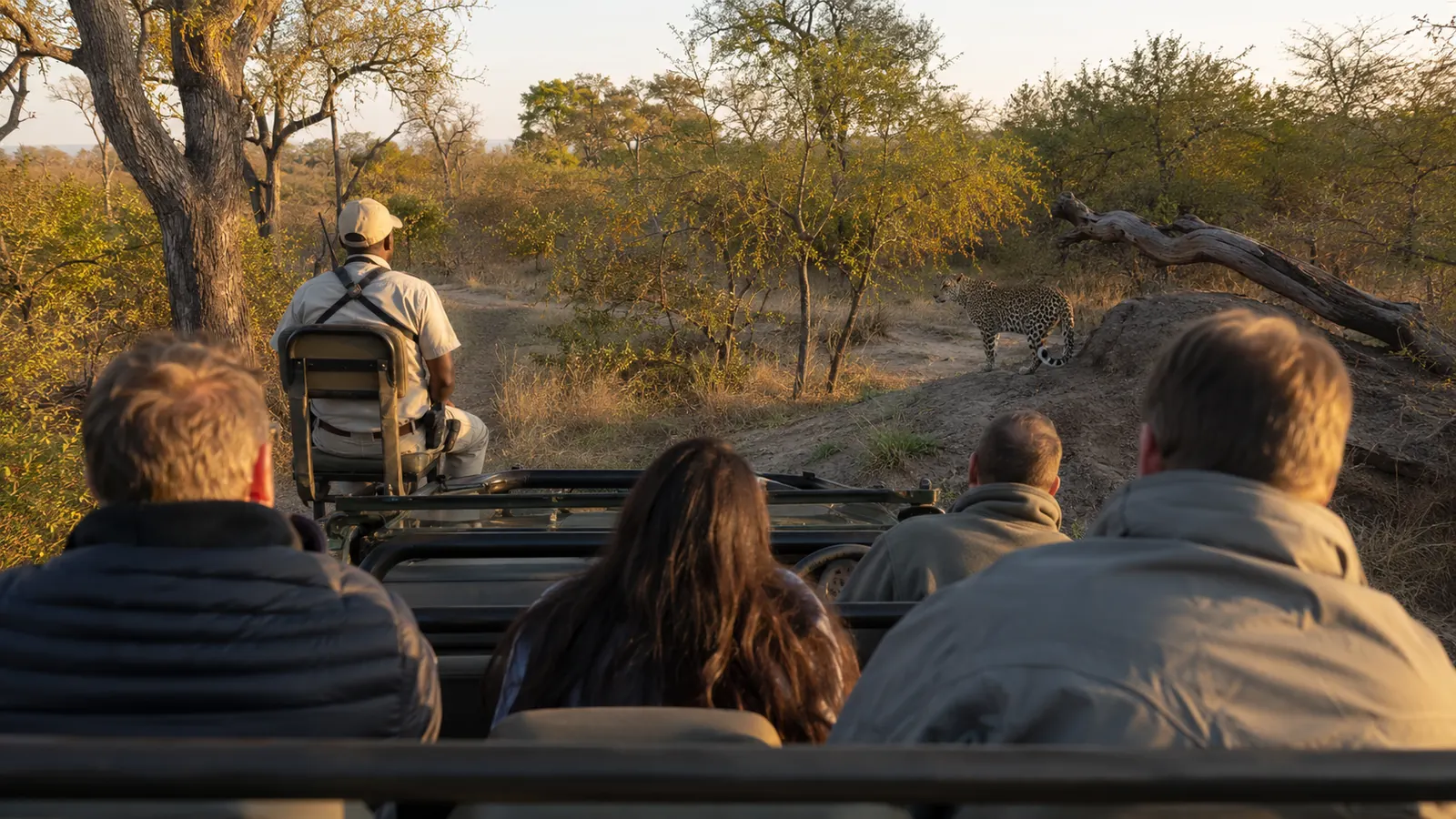
This is the decision that most first-time travelers do not know to make — and it is one of the most important. A private concession is a large tract of land (often bordering a national park) with exclusive access for a limited number of lodges. The benefits are significant: off-road driving, night drives, walking safaris, fewer vehicles and a sense of exclusivity that the public parks cannot match.
A national park offers the same wildlife at a lower cost, but the roads are shared with every other operator, off-road driving is prohibited, and night drives are not permitted. For a first-time traveler, the private concession delivers a more immersive and personal experience — and the quality of the guiding is typically higher.
As a result, the safari planning guide recommendation for a first trip is clear: budget for a private concession if possible. The difference in experience is disproportionate to the difference in price.
Decision Five: Budget and What It Buys
Safari costs vary enormously. A self-drive trip through Kruger National Park can work at a mid-range budget. A fly-in safari across two private concessions in Botswana operates at the top of the luxury range. The difference is not just comfort — it is access, guiding quality, exclusivity and the depth of the wildlife encounter.
For a first time safari, the most important budget allocation is not the thread count of the sheets — it is the concession the lodge sits on and the quality of the guide driving the vehicle. A well-located lodge with excellent guiding on a private concession will outperform a more luxurious property on a busy public road.
Therefore, when planning an african safari for the first time, the priorities should be: concession first, guiding second, comfort third. At EscapeXperts, we balance all three — matching the budget to the lodges that deliver the best wildlife experience per dollar, and building the itinerary around the decisions that matter most.
Five decisions, made in order — region, season, duration, concession, budget — and the safari designs itself
Signature Experiences
- First time safari on a private concession with dedicated guide
- Big Five game drive at dawn in the Sabi Sands or the Mara
- Fly-in transfer over the Serengeti or the Okavango Delta
- Sundowner drinks overlooking the African bush
- Walking safari with an armed ranger
- Night drive for nocturnal predators
- Bush breakfast served at a scenic overlook
- Beach or city extension after the safari
- Conservation briefing at the lodge
- Star-gazing session under unpolluted African skies
Explore more Africa journeys: EscapeXperts curates luxury Africa safaris and journeys across the region. To shape the next itinerary, plan a private safari with EscapeXperts.
Ready to Begin the Journey?
Your first African safari is one of the great travel milestones — the wildlife, the landscape and the sense of discovery that comes from being in the bush for the first time. At EscapeXperts, we take the complexity out of the planning and design a first safari that gets every decision right, from the region to the lodge to the season.
Why Plan Your First Safari with EscapeXperts
Planning an african safari for the first time means making five decisions in the right order — and getting each one right. At EscapeXperts, we guide first-time travelers from region to country to season to lodge, matching the concession, the guide and the itinerary to the traveler’s priorities and budget. The result is a first time safari that sets the standard for everything that follows. For destination information, see https://magicalkenya.com/