Best months: May, June, September and October
Quietest months: November to March, outside the Christmas weeks
Regions covered: Italian Lakes · Tuscany & Umbria · Amalfi Coast · Sicily · Venice · Puglia
Book by: Nine to twelve months ahead for peak coastal stays
Best Time to Visit Italy: A Month-by-Month Guide by Region
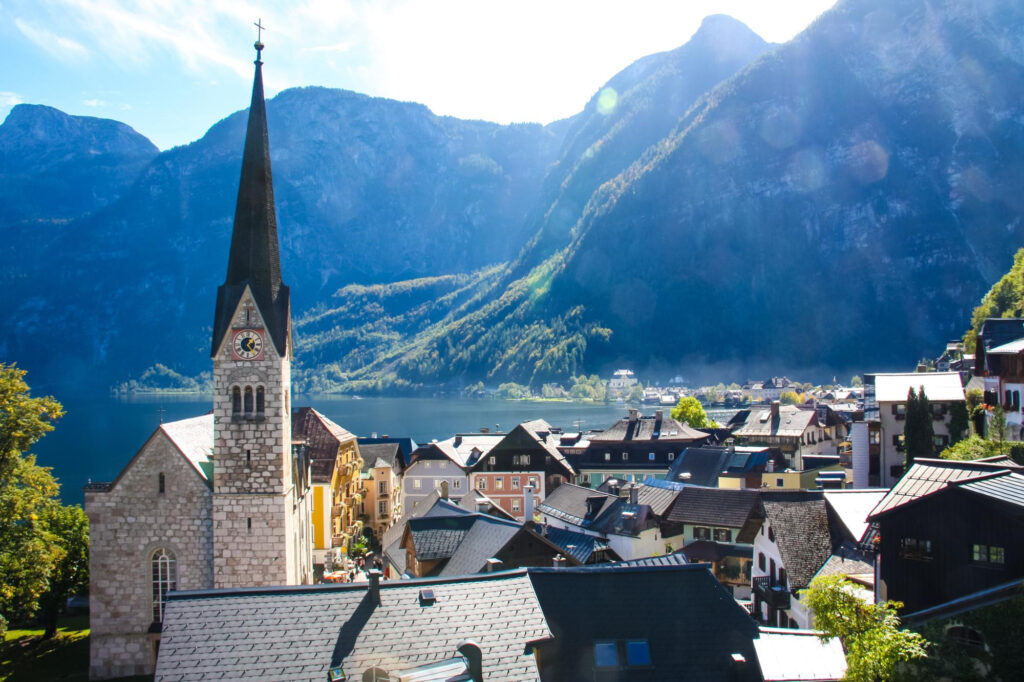
The best time to visit Italy is not one month but several, because the country runs on at least four different calendars. The Lakes peak in late spring, Tuscany in early autumn, the Amalfi Coast in the shoulder weeks either side of summer, and Sicily well into October. Choosing by region rather than by country is what separates a good trip from a crowded one.
At Escape Xperts, we plan Italy by latitude and by altitude. The same traveler who wants warm water in the south and cool mornings in the north cannot have both in the same week, and the itinerary should say so before the flights are booked.
How Italy’s Seasons Split by Region
Italy stretches roughly twelve hundred kilometers from the Alps to the Sicilian coast, and the seasonal gap between those two points is close to six weeks. Spring reaches Sicily in March and the Lakes in May. Autumn closes the southern swimming season in late October and the northern one in early September.
Therefore, the useful question is not the best time to visit Italy in general, but which Italy is at its best in the month already blocked out in the calendar. April in Rome is generous and busy. April on the Amalfi Coast is quiet, green and still too cool for the water.
Altitude complicates it further. The Dolomites and the higher Umbrian hill towns hold winter conditions into April and turn cool again by late September, while Puglia and the Sicilian southeast stay swimmable long after the northern lakes have emptied.
In addition, the cultural calendar rarely follows the weather. The Palio di Siena runs in the July heat, the Alba truffle season peaks in the November damp, and both are worth arranging the year around. Because of this, the strongest Italian itineraries anchor on one fixed date and build the rest of the route to suit it.
March to May: The Lakes, Tuscany and the Northern Spring
March is still shoulder in the north. Gardens are closed or half-planted, lake steamers run reduced schedules, and hotel openings are staggered through the month. It is an excellent time for city interiors and a poor one for waterside terraces.
April changes that quickly. By mid-month the gardens at Lake Como are open, the wisteria is out, and the light on the water is at its clearest before the summer haze settles in. Crowds concentrate around Easter and then thin again for two or three quiet weeks.
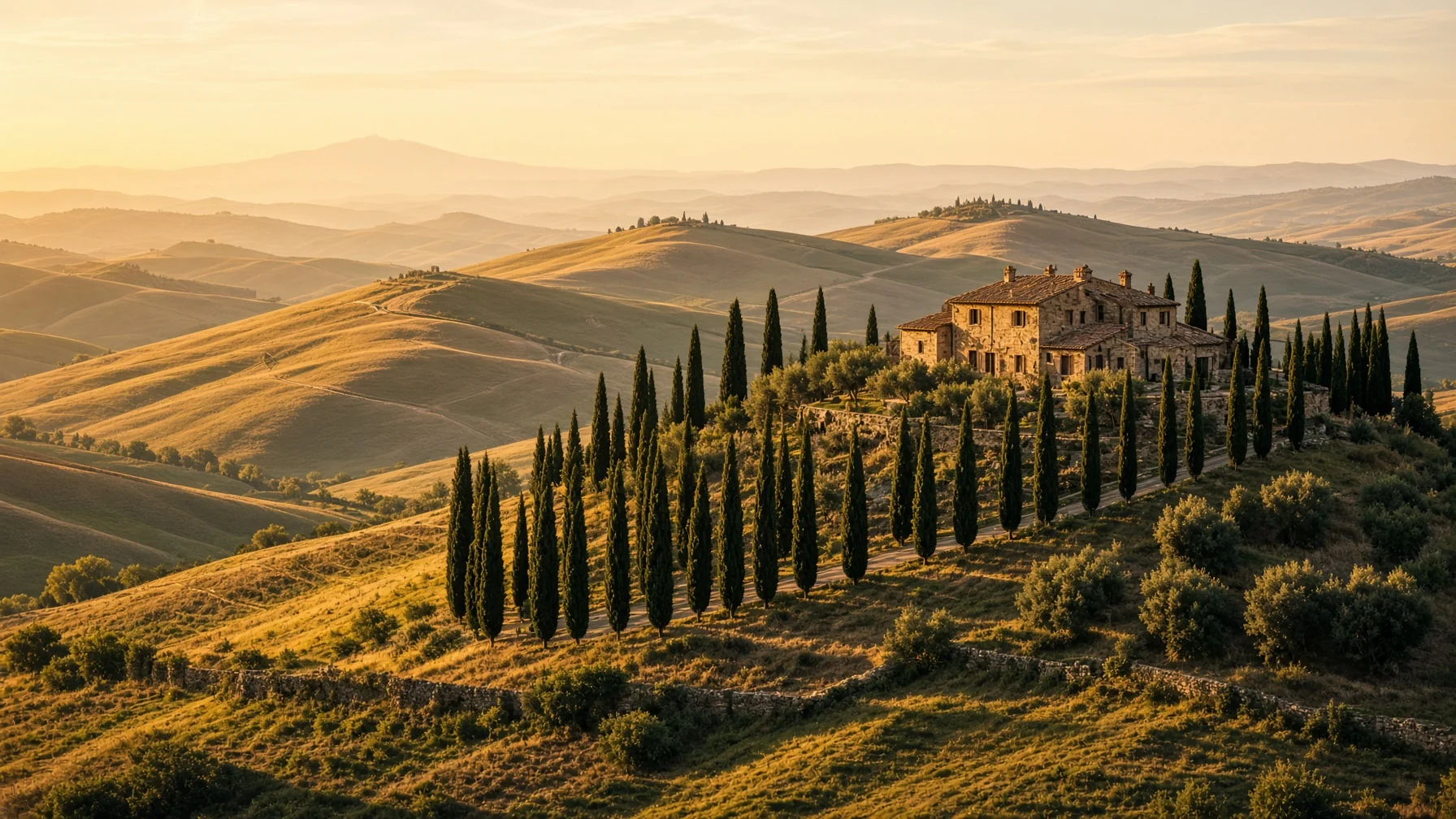
May is the strongest single month in northern Italy, and for the Lakes it is the best time to visit Italy outright. Temperatures sit in the comfortable low twenties, the lake villas are fully open, and Tuscany is green rather than gold. Properties such as Four Seasons Firenze hold their courtyard gardens at their best in May, before the Florentine summer arrives in earnest.
Meanwhile, Venice in April and May is at its most workable. The acqua alta season has passed, the humidity has not yet arrived, and an early morning at the Basilica is genuinely quiet. Aman Venice and the other palazzo properties along the Grand Canal fill first for these weeks, which is why the northern spring needs the longest booking lead of the year.
June to August: The Coast, the Islands and the Southern Summer
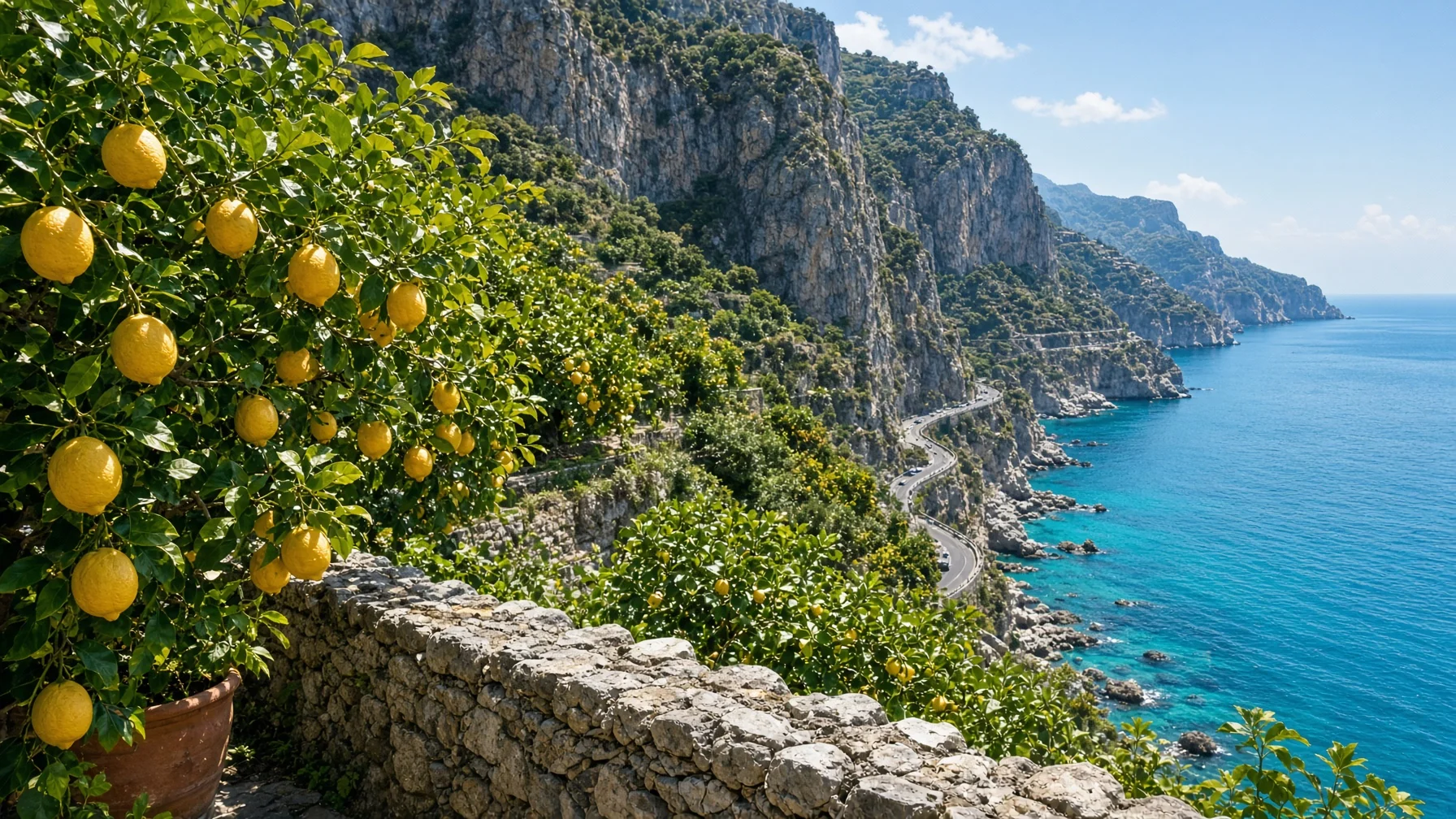
June is the last comfortable month for combining cities and coastline. The sea has warmed, the schools have not yet released, and the Amalfi Coast is busy without being saturated. Belmond Hotel Caruso in Ravello holds its clifftop position at its best in June light.
July and August invert the rules. The interior cities become uncomfortable through the afternoon, the coastal roads slow to a crawl, and Italian holidaymakers add their own peak in the weeks around Ferragosto in mid-August. Museums stay open, but the pleasure of walking a city between them largely disappears.
As a result, the summer months belong to the islands and the water. Sicily, Puglia and the smaller Aeolian and Egadi islands absorb heat better than the mainland cities, because the sea moderates the evenings and the architecture was built for it.
Next, the summer cultural calendar rewards travelers who plan around it. The Palio di Siena runs on 2 July and 16 August, the Verona opera season fills the Roman arena through both months, and the Sicilian Greek theaters stage evening performances that make the heat irrelevant.
September to October: The Traveler’s Window
For travelers who can move outside the school calendar, September is the best time to visit Italy as a whole country, and the reasons stack up quickly. The sea is at its warmest after a full summer of heating, the light lengthens and softens, and the domestic holiday crowds disappear almost overnight in the first week.
In Tuscany, September and early October are the harvest weeks. The vineyards work, the hill towns hold their food festivals, and the landscape moves from green to the gold that most visitors picture before arriving. Umbria follows the same rhythm about a week later.
In contrast, the coastline stays open longer than most itineraries assume. The Amalfi Coast swims comfortably through early October, and Sicily holds warm water and open beach clubs until the end of the month, well after the northern lakes have closed their gardens.
October is also the quietest good month for Rome and Venice. Daytime temperatures suit walking, the queues at the major sites shorten noticeably after the first week, and the evening light on the Roman travertine is at its warmest of the year. For heritage context across the country, see https://whc.unesco.org/en/statesparties/it
November to February: Quiet Cities, Truffles and Mountain Air
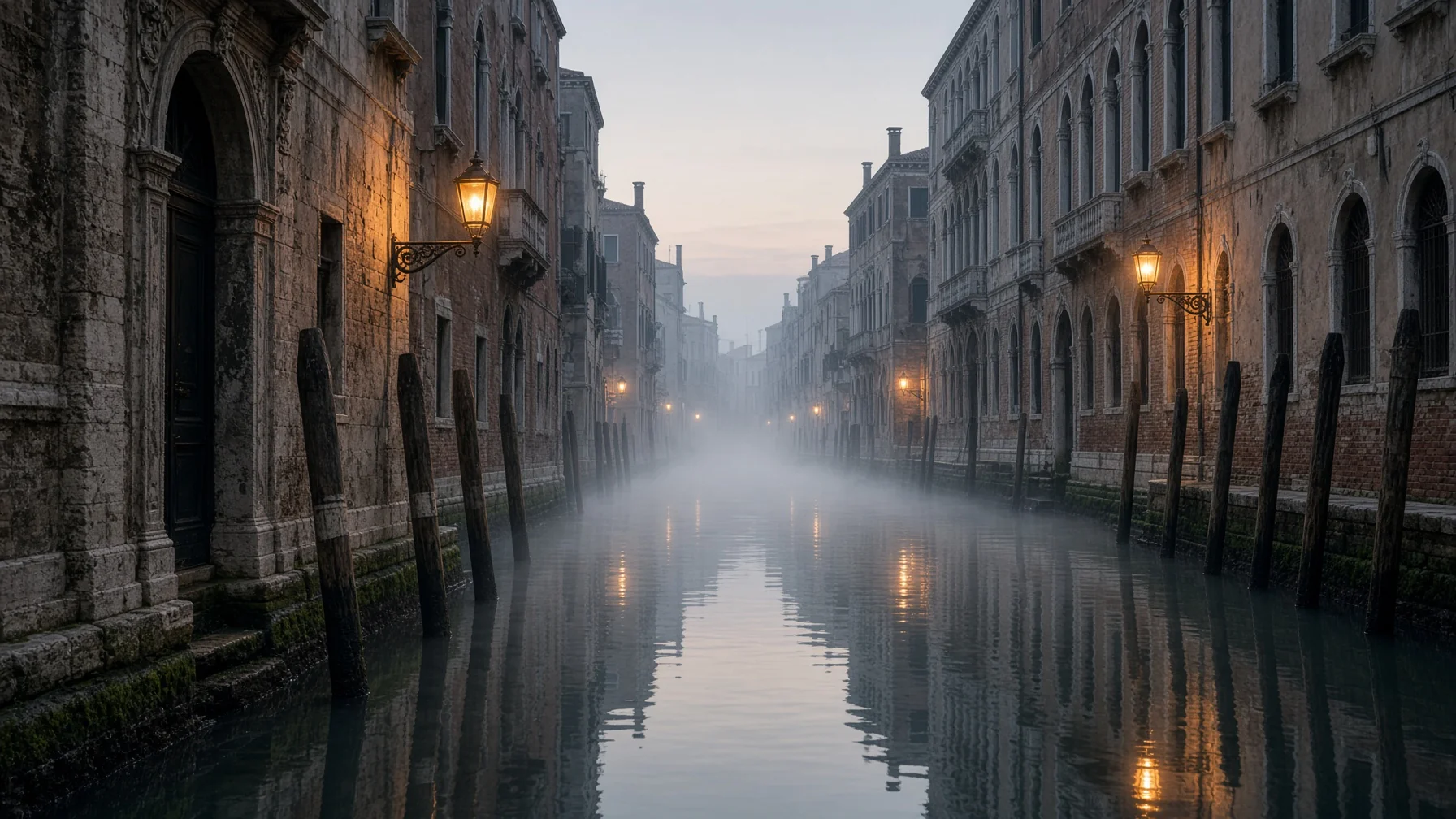
November rarely appears in any list of the best time to visit Italy, which is precisely its value. It is the low point for weather and the high point for access. The rain arrives in the north, the coastal towns close, and the cities return to their residents. It is the only month in which the major museums can be walked at an unhurried pace.
It is also the heart of the Alba truffle season in Piedmont, which runs from October into December and turns a quiet corner of the northwest into the most interesting table in Europe. Because of this, November suits travelers whose priority is food and interiors rather than coastline.
December through February divides sharply. The Christmas and New Year weeks are busy and expensive across the cities and the Dolomites. Meanwhile, mid-January and February are the emptiest weeks of the Italian year, with Venice Carnival the single exception.
Finally, timing determines what can actually be secured. The lake villas, the palazzo suites in Venice and the clifftop rooms on the Amalfi Coast should be held nine to twelve months ahead for May, June and September. Shoulder months can be arranged in four to six, and the winter cities in two. Knowing the best time to visit Italy matters little if the room that defines the trip is already gone.
One country, four calendars, and a month that belongs to each region
Signature Experiences
- Private garden opening at a Lake Como villa in May
- Harvest week in Tuscany with a working estate
- Dawn access to the Basilica in Venice before the crowds
- Ravello terrace evenings at Belmond Hotel Caruso
- Greek theater performance in Sicily under summer stars
- Truffle hunt in Piedmont during the Alba truffle season
- Contrada dinner in the week of the Palio di Siena
- October coastline swimming in Puglia after the crowds
- Winter museum mornings in Rome with private entry
- Grand Canal arrival by water at Aman Venice
- Courtyard breakfasts at Four Seasons Firenze in spring
Ready to Begin the Journey?
The best month for Italy depends entirely on which Italy is in question. At Escape Xperts, we build the year around the region, combining seamless logistics, private access and curated exploration so that the timing works as hard as the route.
Why Time Your Italian Journey with Escape Xperts
The best time to visit Italy is a regional question, not a national one, and the answer changes with every six hundred kilometers of coastline. At Escape Xperts, we read the Italian calendar region by region and match the month to the traveler, so that the light, the water and the room are all at their best on the same week.