Suggested stay: 7 nights on one base
Best months: May to June · September to early November
Country: Italy
Zones: Chianti Classico · Val d’Orcia · Maremma coast
Tuscany Luxury Travel as a Country Week, Not a Stop Between Cities
Most itineraries treat the region as a pause between Rome and Venice. Genuine tuscany luxury travel works the other way around: one house, one valley and a week that moves at the speed of the countryside. The region is large, and choosing the valley matters more than choosing the sights.
At Escape Xperts, we plan Tuscany by zone rather than by list. Chianti Classico, the Val d’Orcia and the Maremma coast are three genuinely different weeks, and each suits a different kind of household.
Chianti Classico: The Classic Middle and the Shortest Drives
Chianti Classico occupies the hills between Florence and Siena, and its advantage is geometry. Almost everything worth reaching sits within forty minutes, which matters enormously when traveling with children or with a group of mixed energy.
The landscape here is wooded rather than open. Oak and chestnut cover the ridges, the vineyards sit in cleared pockets, and the villages are compact stone settlements built along the ridgelines rather than the valley floors.
That density is what makes tuscany luxury travel practical for a group with different appetites. One half of the household can spend the morning in a cellar while the other stays at the pool, and both are back at the same table by one o’clock without anyone having driven for an hour.
Because of this, Chianti suits the first serious visit. Siena is a half-hour away, San Gimignano a little further, and the estates that produce Sangiovese under the Gallo Nero seal open their cellars without ceremony. Castello di Casole anchors the southern edge with a large estate that works well for families needing space and structure at the same time.
Therefore, for travelers whose priority is short transfers and a base everyone can leave and return to independently, Chianti is the most forgiving choice in tuscany luxury travel.
Val d’Orcia: The Landscape Everyone Pictures
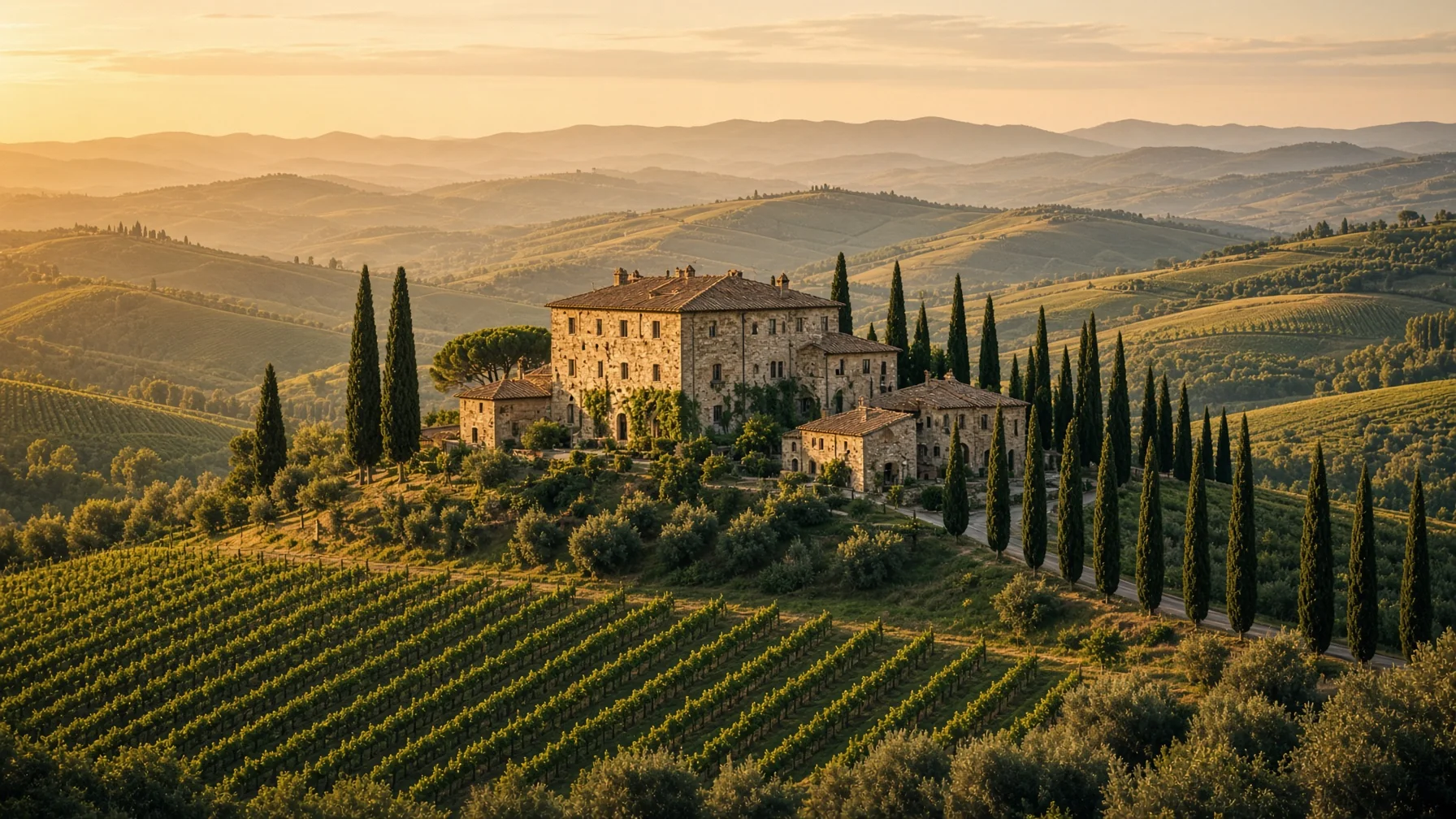
South of Siena, the woodland stops and the land opens. The Val d’Orcia is the Tuscany of the photographs: bare clay ridges, solitary cypresses, farmhouses placed on hilltops with nothing around them.
It is also emptier and further from everything. Drives run longer, restaurants are more scattered, and the nearest airport is a serious distance away. In exchange, the light and the silence are of a different order.
This is Brunello country. Montalcino sits on a hill above its vineyards producing the region’s most serious wine, and Montepulciano faces it across the valley with a denser, more urban character. Rosewood Castiglion del Bosco holds a working estate inside the UNESCO landscape, and Borgo Santo Pietro sits north of it with gardens and a farm that supply its own kitchen.
Meanwhile, the valley suits households that intend to stay put. Days built around the estate, the pool and one outing tend to work better here than any attempt at touring. For landscape context, see https://whc.unesco.org/en/list/1026/
The Maremma: Tuscany With a Coastline
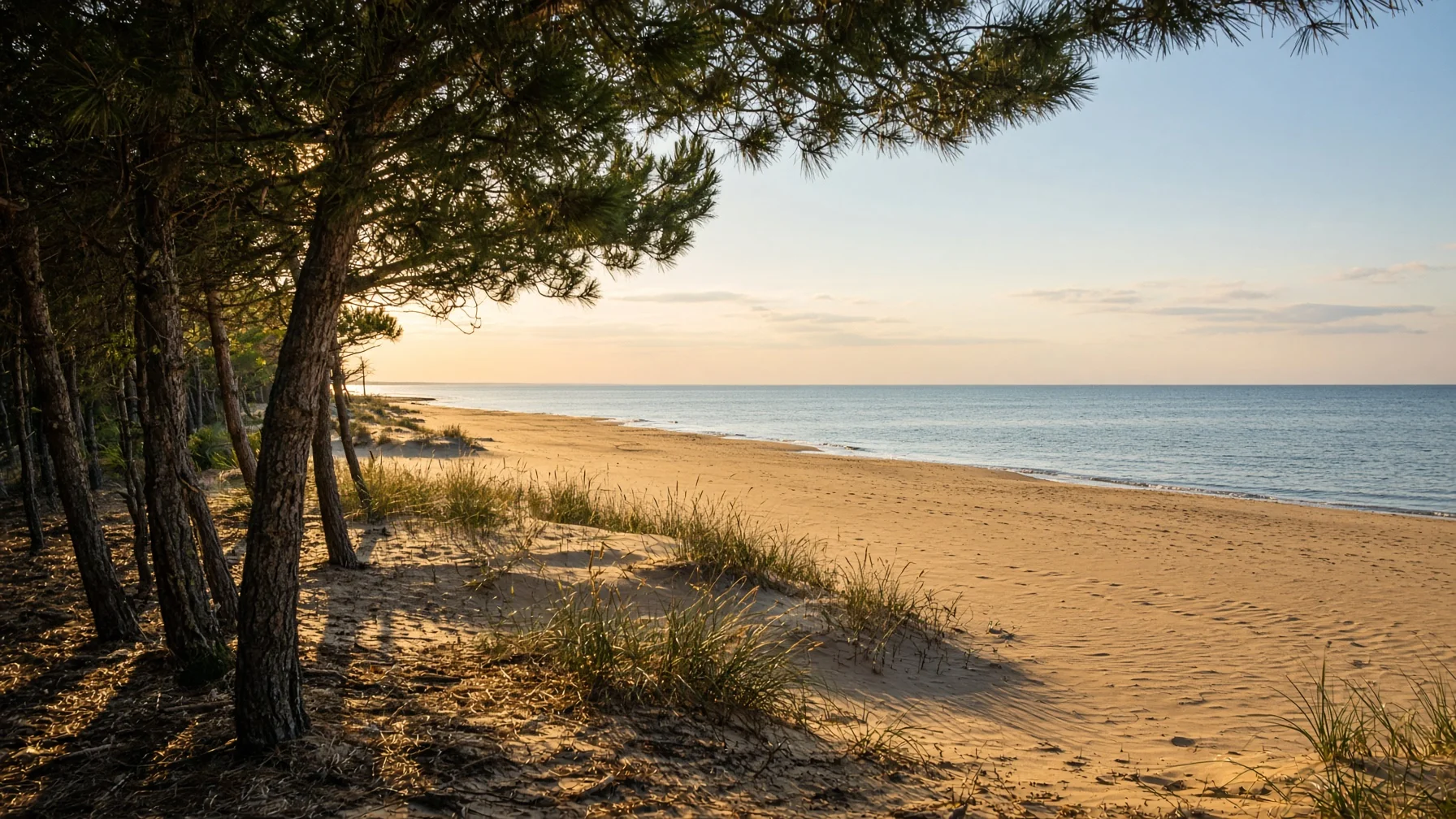
The southwestern corner of the region is the part most visitors never reach. The Maremma runs from the Etruscan hill towns down to a coastline of umbrella pines, long sand beaches and a rural interior of horses and cattle.
Its value is combination. A week here delivers countryside mornings and afternoon swimming without a transfer between two bases, which resolves the standard family compromise between hill towns and a beach.
Next, the food changes character. The interior cooks wild boar and game, the coast works with fish, and the Etruscan sites at Pitigliano and Sovana add a layer of history entirely absent from the classic circuit.
The Etruscan towns themselves are the region’s quiet surprise. Pitigliano stands on a tufa outcrop with houses grown out of the rock, and the sunken vie cave carved between the settlements are walkable corridors cut meters deep into stone by hands that predate Rome.
In contrast, the Maremma has fewer landmark properties and a more agricultural feel. Travelers expecting the polished estate density of Chianti will find something rougher and, for many households, considerably more relaxed.
Villa With Staff or Country Hotel: The Real Difference
The choice between a private villa and a country hotel is the second decision of the week, and it is frequently made on the wrong grounds. Both can be excellent, but they solve different problems.
A staffed villa provides a house, a cook, a housekeeper and usually a driver arranged separately. Meals happen when the household decides, the kitchen adapts to children and dietary needs without negotiation, and the property is entirely private. The trade-off is that everything must be arranged in advance, and there is no reception desk to solve problems at nine in the evening.
A country hotel reverses that. There is a concierge, a spa, a restaurant open every night, and other guests. Nothing needs planning, but nothing bends much either, and family groups end up spread across rooms rather than gathered in a house.
Staffing levels also vary far more than the listings suggest. Some villas include a cook for one meal a day and a housekeeper for mornings only, others carry a full brigade, and the gap between the two versions of the same house is considerable. It is worth confirming exactly which hours are covered before the week is built around them.
As a result, larger groups and longer stays tend toward villas, while shorter stays and travelers who want service without logistics tend toward estates. Much of the value in tuscany luxury travel comes from getting this single choice right.
Timing the Country Year: Harvest, Truffle and the Quiet Weeks
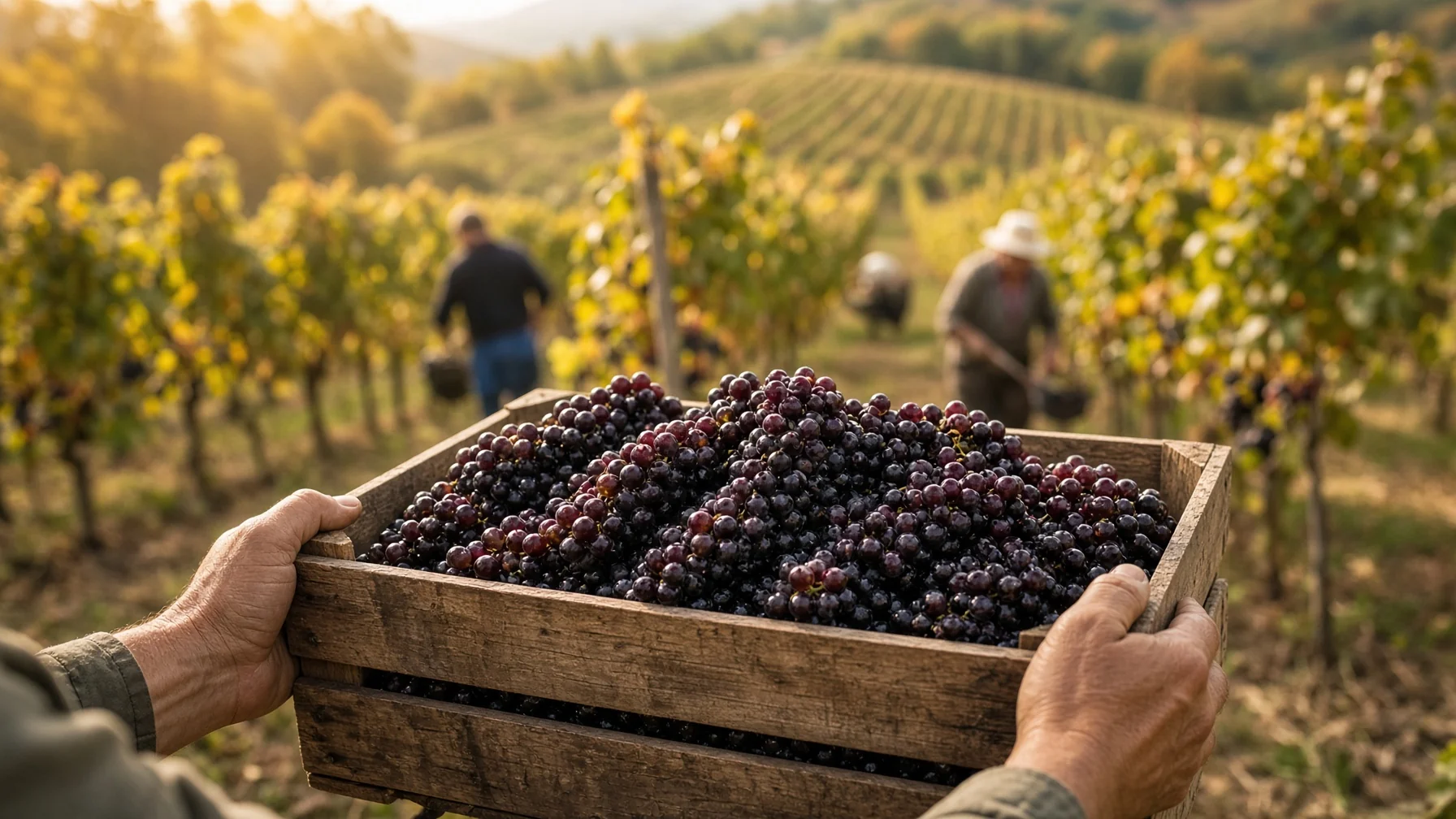
The Tuscan calendar has two events that justify building a trip around them. The grape harvest runs from late August on the coast through September in Chianti and into early October in the higher Val d’Orcia vineyards.
Estates work during those weeks, which changes what a visit means. The cellars are active, the fruit is arriving, and a family can spend a genuinely useful morning on a working property rather than in a tasting room.
In addition, the white truffle season opens in the autumn and runs through the late months around San Miniato, north of the classic zones. Truffle hunting with dogs is the rare countryside activity that holds the attention of adults and children equally.
Finally, the quiet weeks are worth knowing. Late May and the first half of June are green, warm and uncrowded, while July and August fill the pools and the roads. Well-planned tuscany luxury travel avoids the two peak weeks around Ferragosto entirely.
One valley, one house, and a week that never needs to hurry
Signature Experiences
- Harvest morning on a working Chianti Classico estate
- Cellar tasting of Brunello above Montalcino
- Cypress-road drives at dawn across the Val d’Orcia
- Truffle hunt with dogs during the white truffle season
- Private cook and long table dinners at a staffed villa
- Estate riding and farm mornings at Borgo Santo Pietro
- Contrada streets and cathedral in Siena
- Tower climbing in San Gimignano before the coaches
- Etruscan tombs and tufa towns in the Maremma interior
- Pine-forest beach afternoons on the Tuscan coast
- Vineyard lunch at Rosewood Castiglion del Bosco
Let’s Design Your Experience
A Tuscan week works when the valley, the house and the calendar agree. At Escape Xperts, we match the zone to the household and the property to the way the group actually travels, combining seamless logistics, private access and curated exploration.
Why Travel to Tuscany with Escape Xperts
Done properly, tuscany luxury travel is a country week rather than a circuit, and the difference is decided by which valley and which kind of house. At Escape Xperts, we place travelers where the drives are short, the kitchen is theirs and the season is working, so the region delivers depth rather than a checklist.