Warmest sea: Late August into September
Quietest good months: Late May · June · late September · October
Istrian truffle season: October and November at its peak
Regions covered: Dalmatian Coast · Istria · Plitvice · Zagreb
Best Time to Visit Croatia: The Sea Decides, Not the Air
The best time to visit Croatia is late May to June or September to October, and the reason is the water rather than the weather. The Adriatic Sea reaches its annual maximum at the end of August and holds most of that heat through September, when the crowds have gone.
The country also runs on two half-years. The coast peaks in the warm months, while Istria in the northwest peaks in autumn, when the harvest and the truffle season arrive together.
At Escape Xperts, we plan Croatian journeys against the water temperature and the harvest calendar, which is a different exercise from reading a forecast.
The Sea, Month by Month
Air temperature on the Croatian coast is comfortable from May to October. Sea temperature is not, and the gap between the two is what catches travelers out.
May opens with the water still around eighteen or nineteen degrees, which reads as cold to most swimmers even when the air is in the mid-twenties. June corrects it quickly, climbing through the low twenties over the course of the month.
July and August hold the peak, with the water reaching around twenty-five degrees by the end of August, warmer than most of the Mediterranean at the same latitude because the Adriatic is shallow.
Meanwhile, September is the month that experienced travelers name. The sea gives back the heat it stored all summer, staying in the mid-twenties for most of the month, and October holds around twenty degrees, which is still swimmable in the south.
Therefore, the best time to visit Croatia for the water is not the peak of the season. It is the four weeks that follow it.
The Dalmatian Coast and the Cruise Hours
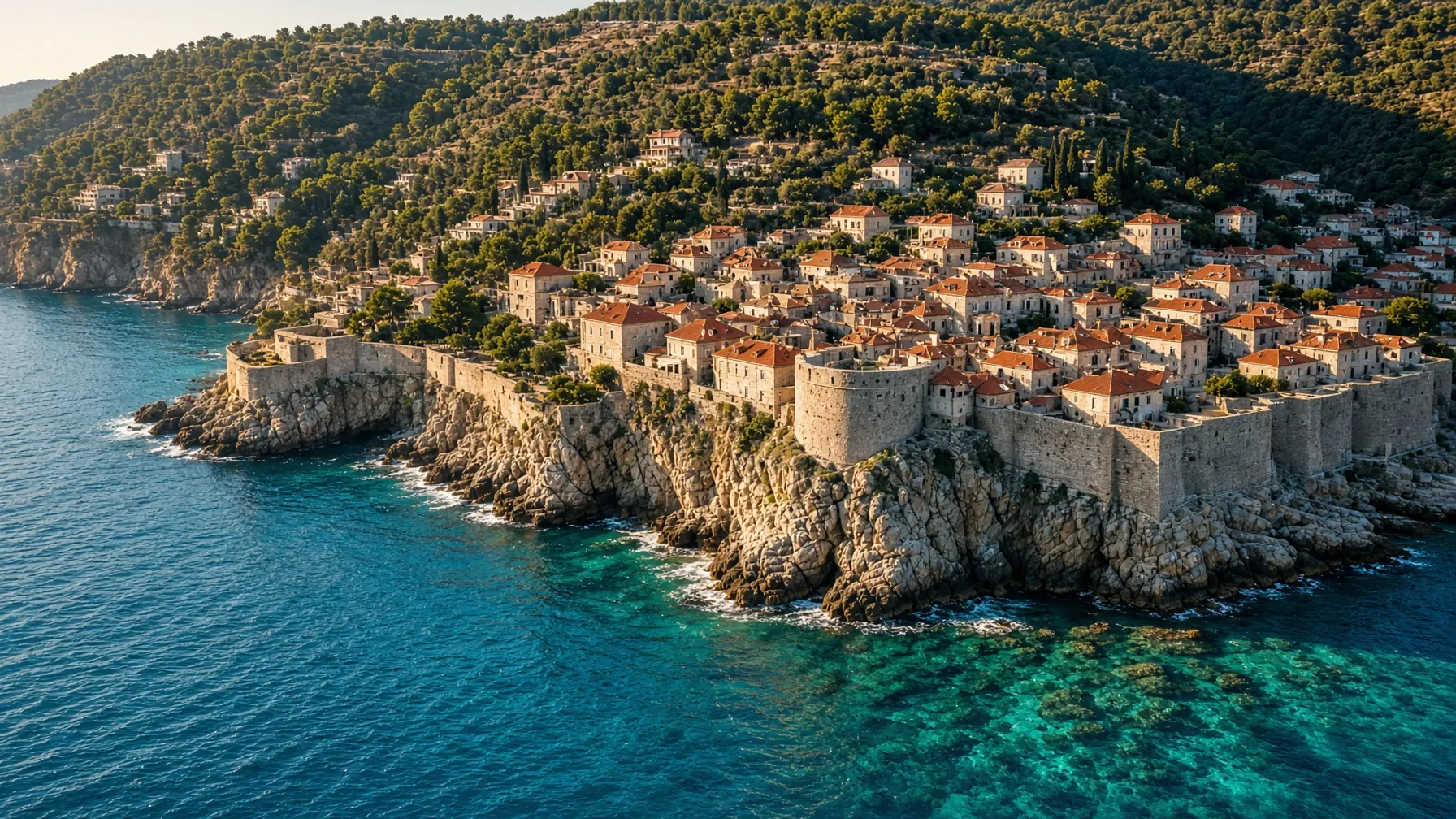
The Dalmatian Coast runs from Zadar to the southern border, and its old towns share a daily rhythm that has nothing to do with the season.
Cruise arrivals are concentrated in the middle of the day. Ships berth in the morning, their passengers move through the walled centres between roughly nine and four, and the same streets are quiet before and after those hours.
Because of this, the practical adjustment is the hour rather than the month. The walled towns at seven in the morning and again after six in the evening are a different proposition entirely, and the interval belongs to the water or to lunch inland. In best time to visit Croatia terms, the hour of the day carries as much weight on this coast as the month.
Next, Split operates differently because its old town is a living Roman palace with residents, shops and offices inside the walls, which absorbs the day traffic better than the smaller towns do.
In addition, Hvar carries its own short season: the lavender on the island’s interior plateau flowers from the middle of June into early July, and the island is the sunniest place in the country.
Meanwhile, the Kornati archipelago north of Šibenik is a national park of bare limestone islands that is at its most striking in the clear light of the shoulder months.
Istria: The Autumn Half of the Croatian Year
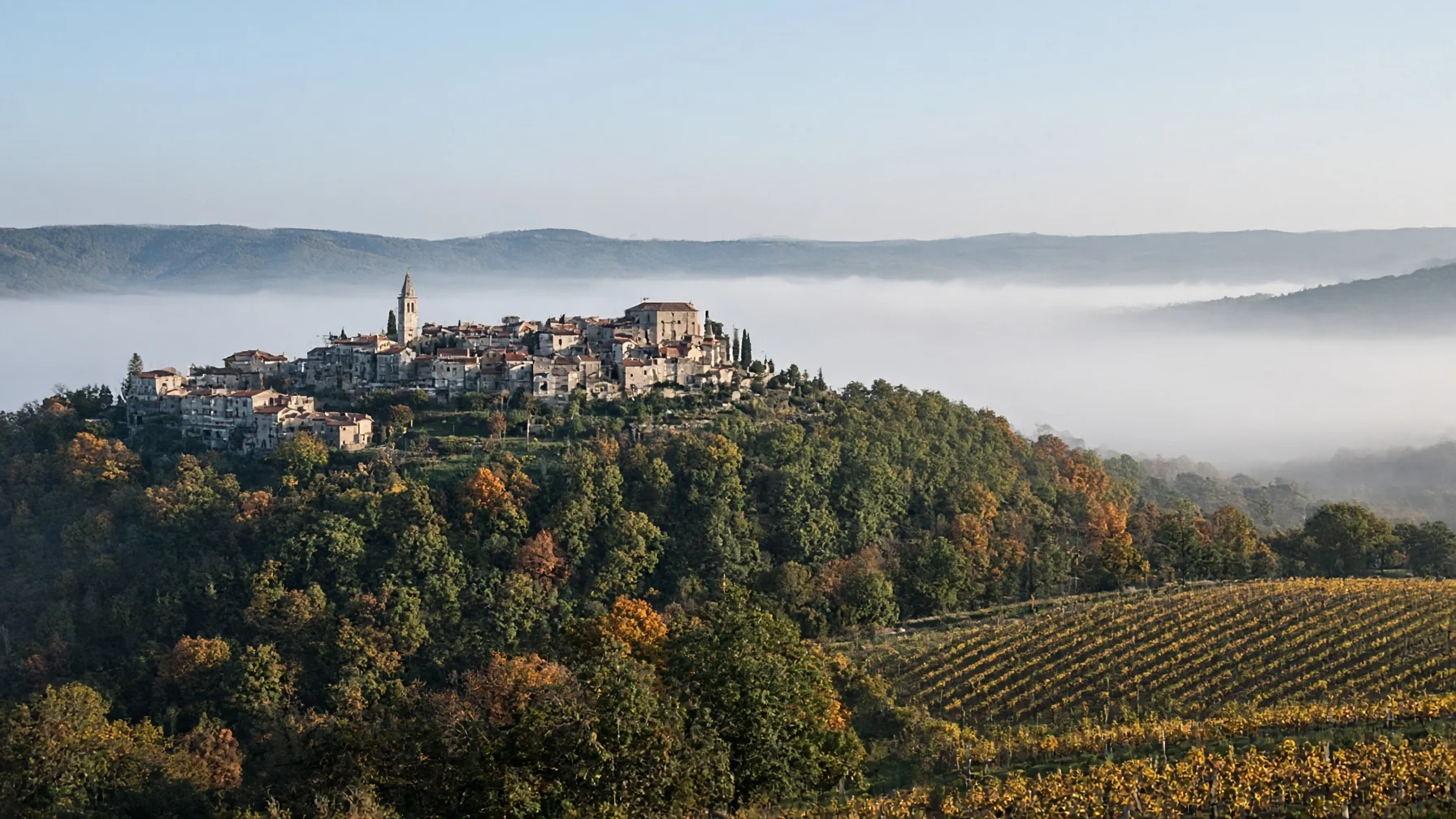
Istria sits at the northern end of the Adriatic and behaves like a separate country, which in cultural terms it partly is.
Its season is the inverse of the coast’s. The Istrian truffle harvest of the white variety runs from roughly September into January, with October and November as the peak weeks, and the oak woodland around Motovun is where it is found.
At the same time, the Malvazija harvest falls in late August and September. The region’s white wine is drunk young and locally, and the cellars are at their most interesting in the weeks immediately after picking.
Meanwhile, Rovinj on the western coast holds a Venetian old town on a peninsula, and its shoulder months are considerably quieter than the Dalmatian equivalents to the south.
As a result, an autumn itinerary that would fail on the southern coast works perfectly here. For the best time to visit Croatia in October, Istria is the answer the SERP rarely gives.
The Green Interior: Plitvice and Zagreb
Inland Croatia is continental, forested and almost entirely absent from the coastal conversation.
The Plitvice Lakes are sixteen terraced lakes joined by waterfalls, and their appearance changes completely across the year. Spring, from April into early June, carries the highest water from the snowmelt and the loudest falls. October brings the beech colour. July and August bring the timed-entry queues.
Here, the practical guidance is the first entry slot of the day in any season, because the wooden walkways are narrow and the circuit moves at the speed of the slowest group.
Next, Zagreb is a central European capital rather than a Mediterranean one, with an Austro-Hungarian centre, a serious museum culture and long café hours. Its strongest month is December, when the Advent market spreads across the squares and parks of the upper town.
Therefore, the interior extends the country’s calendar into the months the coast surrenders.
In addition, the drive between the two is shorter than it appears. Plitvice sits roughly two hours inland from the northern Dalmatian ports and a similar distance from the capital, which makes it a natural hinge between a coastal week and a continental one rather than an excursion from either. For travelers asking about the best time to visit Croatia as a whole country, that hinge is where the answer usually lands.
The Winter Coast, the Wind and the Short Version
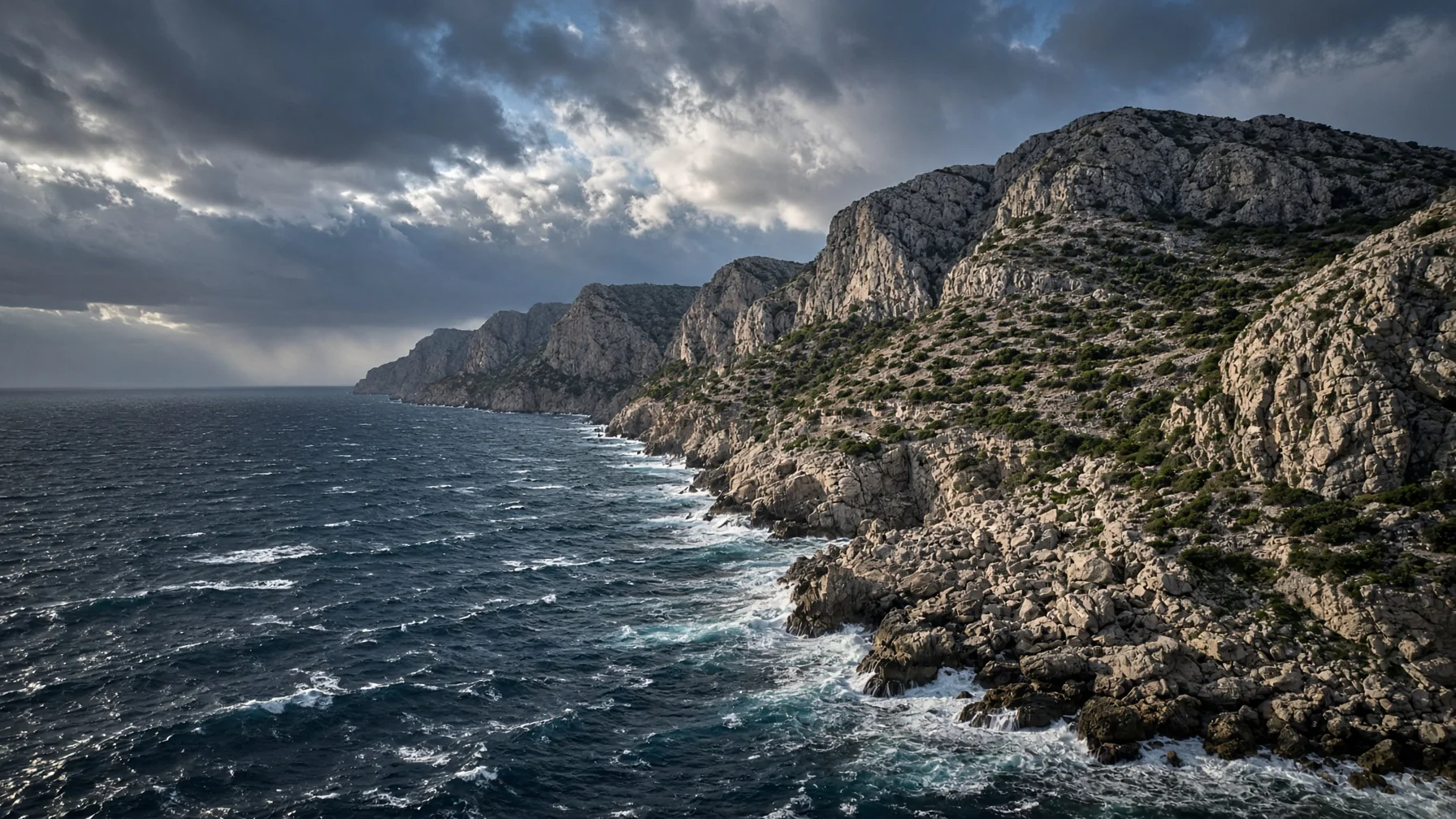
Two winds shape the Croatian year and neither appears in a climate table.
The bura blows from the northeast, dry and violent, most often between October and April. It flattens the humidity and delivers the clearest visibility of the year, and at its strongest it closes coastal roads and suspends ferry services for a day or two at a time.
In contrast, the jugo arrives from the southeast in autumn and spring, bringing humidity, cloud and a swell that makes the sea uncomfortable rather than dangerous.
Meanwhile, winter on the coast is genuinely quiet. Many island properties close between November and April, and the smaller towns operate at a fraction of their summer selves.
Finally, the short version: late May and June for the coast before the crowds, September for the warmest water, October for Istria and the interior, December for the capital. For official regional information, see https://croatia.hr
Warm water in September, truffle woods in October, and old towns that empty at six
Signature Experiences
- September swimming when the Adriatic Sea is at its warmest
- Walled old towns at seven in the morning on the Dalmatian Coast
- A Roman palace still lived in at Split
- Lavender in flower on the plateau of Hvar in late June
- Bare limestone islands of the Kornati in shoulder-season light
- White Istrian truffle hunting in the oak woods in November
- Cellars after the Malvazija harvest in Istria
- Hill town mornings above the mist at Motovun
- Venetian peninsula streets in Rovinj in October
- Snowmelt waterfalls at the Plitvice Lakes in May
- Advent squares across the upper town in Zagreb
- Winter clarity on the coast during the bura
Ready to Begin the Journey?
Croatia is two seasons on one map, and the good weeks are decided by the water and the harvest rather than by the forecast. At Escape Xperts, we time the coast, Istria and the interior against their own calendars, combining seamless logistics, private guiding and curated exploration.
Why Time Your Croatian Journey with Escape Xperts
Croatia is planned as a July destination and delivers most of its best weeks either side of that. The sea peaks in September, the truffle woods peak in November, and the walled towns are a different experience at seven in the morning than at noon. At Escape Xperts, we read the best time to visit Croatia against the water, the harvest and the hour of the day.