
Best months (Andaman coast): November to April
Best months (Gulf of Thailand): January to August
Best months (north): November to January, before the burning season
Regions covered: Andaman coast · Gulf of Thailand · Bangkok · Northern hills · Isan
Best Time to Visit Thailand: Two Coasts, Two Monsoons
The best time to visit Thailand is usually November to March, when the cool, dry season covers most of the country. Yet the two coastlines run on opposite monsoons, and the north has a smoky spring of its own. The right month therefore depends on which coast and which region the journey includes.
Most planning advice treats Thailand as one climate. In practice, a family can find calm seas on one side of the peninsula and steady rain on the other in the very same week.
At EscapeXperts, we time Thailand by coastline and by altitude. This guide explains how the monsoons divide the country, why the northern spring deserves caution, and which combinations work in each quarter of the year.
Why the Best Time to Visit Thailand Depends on the Coast
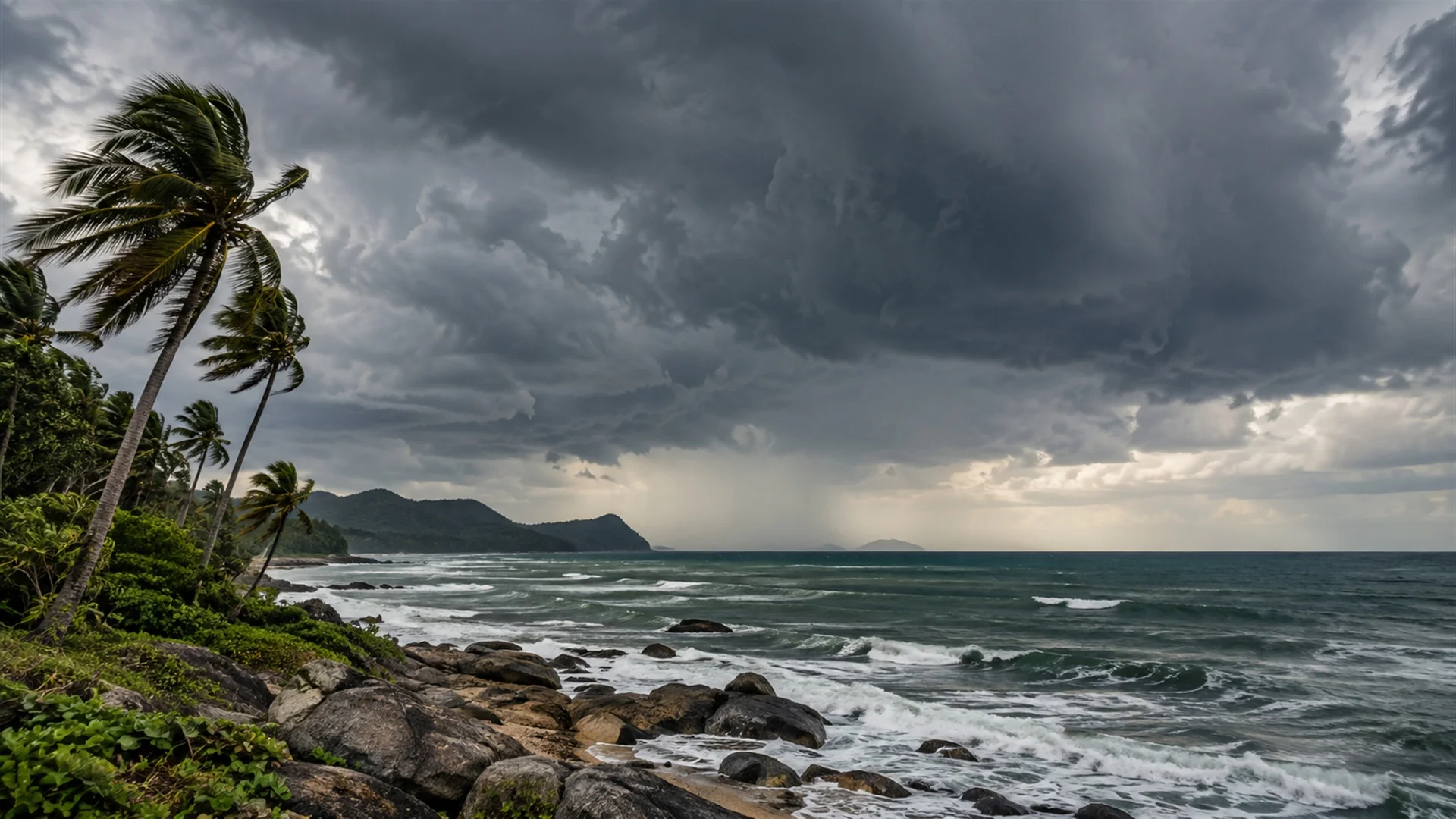
Two seasonal wind systems shape the Thai year. The southwest monsoon arrives around May and carries rain from the Indian Ocean onto the western shore. Later in the year, the northeast monsoon pushes moisture across the South China Sea toward the eastern shore.
The peninsula sits between them. As a result, the Andaman coast on the west and the Gulf of Thailand on the east reach their wettest weeks at different times, with only partial overlap in autumn.
This is the detail that most itineraries miss. A traveler who books a beach stay in September on the western shore will meet a different sea from one who books the eastern shore in the same month.
Therefore, the best time to visit Thailand for a beach chapter is less a question of month than of choosing the coast that month favors.
The Andaman Coast: Clear From November to April
On the western shore, the dry season runs broadly from November to April. Seas settle, visibility underwater improves, and the long beaches around Khao Lak are at their most inviting in the weeks after the rains withdraw.
From May, the southwest monsoon changes the picture. Rain tends to arrive in heavy bursts, swells build, and several marine parks close for the season, which limits boat days and diving.
Meanwhile, the green months are not without appeal. Resorts are quieter and the landscape turns vivid. However, families who plan around swimming and sea excursions should treat May to October on this coast with care.
For a western beach chapter, then, the best time to visit Thailand falls between late November and early April, with December to February the most settled weeks of all.
The Gulf of Thailand Runs on a Later Calendar
In contrast, the eastern shore stays comparatively dry through much of the western monsoon. From roughly January to August, the waters around Koh Samui and the wider gulf are often calm, with passing showers rather than extended rain.
The gulf’s wet season arrives later, from around October to December, when the northeast monsoon brings its heaviest rainfall. These are the weeks when the Andaman shore is recovering its best conditions.
Because of this mirror effect, the summer months that are uncertain in the west are often the most dependable in the east. For families traveling during the northern summer school holidays, the gulf is usually the stronger choice, and the best time to visit Thailand in July or August is almost always an eastern one.
The Northern Burning Season, February to April
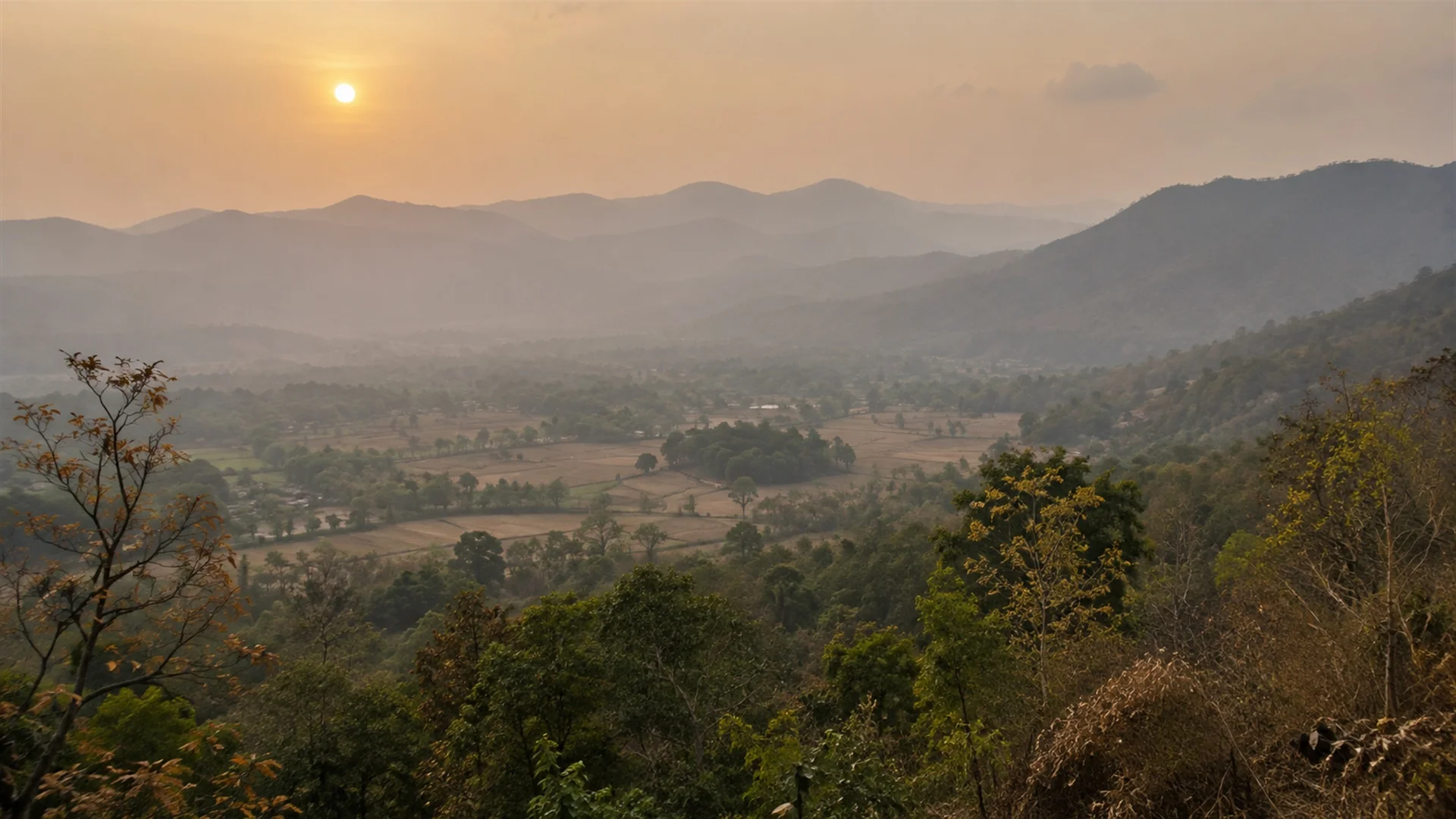
The north offers its finest weather from November to January. Mornings in Chiang Mai are cool, skies are clear and the mountain views stretch far across the valleys.
From February, conditions change. The burning season, driven by agricultural fires and forest burning across the region, fills the northern valleys with smoke. It typically intensifies through March and April, when air quality in and around Chiang Mai can reach unhealthy levels for days at a time.
This coincides with the spring break weeks many families use for travel. As a result, a northern chapter planned for March or April may deliver hazy views, closed trails on poor days and conditions unsuitable for young children or travelers with respiratory concerns.
Relief usually comes with the first rains in May. For this reason, we advise against scheduling the north in March and April, and we flag it clearly when a family’s dates fall in that window. Few commercial guides mention the smoke at all, yet for the north it is the single factor that most changes the best time to visit Thailand.
Bangkok, Isan and the Central Plains
Bangkok follows the mainland pattern. The cool, dry months from November to February are the most comfortable for walking, while March to May brings intense heat before the rains arrive.
From roughly June to October, the capital sees regular downpours, often in the afternoon. The city remains entirely visitable in these months, particularly with river transport and indoor cultural visits planned around the weather.
In addition, the northeastern plateau of Isan shares this rhythm, with a hot, dry spring and a green rainy season. Its Khmer-era temples and rural landscapes are best explored in the cool months, when overland journeys are most comfortable. Because both regions sit inland, they can join almost any beach chapter, provided the heat of April is avoided.
Songkran, Loy Krathong and Yee Peng
Three festivals shape availability. Songkran, the Thai New Year, is held from 13 to 15 April, with celebrations extending over several days in Chiang Mai. The water festivities are joyful, and they also slow transport and fill hotels nationwide.
Loy Krathong falls on the full moon of the twelfth lunar month, usually in November. Across the country, floating offerings are released onto rivers and lakes at night.
In Chiang Mai, the same weeks bring Yee Peng, the northern lantern festival. Its dates move with the lunar calendar, so rooms should be secured as soon as the year’s dates are announced.
The Best Time to Visit Thailand, Quarter by Quarter
- January to March: North clear in January, smoke building from February · Andaman coast at its best · Gulf drying out
- April to June: North hot and smoky until the rains · Andaman monsoon from May · Gulf calm and dependable
- July to September: North green and rainy · Andaman wet · Gulf still the stronger coast
- October to December: North excellent from November · Andaman clearing · Gulf at its wettest
Read together, the combinations become clear. In the first quarter, Chiang Mai in January pairs well with the western shore. In the second and third, Bangkok and the gulf form the reliable pairing, with the north only once the rains have cleared the air.
Finally, the fourth quarter favors the north with the Andaman coast from late November. That is the best time to visit Thailand for a journey that includes both mountains and sea.
For official regional information, see https://www.tourismthailand.org
Opposite monsoons, clear northern mornings, and a calendar worth reading closely
Signature Experiences
- Cool, clear January mornings in the hills of Chiang Mai
- Calm dry season seas along the Andaman coast
- Summer beach days on the sheltered Gulf of Thailand
- Floating offerings on the night of Loy Krathong
- Lantern-lit evenings of Yee Peng in the north
- Cool season walks through the temples of Bangkok
- River journeys through the capital in the green months
- Khmer-era temples across the plateau of Isan
- Family time around the quieter weeks of Songkran
Ready to Begin the Journey?
Thailand rewards families who plan around its two monsoons and its northern spring. At EscapeXperts, we match each region to its best weeks, combining seamless logistics, private experiences and curated exploration so that every chapter of the trip arrives in season.
Why Travel to Thailand with EscapeXperts
Thailand is not one climate but several, and the difference between a calm sea and a rough one can be a single coastline. At EscapeXperts, we read the monsoons and the northern air together, choosing the order of regions and the right weeks for each. The result is an honest answer to the best time to visit Thailand for the journey your family wants to take.