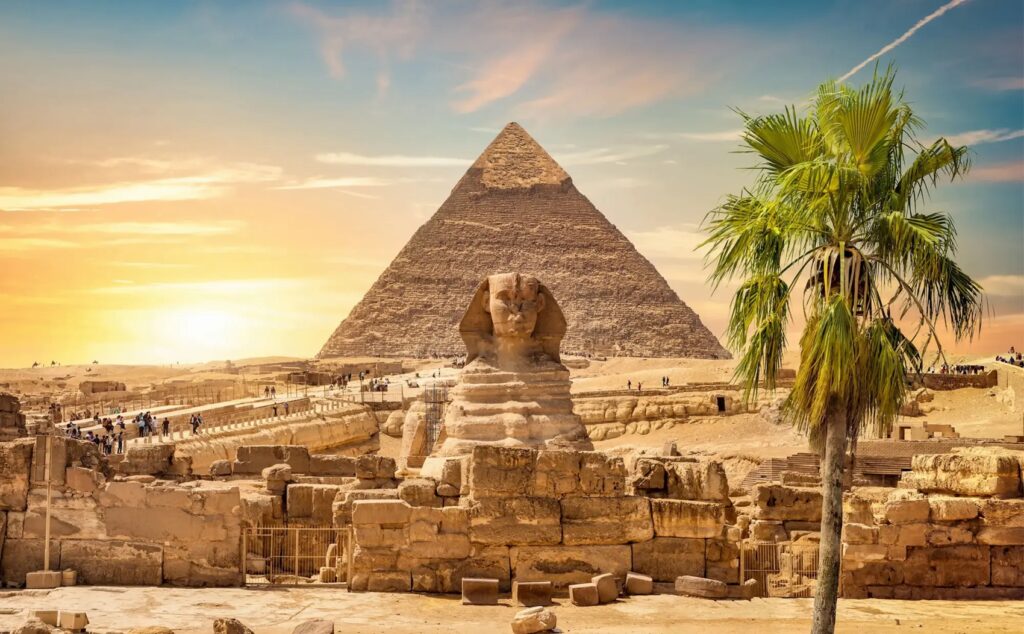
Duration: 8 days
Best months: October to April
Country: Egypt
Ports: Luxor · Edfu · Kom Ombo · Aswan · Abu Simbel (excursion)
A Nile River Cruise from Luxor to Aswan and Abu Simbel
This nile river cruise follows the same route that connected the great temples of ancient Egypt — sailing south from Luxor through Edfu and Kom Ombo to Aswan, with an overland excursion to Abu Simbel near the Sudanese border. As a result, each day reveals a temple complex that has stood for three thousand years or more, seen from the same waterway that the pharaohs used to reach them.
The Nile between Luxor and Aswan is navigable year-round, but the cooler months offer the most comfortable conditions for temple visits. Therefore, this nile river cruise is best experienced between October and April. Lines such as the Oberoi Philae, Sanctuary Sun Boat and AmaWaterways operate refined vessels on this corridor.
Luxor: The World’s Greatest Open-Air Museum
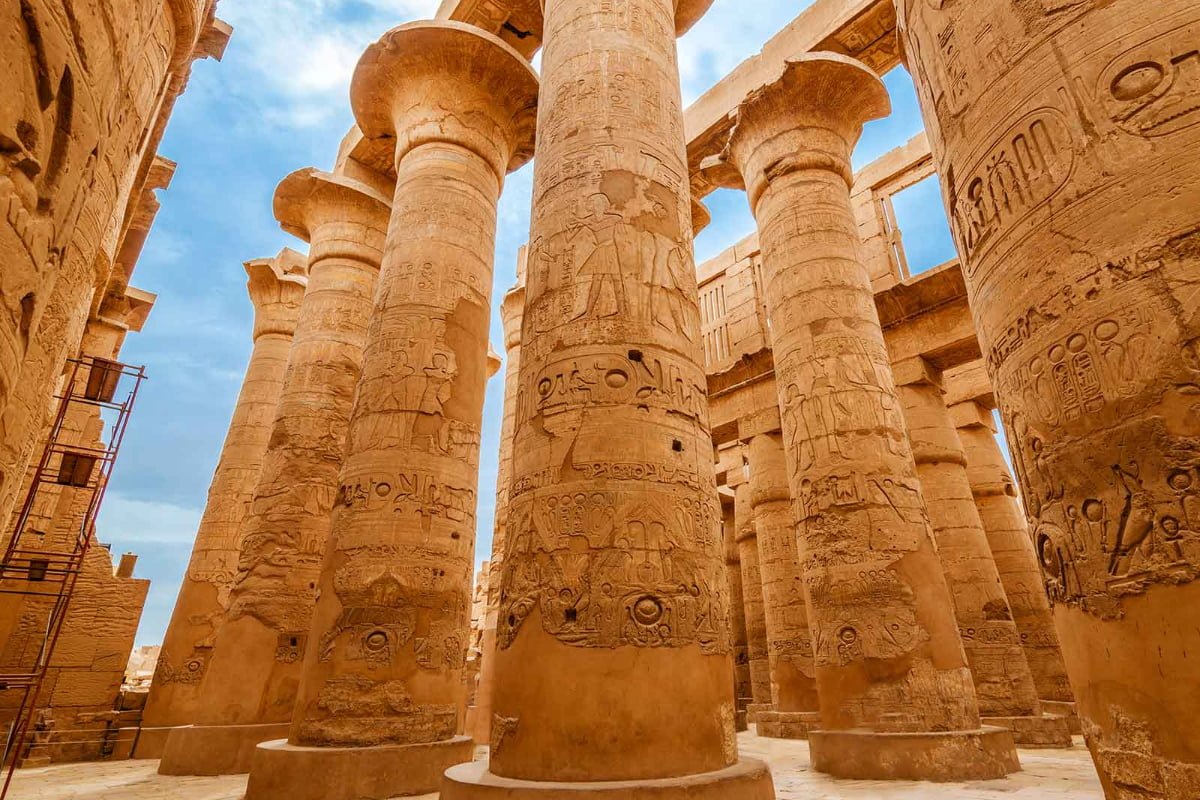
The voyage begins in Luxor, where the concentration of ancient monuments surpasses any other site in Egypt. The east bank holds Karnak Temple — its hypostyle hall of 134 columns remains one of the most imposing architectural spaces ever constructed — and Luxor Temple, illuminated at night along the Nile corniche.
The west bank reveals the Valley of the Kings, where sixty-three royal tombs descend into the limestone cliffs. From the start, Luxor establishes the archaeological scale that defines the entire nile river cruise. https://whc.unesco.org/en/list/87
Edfu: The Best-Preserved Temple in Egypt
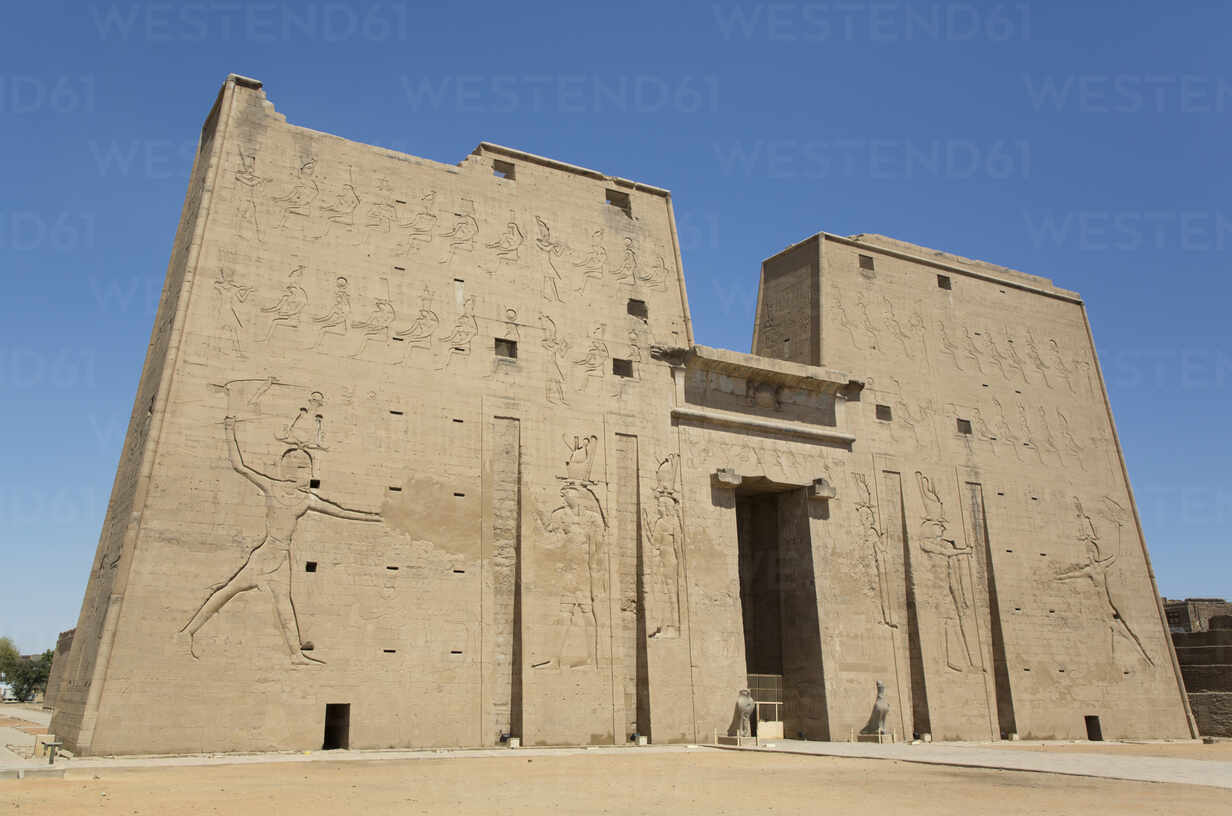
Next, the ship sails south to Edfu, where the Temple of Horus stands almost completely intact. Built during the Ptolemaic period, the temple’s pylons, courtyards and inner sanctuary preserve the architectural logic of Egyptian religious design more clearly than any other surviving example.
Because of this, Edfu functions as a masterclass in temple architecture — the stop where the building blocks of ancient Egyptian belief become most legible within the nile river cruise.
Kom Ombo: The Twin Temple Above the River
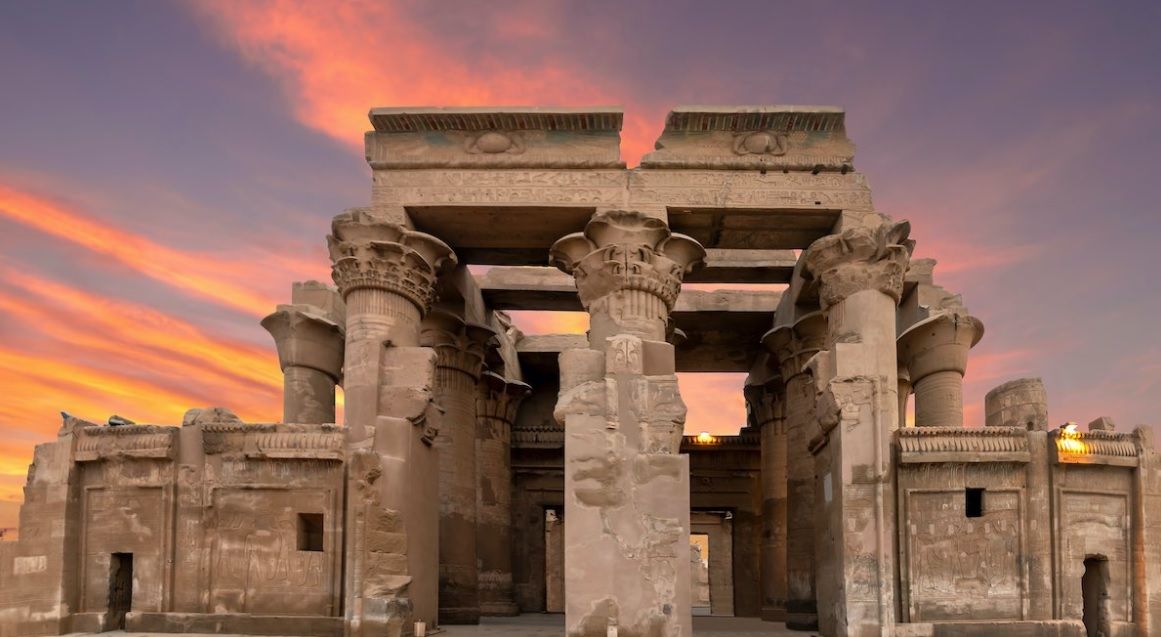
The temple at Kom Ombo is unique for its symmetrical dual design — one half dedicated to Sobek, the crocodile god, and the other to Horus the Elder. The site sits on a bluff directly above the Nile, visible from the ship as it approaches.
In addition, a small museum displays mummified crocodiles discovered at the site. Meanwhile, the sunset views from the temple terrace across the river are among the most memorable on the journey. This stop adds mythological depth to the nile river cruise.
Aswan: Nubian Culture and the Feluccas
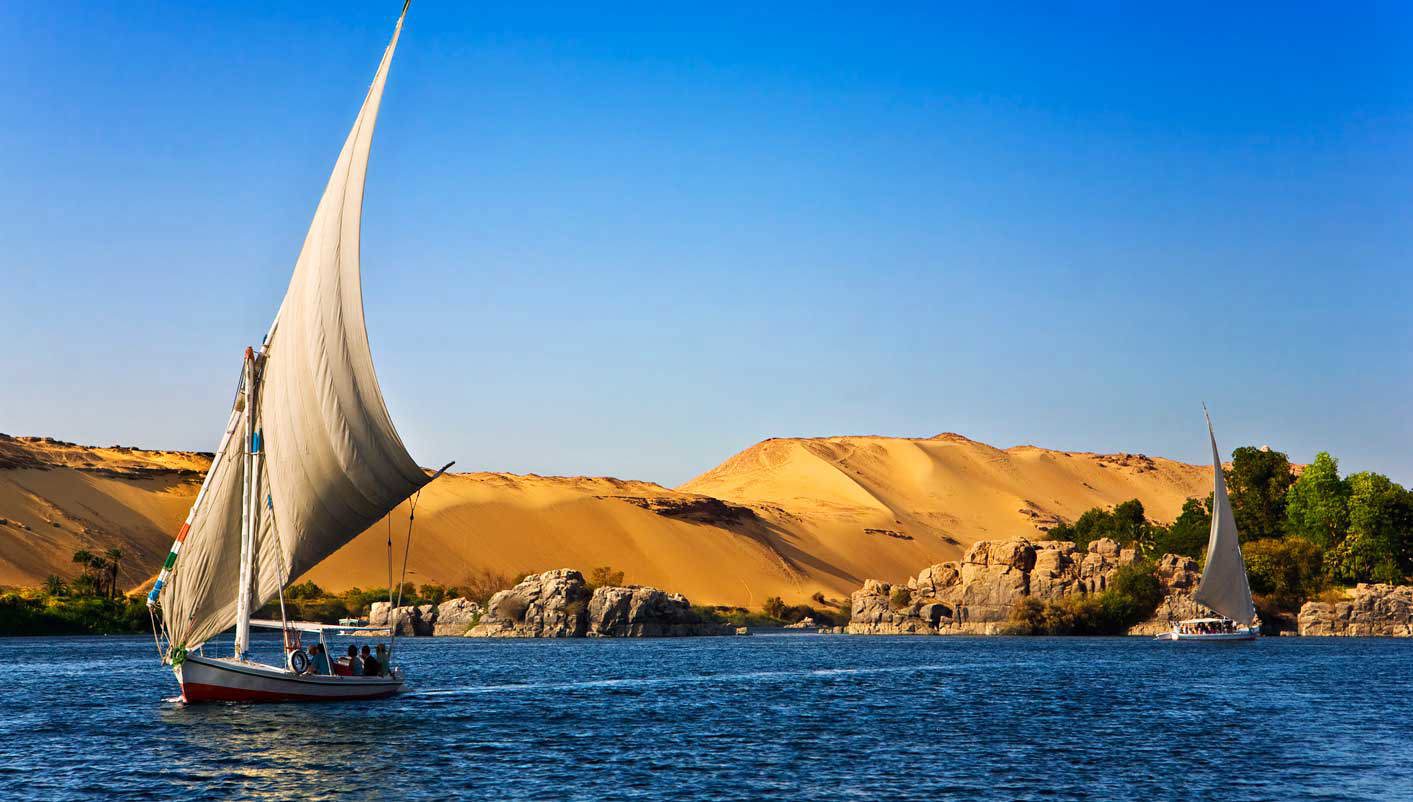
Aswan marks the traditional southern frontier of ancient Egypt. The city’s atmosphere is distinctly Nubian — warmer, slower and more colorful than the north. Philae Temple, relocated to Agilkia Island after the construction of the High Dam, combines Ptolemaic and Roman architecture in a setting surrounded by water.
A felucca sail around Elephantine Island and the Botanical Garden provides the most authentic Nile experience. Therefore, Aswan shifts the nile river cruise from temple archaeology to living river culture.
Abu Simbel: The Journey’s Climax
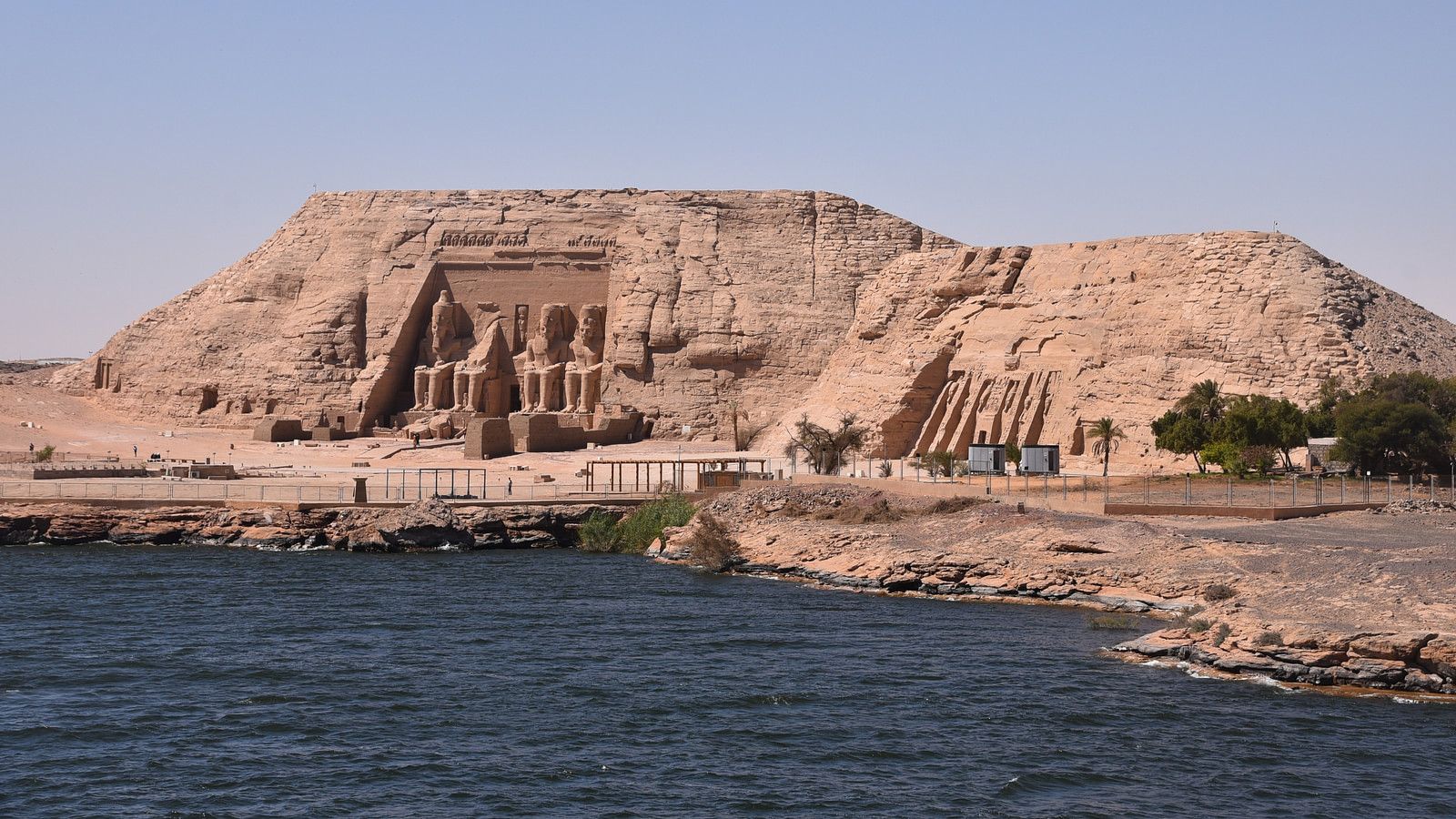
Finally, an overland or flight excursion reaches Abu Simbel, where four colossal statues of Ramesses II guard a temple carved directly into a sandstone cliff. The UNESCO-led relocation of these temples in the 1960s — raised sixty-five meters to escape the rising waters of Lake Nasser — remains one of the greatest engineering feats in preservation history.
Abu Simbel is the emotional climax of the nile river cruise. As a result, the journey ends with the most visually powerful monument in all of Egypt.
Ancient columns, desert horizons, and the river that built a civilization
Signature Experiences
- Hypostyle hall at Karnak Temple in Luxor
- Royal tombs in the Valley of the Kings
- Intact Ptolemaic architecture at the Temple of Horus in Edfu
- Twin temple and crocodile museum at Kom Ombo
- Nubian culture and Philae Temple in Aswan
- Felucca sail around Elephantine Island
- Colossal Ramesses II statues at Abu Simbel
- Sunset views from the temple terrace at Kom Ombo
- Botanical Garden visit on Kitchener Island
- Eight days connecting temples spanning three millennia
Ready to Sail the Nile?
A nile river cruise that honors three thousand years of temple architecture requires expert coordination. At Escape Xperts, we select boutique vessels, arrange private Egyptologist guides and time every temple visit for optimal light and minimal crowds.
Why Cruise the Nile with Escape Xperts
The Nile is not merely a river — it is the axis around which ancient Egyptian civilization was built. From Karnak’s colossal columns to the relocated marvels of Abu Simbel, this route connects monuments that define human architectural achievement. At Escape Xperts, we design every detail so that your nile river cruise unfolds as a journey through time, with private guides, refined vessels and the unhurried pace that three millennia of history deserve.