Suggested stay: Four to five nights on a return visit
Organized by: Neighborhood and by architect
Country: Spain
Areas covered: Eixample · El Born · Barri Gòtic · Gràcia · Montjuïc · Tibidabo
Things to Do in Barcelona Beyond the Single Building
Most visitors arrive with a list of four Gaudí addresses and leave having queued at three of them. The things to do in Barcelona that reward a second visit are organized differently: by neighborhood, by architect and by the hour the light reaches a particular window.
Barcelona is a city of villages absorbed into a grid in the nineteenth century, and the villages are still legible. Gràcia, El Born and the Gothic core have separate street patterns, separate squares and, in practice, separate populations.
At Escape Xperts, we plan the city by district rather than by monument, with the timed entries booked around the day instead of the day built around the timed entries.
Gaudí With a Clock: How the Access Actually Works
Every major Gaudí site now runs on timed entry, and understanding the mechanics is the difference between a considered visit and a shuffle through a crowd.
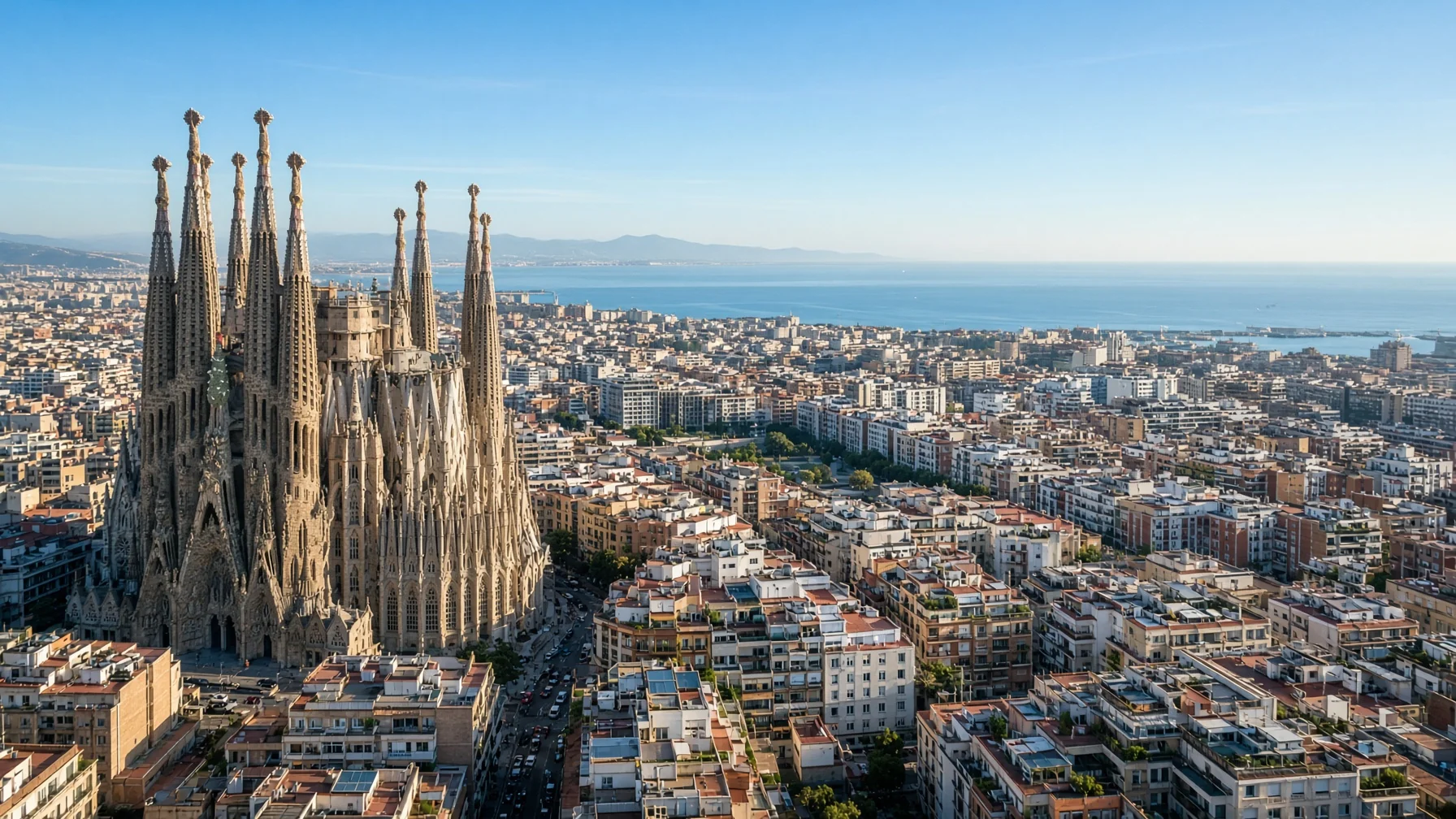
The Sagrada Família admits visitors in slots at short intervals, and the slot chosen determines what is actually seen. The eastern windows carry blues and greens and are at their strongest in the morning; the western side runs to amber and red and lights the nave in the late afternoon. Tower access is a separate reservation with its own time, and it sells out first.
Meanwhile, Park Güell restricts entry to its monumental core to a fixed number of visitors per half hour, while the surrounding woodland remains open and free. The upper terraces early in the day give the view that the postcards use, before the light flattens.
Next, Casa Batlló and La Pedrera face each other along the same stretch of the Passeig de Gràcia, ten minutes apart. Both run evening sessions that are quieter than the daytime ones and considerably better lit.
Therefore, the sequencing decides the day. Among the things to do in Barcelona, these four are the only ones that must be fixed weeks in advance; everything else can be arranged around them.
The Modernisme Nobody Queues For
Gaudí was one architect within a movement, and two of the movement’s finest buildings belong to Lluís Domènech i Montaner, who receives a fraction of the attention.
The Palau de la Música Catalana in the old city is a concert hall built as a glass box in a dense street, with an inverted stained-glass skylight over the auditorium and mosaic columns rising through the balconies. Attending a concert is a different experience from the guided visit, and the programming runs year round.
Beyond it, the Hospital de Sant Pau is the largest art nouveau complex in Europe: twelve pavilions in gardens, connected by tunnels, and built on the theory that patients recover faster among trees and colored tile. It functioned as a working hospital until 2009 and stands a ten-minute walk up the avenue from the Sagrada Família.
In addition, both are UNESCO-listed and neither is crowded. The contrast with the queue a few streets away is instructive.
As a result, the modernisme route is where a second visit finds its footing. Few things to do in Barcelona deliver as much for as little planning.
El Born, the Gothic Quarter and the Market in the Middle
El Born is the medieval merchants’ quarter and the most coherent district in the old city, built around Santa Maria del Mar, a fourteenth-century basilica of extraordinary plainness that was raised in fifty-five years by the port workers of the parish.
Its streets are named for the trades that occupied them, the Picasso collection sits in five adjoining medieval palaces, and the archaeological site under the old market hall preserves the streets demolished in 1714.
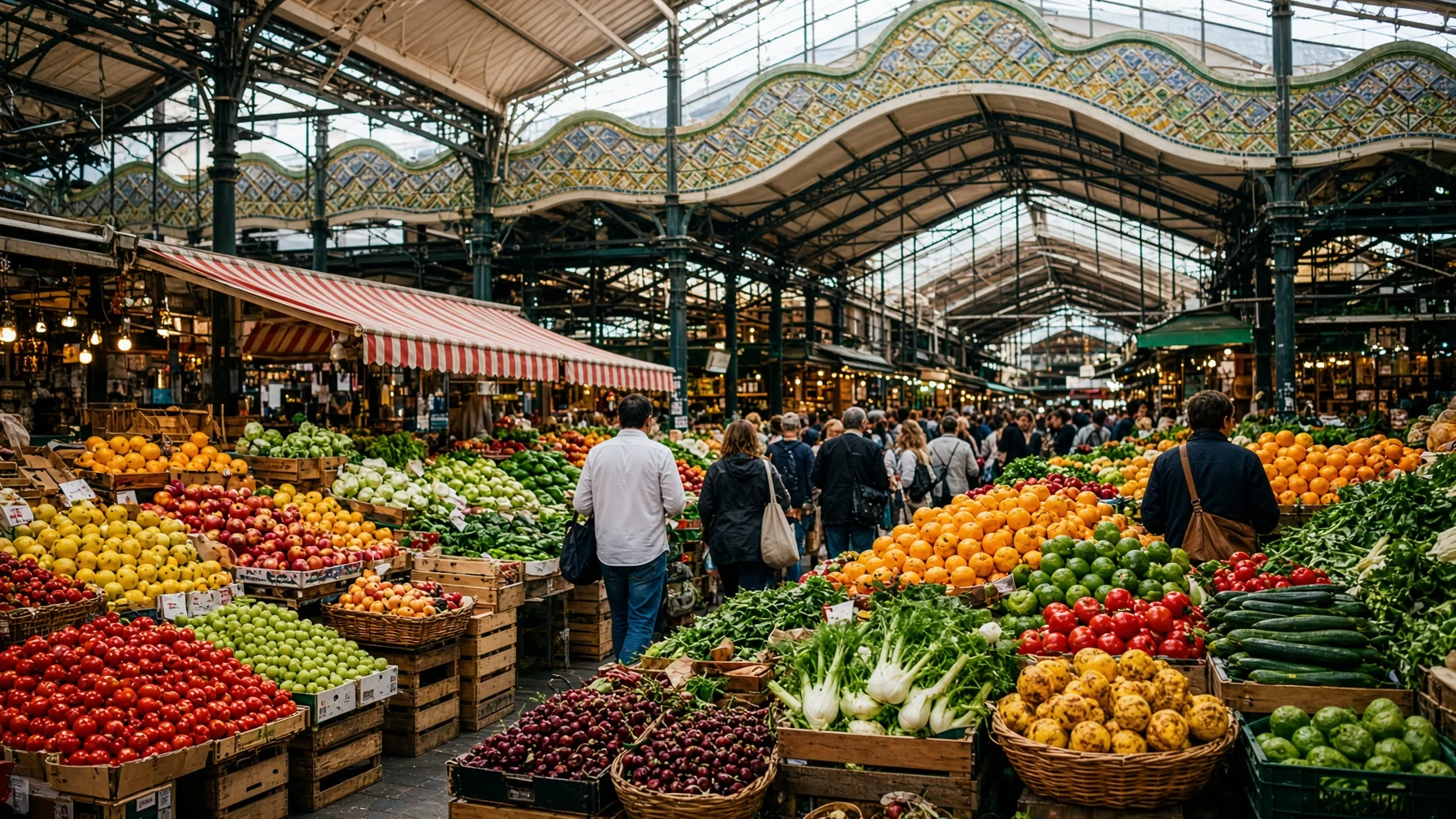
Here, the Mercat de Santa Caterina is the one to use. It is smaller than the market on the Rambla, it serves the neighborhood rather than the tour groups, and its undulating roof of coloured tile is worth the walk on its own. Several of its counters cook what they sell.
Meanwhile, the Barri Gòtic next door needs care. Its core is genuinely Roman and medieval, with the cathedral cloister, the wall towers and the royal square, but its main axis is heavily commercial, and the difference between the two is one street.
Because of this, the old city is best walked early, when the deliveries are arriving and the residents still outnumber everyone else. Of all the things to do in Barcelona, this one costs nothing beyond an early alarm and changes the district completely.
Gràcia: The Village That Never Joined
Gràcia was an independent town until 1897 and has never fully accepted the annexation. Its street grid predates the Eixample, its squares are small and connected, and it is the district Barcelonans name when asked where they would live.
Its scale is the attraction. The plazas function as outdoor rooms, the shops are single-owner, and the restaurants are booked by residents rather than by hotels.
Next, the district holds Gaudí’s first commission, Casa Vicens, a tiled house from 1885 that shows the architect before the style he is known for, and it stands on an ordinary residential street with no queue outside it.
Therefore, an afternoon here needs no itinerary at all. It is the part of the city where doing very little is the correct approach, and it belongs on any serious list of things to do in Barcelona precisely because it asks for nothing.
The Two Hills: Montjuïc and Tibidabo
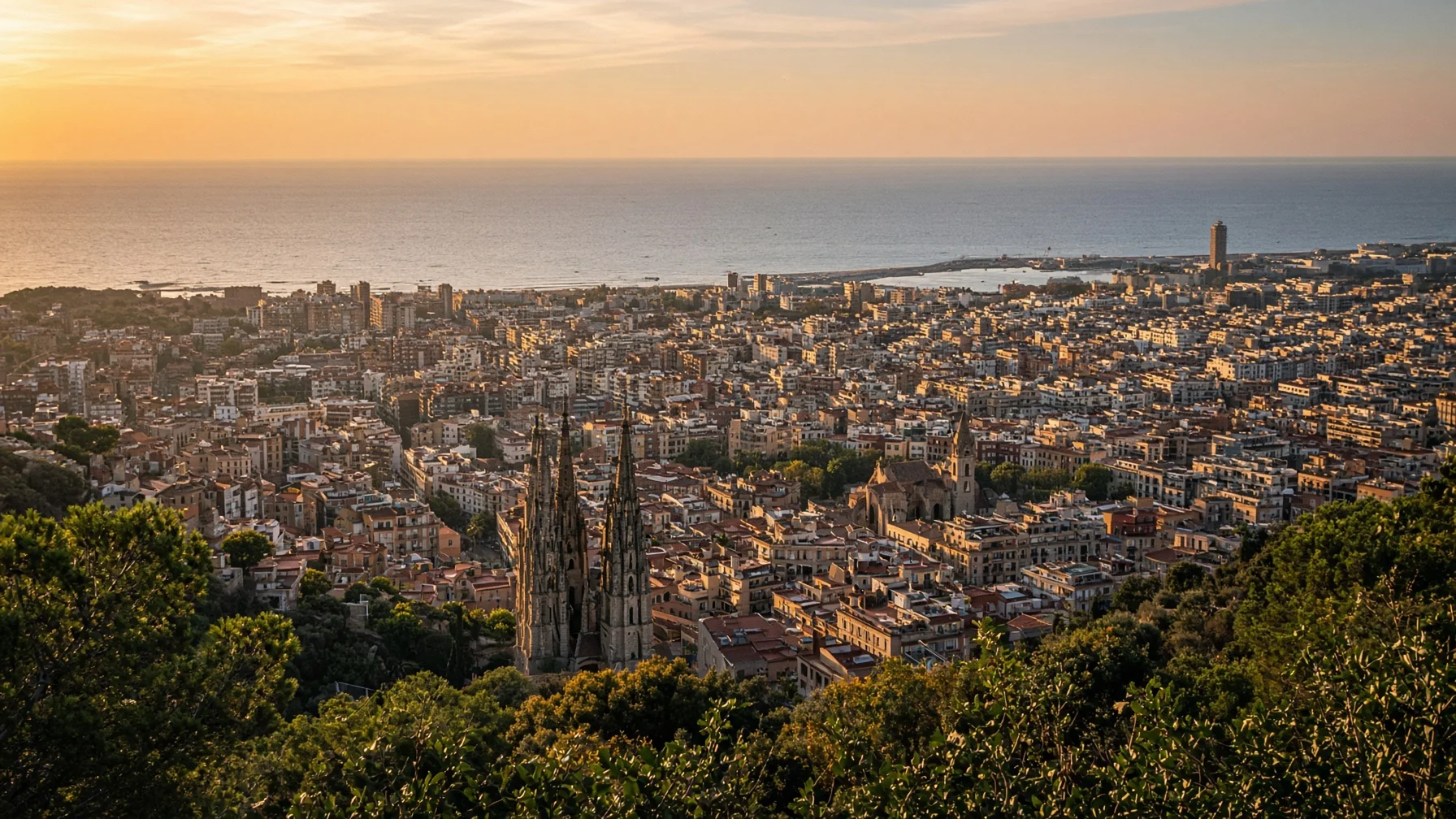
Barcelona is bracketed by two hills, and they serve completely different purposes.
Montjuïc rises above the port and holds the city’s cultural weight: the national collection of Catalan Romanesque frescoes rescued from Pyrenean churches, the Miró foundation in a white Sert building among pines, the botanical gardens and a castle on the summit.
Meanwhile, Tibidabo stands behind the city at five hundred meters, with a church on the summit, an amusement park that has run since 1901 and the widest view in Barcelona. It is reached by an old funicular and a tram from the 1900s.
In addition, both hills are where the city goes on Sundays, which is the argument for joining it rather than avoiding it. The things to do in Barcelona on a Sunday are almost all uphill.
Finally, the port below connects the city to the wider Mediterranean, and the coastal sailings that leave from it deserve their own journey. For official regional information, see https://www.spain.info
Morning glass in the basilica, tiled pavilions with no queue, and a village that kept its own squares
Signature Experiences
- Morning eastern glass inside the Sagrada Família
- Early terrace hour at Park Güell before the light flattens
- Evening sessions at Casa Batlló and La Pedrera
- A concert beneath the skylight of the Palau de la Música Catalana
- Twelve garden pavilions at the Hospital de Sant Pau
- Santa Maria del Mar and the trade streets of El Born
- Counter lunch at the Mercat de Santa Caterina
- Roman walls and cathedral cloister in the Barri Gòtic
- Connected plazas and single-owner shops in Gràcia
- Gaudí’s first house on an ordinary residential street
- Romanesque frescoes and the Miró collection on Montjuïc
- The old funicular and the summit view from Tibidabo
Let’s Design Your Experience
Barcelona is a city where the reservation calendar decides the quality of the visit. At Escape Xperts, we hold the slots that matter and build the rest of the week around the neighborhoods, combining seamless logistics, private guiding and curated exploration across the districts.
Why Travel to Barcelona with Escape Xperts
Barcelona is not difficult to see and it is difficult to see well. The same building at two different hours is two different buildings, and the finest work of the movement stands empty a few streets from the longest queue in Spain. At Escape Xperts, we time the access and read the city by district, which is what the most rewarding things to do in Barcelona depend on.