Best overall windows: Late May to June · September to mid-October
Hardest month to plan: August, for opposite reasons in the city and on the coast
Country: France
Calendars covered: Capital · Countryside · Southern coast
Best Time to Visit France: Three Calendars, Not One
The best time to visit France depends entirely on which France is meant. The capital, the countryside and the southern coast peak in different months and empty in different months, and a single trip that treats them as one season will get at least one of them wrong.
Broadly, the cities are at their best in spring and autumn, the countryside follows the agricultural year, and the coast follows the European holiday calendar. The three overlap only twice, in June and September.
At Escape Xperts, we sequence multi-region journeys by matching each leg to its own calendar first and then deciding the order, rather than choosing a month for the country as a whole.
Paris and the Cities: Spring, Autumn and the August Question
Paris is a spring and autumn city. May, early June, September and the first half of October give long daylight, terrace weather and a cultural season running at full strength.
August is the complication. The city empties of Parisians, and with them go a substantial share of the restaurants, bakeries and small shops, many of which close for two to four weeks. The museums stay open and the queues stay long, so the visitor gets the monuments without the city that surrounds them.
Therefore, August in the capital is a trade rather than a mistake. Space and quiet in the streets, at the cost of the neighborhood life that most returning visitors come back for.
Meanwhile, winter has a real argument. From January to March the galleries are genuinely empty, the light is low across the stone, the restaurant tables open up and the opera season is at its densest.
Because of this, the best time to visit France for its cities is wider than for anywhere else in the country. Only the deep summer weeks are compromised, and only in a specific way.
The Countryside: The Agricultural Year Decides
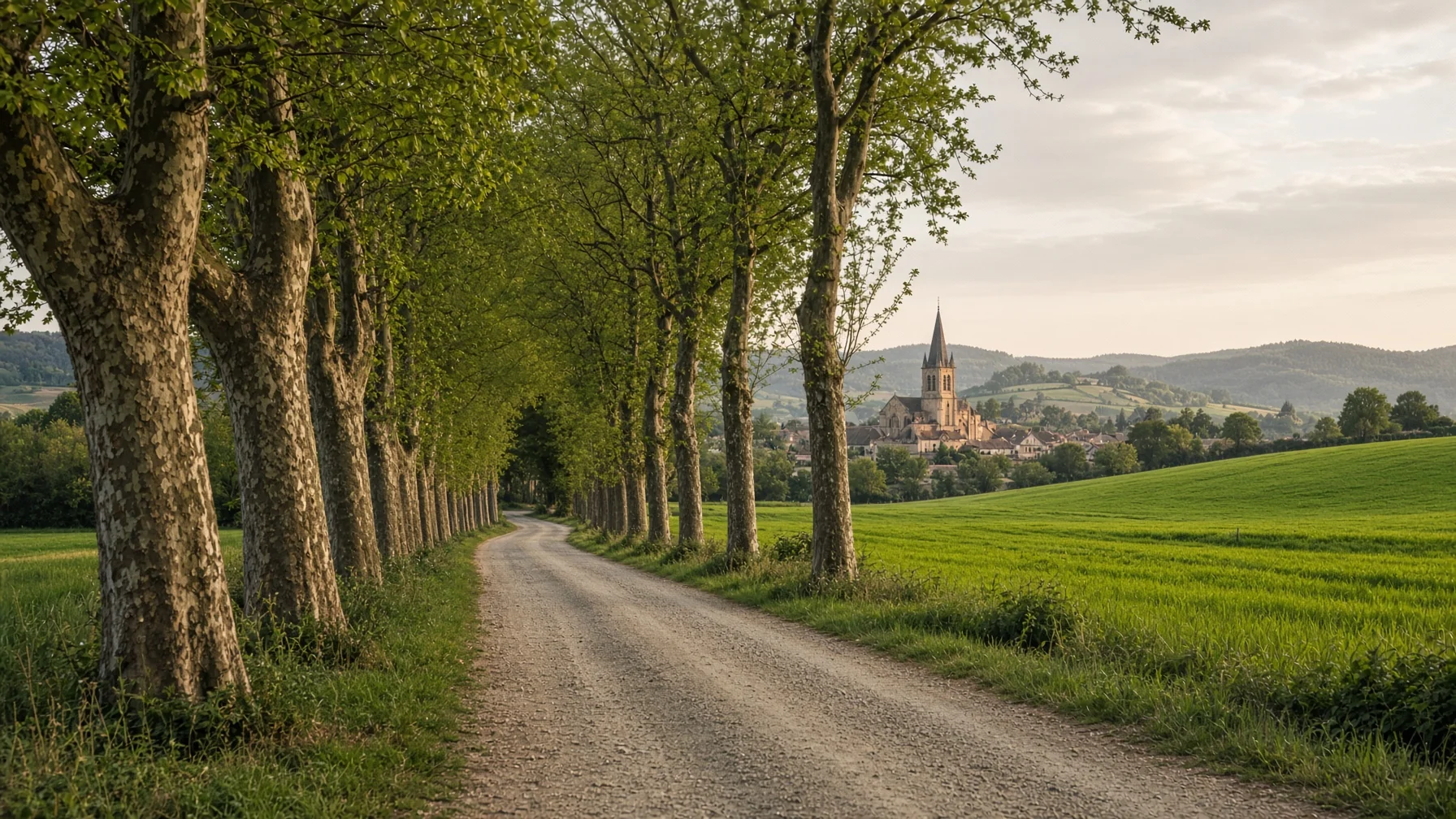
Inland France runs on harvest dates, not on weather averages, and each region hands its best weeks to a different crop.
In Provence, the Valensole lavender is in flower from late June into mid-July at low altitude and two to three weeks later on the higher plateaus, after which the fields are cut. It is a window of about three weeks that moves with the spring rainfall.
In Burgundy and the other wine regions, the vendange falls in September, occasionally late August in a hot year. The villages work around the clock, the cellars are busy rather than open, and the atmosphere is the reason to be there.
Next, October and November belong to the table: game, the first oil in the south, mushrooms in the centre, and the truffle markets opening in December.
In contrast, Normandy and the Atlantic north are summer propositions. They are at their best from June through early September, and the light in June, with the long northern evenings, is the reason to prefer it over August. For the countryside as a whole, the best time to visit France is whichever month the region in question is actually working.
The Southern Coast: A Holiday Calendar, Not a Weather One
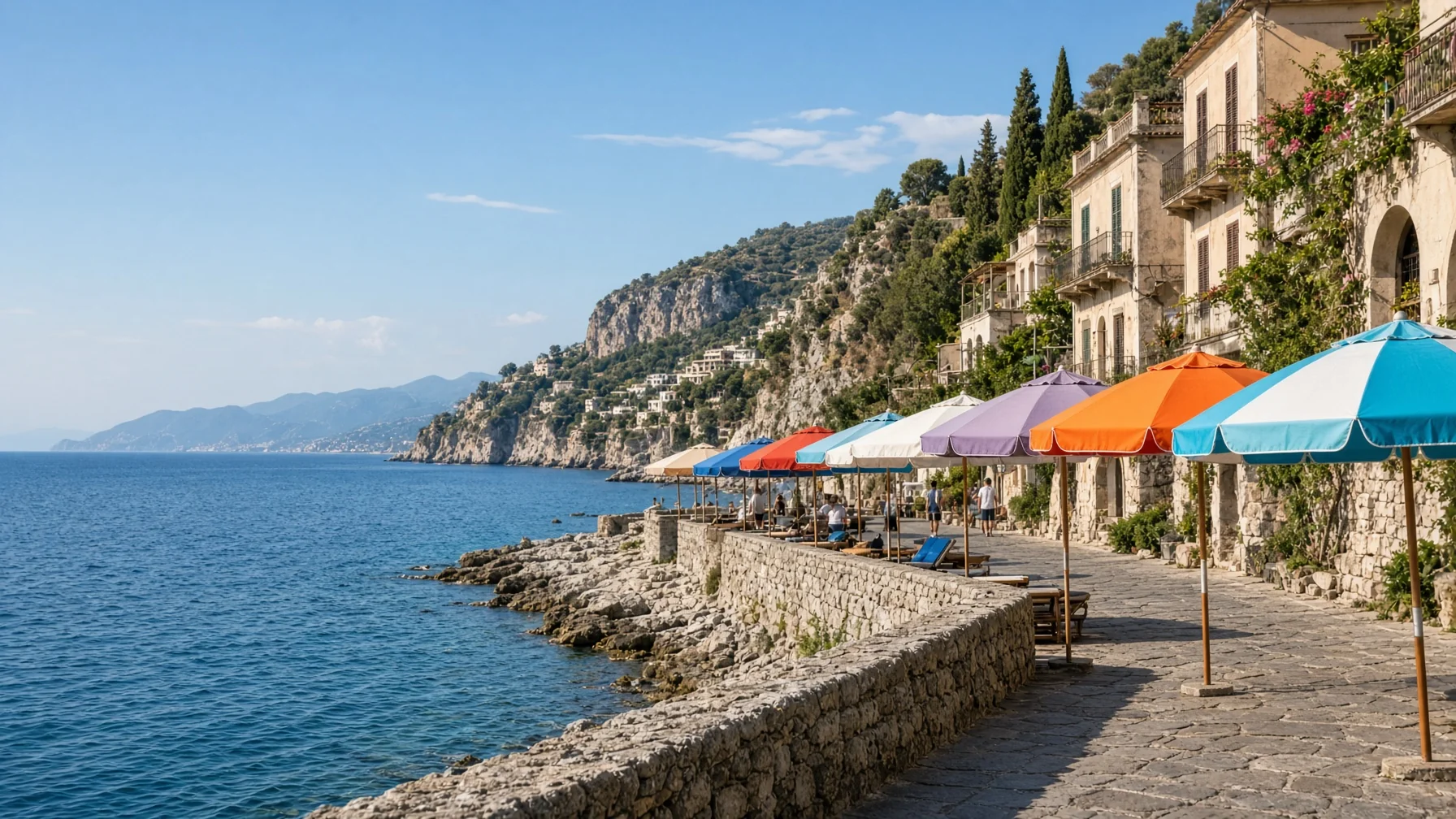
The Côte d’Azur has excellent weather from May to October, so weather is not the variable that decides the trip. Occupancy is.
July and August are the European holiday months, and the coast absorbs the whole continent. Roads onto the peninsulas queue, the beach clubs are booked out weeks ahead, and the coastal train and the corniche both slow to a crawl.
Meanwhile, May, June, late September and October deliver near-identical sea and air conditions with a fraction of the traffic. The sea is warmest in September, having absorbed the whole summer, and coldest in May despite the air being pleasant.
As a result, the best time to visit France for the south is almost never the high season. Early June and the last two weeks of September are the two windows that consistently outperform July and August on every measure except water temperature in the first case.
Beyond October the calculation changes again. The autumn rains arrive on the Mediterranean in late October and November, briefly and heavily, and the mistral can hold for three days at a time through the winter, which is why the coastal season closes earlier than the temperature alone would suggest.
The Dates That Block Availability
Several fixed dates remove availability across whole regions, and they are rarely visible until the search returns nothing.
The Cannes Film Festival occupies roughly twelve days in mid-May and the Monaco Grand Prix follows within the same fortnight. Between them they absorb the hotel stock from Saint-Tropez to Menton and congest the coastal road for the entire second half of the month.
Meanwhile, the Tour de France runs for three weeks in July across a route published the previous autumn. Wherever it passes, roads close for most of the day and rural accommodation is taken well in advance.
France school holidays matter more than visitors expect. The summer break runs from early July to the end of August, the Toussaint holidays take the last week of October and the first of November, and the February and April breaks are staggered across three zones over four weeks each.
In addition, May carries four public holidays and the long weekends that bridge them, which fill the countryside with domestic travelers on precisely the dates that look most attractive from abroad.
Because of this, the best time to visit France is often decided by what is already unavailable rather than by what the weather offers. Checking the school calendar and the event dates before choosing a month removes most of the disappointment from a French itinerary, and it costs nothing to do early.
Combining Two Regions: The Order That Works
Most multi-region journeys pair a city with either the countryside or the coast, and the order is not neutral.
From May to June, run the countryside or the coast first and finish in the capital. The south is at its most comfortable before the schools break, and Paris holds its form into late June.
From September to October, reverse it. Start in the capital while the cultural season opens, then move south, where the sea stays warm into October and the harvest is under way inland.
Therefore, July and August call for a single region rather than a combination. Distances are the same but the roads, trains and airports are not, and a journey that moves twice in high summer loses two days to transit.
Finally, the shortest answer to the best time to visit France across all three calendars is the second half of June and the second half of September. For official regional information, see https://www.france.fr
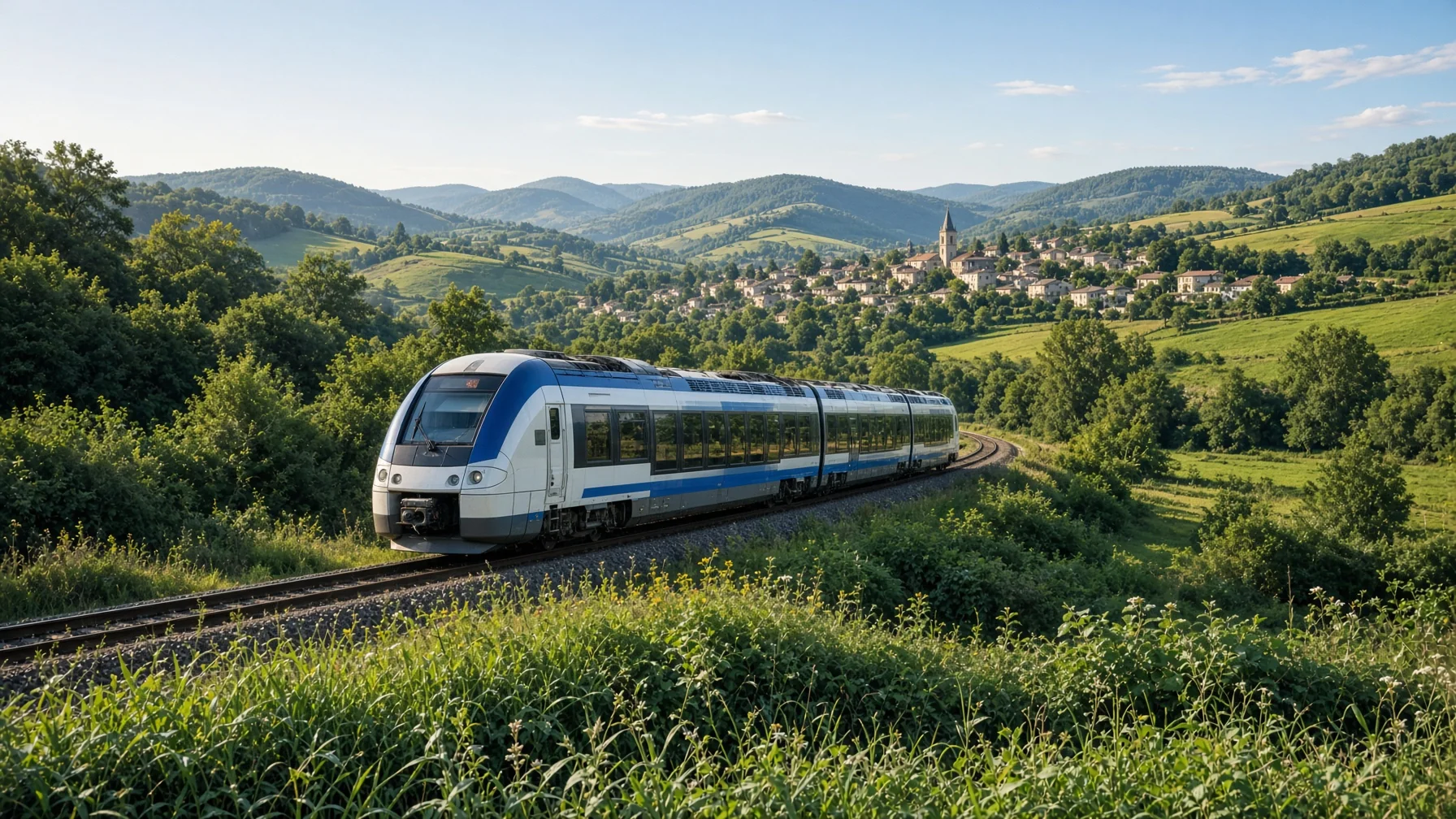
Terraces in the capital, cut fields inland, and a coast that empties in the same week
Signature Experiences
- Long June evenings on a Paris terrace before the schools break
- Empty winter galleries in the capital between January and March
- Lavender in flower on the Valensole lavender plateau in early July
- Cellars mid-harvest during the vendange in Burgundy
- First-press olive oil in Provence in late autumn
- Northern light over Normandy in the long June evenings
- September swimming on the Côte d’Azur at its warmest
- Truffle markets in the south from December
- A stage of the Tour de France from a village on the route
- Quiet coastal roads in the first week of October
Ready to Begin the Journey?
France is three seasons running in parallel rather than one. At Escape Xperts, we time each leg against its own calendar and hold availability before the fixed dates close it, combining seamless logistics, private guiding and curated exploration across the country.
Why Time Your French Journey with Escape Xperts
France is not a country with a high season. It is a capital, a countryside and a coastline that peak at different moments and empty at different moments, with a handful of fixed dates that remove whole regions from the map without notice. At Escape Xperts, we plan the best time to visit France leg by leg, then set the order so that each one is seen in its own month.