Best overall windows: April to early June · mid-September to October
Summer answer: The northern coast, not the south
Country: Spain
Calendars covered: Andalusia · The meseta · The green coast · The islands
Best Time to Visit Spain: Two Countries, Two Calendars
The best time to visit Spain is April to early June or mid-September to October for most of the country, and July to September for the northern coast. Those two answers contradict each other, which is the point: Spain is not one climate but at least three, and they peak in opposite months.
The south is Mediterranean and, in high summer, genuinely extreme. The central plateau is continental and swings hard in both directions. The northern strip is Atlantic, green and mild, and it behaves like a different country entirely.
At Escape Xperts, we plan Spanish journeys by matching the region to the month rather than the month to the trip, which is what keeps an August itinerary comfortable.
The South: Spring, Autumn and Two Months to Plan Around
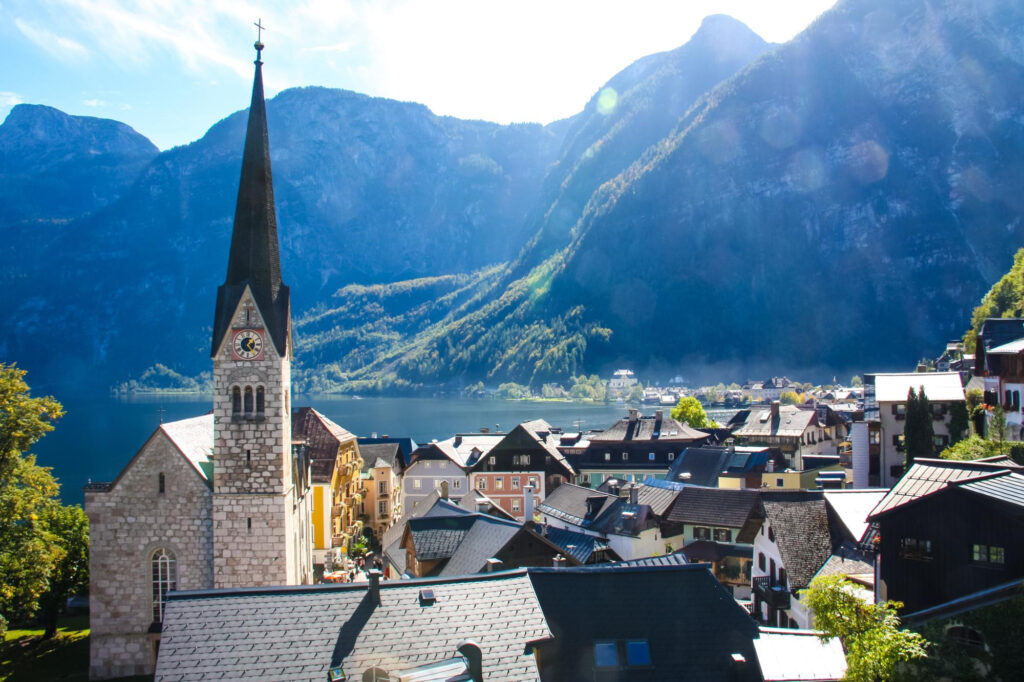
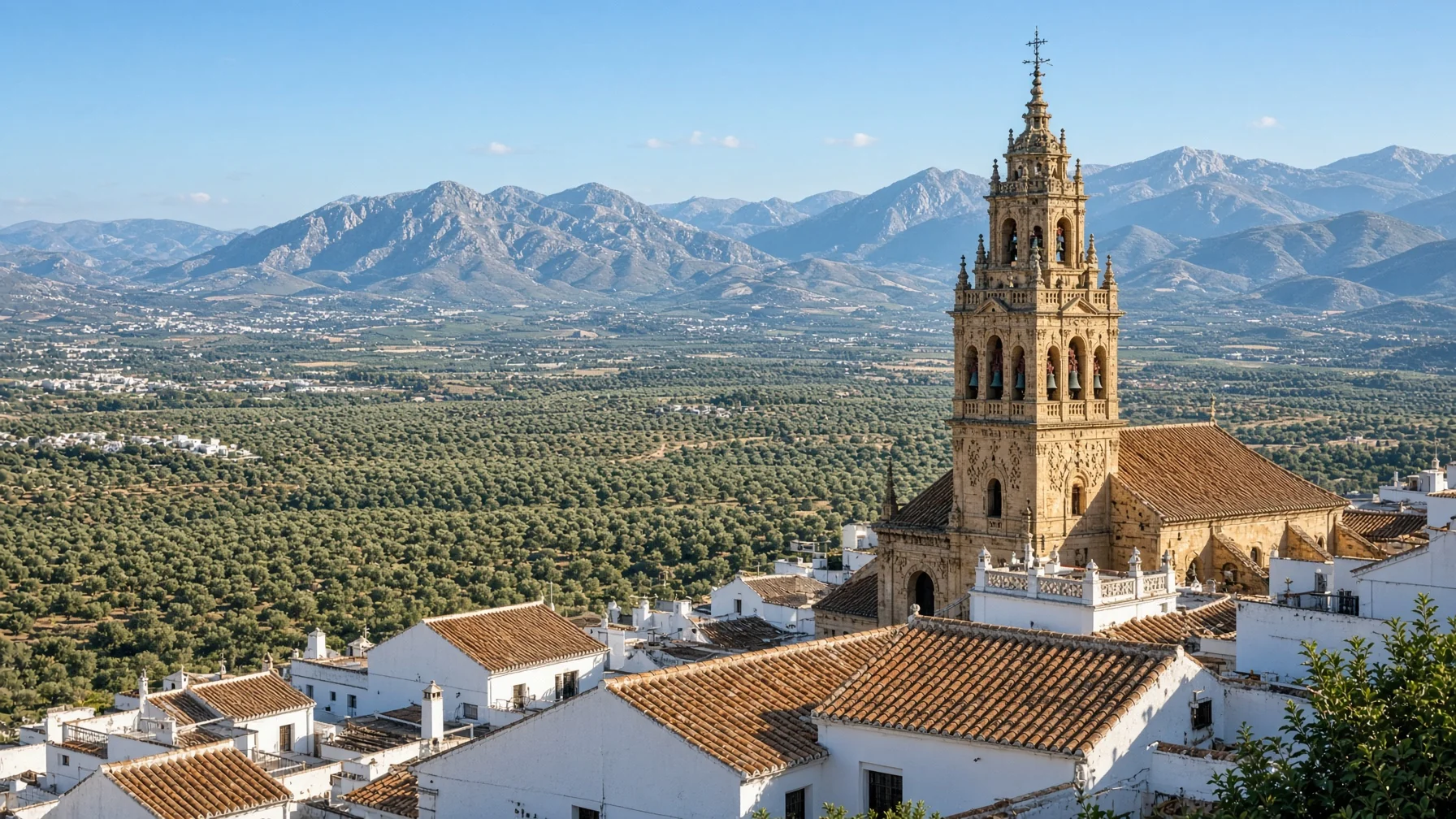
Andalusia is at its best in April, May, October and the first half of November. The countryside is green in spring, the courtyards are open, the orange trees are in flower, and the light is at its clearest.
July and August are a different proposition, and it is worth being precise rather than anecdotal. Seville and Córdoba sit in the Guadalquivir valley, enclosed by hills, and regularly record afternoon temperatures above forty degrees for consecutive weeks. Sightseeing between midday and six in the evening is not practical.
Therefore, summer travel in the south is possible only if the day is inverted: monuments at opening, a long interior afternoon, and the city resumed after eight, which is precisely how residents use it. The alternative is the coast, where the sea moderates everything.
Meanwhile, winter in the south is underrated. December to February bring cool bright days, no queues at all and a clarity that summer haze removes, and the interior cities are at their most workable.
Because of this, the best time to visit Spain for the south is the widest of any region except for a single hard exclusion in the deep summer weeks.
The Meseta: The Continental Middle
The central plateau sits between six and eight hundred meters above sea level and has no coast to soften it, which produces the sharpest seasonal swing in the country.
Its summers are dry and severe, its winters cold and clear, and the transitions are short. May, June, late September and October are the reliable months, and they are reliable in a way the coast is not, because rainfall inland is low year round.
Next, August behaves differently here than anywhere else. The cities empty as residents leave for the coast, and while the museums stay open, a share of the restaurants and neighborhood life closes for several weeks.
In addition, the plateau is where the Camino de Santiago is hardest in summer, crossing open country with little shade. Walkers who can choose take May, early June or September instead.
As a result, the interior rewards the same shoulder months as the south, for entirely different reasons: not heat and crowds, but heat and absence.
Finally, the walled towns of the plateau are at their most striking in winter, when the stone holds frost in the mornings and the surrounding country is empty. For travelers who do not need warmth, the best time to visit Spain inland is the cold half of the year.
The Green Coast: What to Do With a Spanish Summer
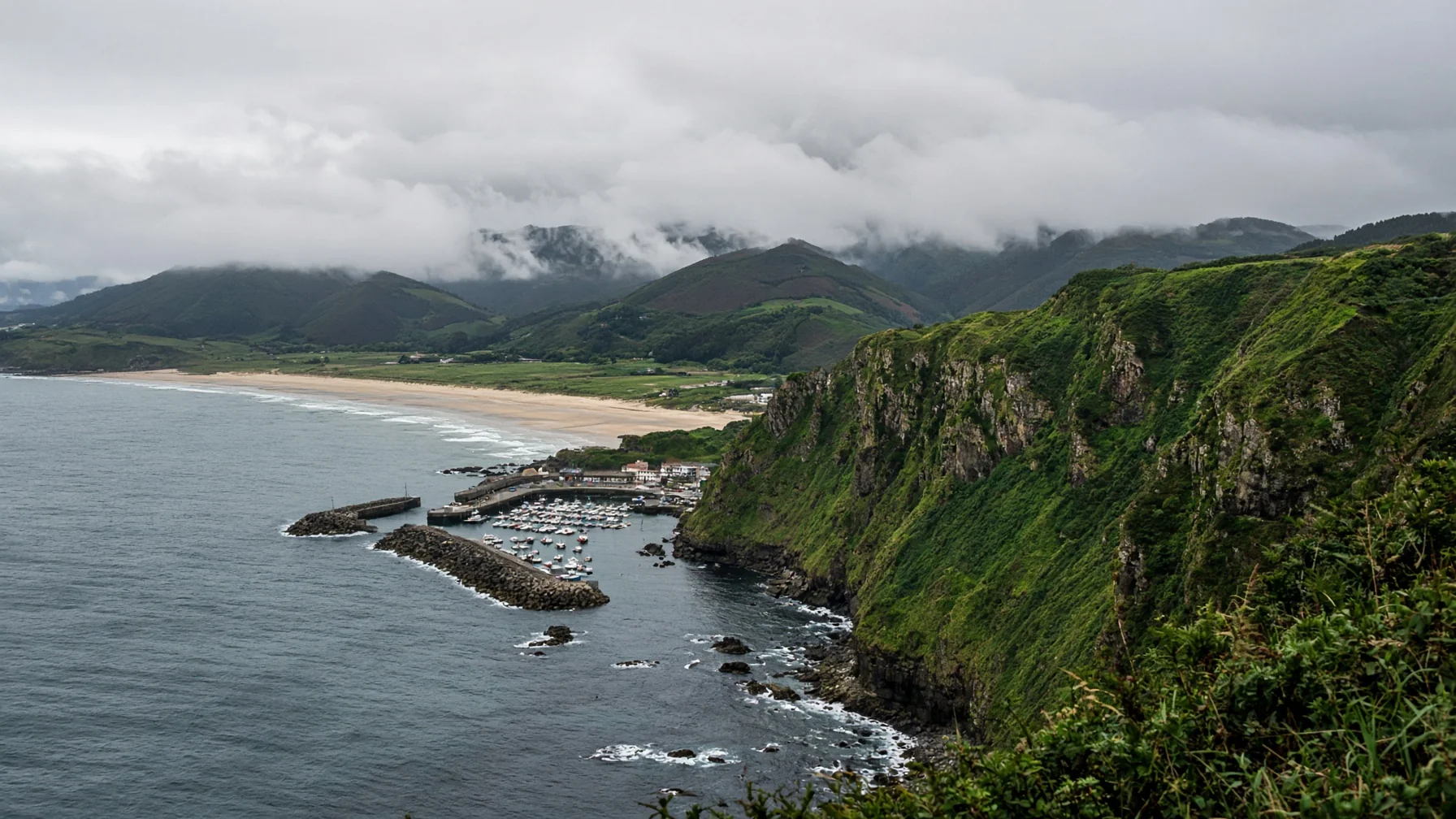
The northern strip from the Basque Country through Asturias to Galicia is the answer to the question the rest of the country cannot solve.
Here the climate is Atlantic: mild, humid and green, with rain distributed across the year and summer temperatures rarely passing the high twenties. July, August and September are the season, which puts the north exactly out of phase with the south.
San Sebastián is at its best from late June to mid-September, with long evenings, a working beach in the middle of the city and the densest concentration of serious kitchens in Europe by population.
Meanwhile, the Picos de Europa behind the coast are accessible from June to September, with the high passes clear and the valleys walkable, and they are an hour from the sea.
In addition, the north carries a caveat that the brochures leave out. Rain is possible in any month, arrives quickly and passes quickly, and the light between showers is the reason painters have worked this coast for a century. It is not a climate for guaranteed beach weeks.
Therefore, the best time to visit Spain in July and August is the north, and a summer itinerary that starts in the south and ends on the Cantabrian coast solves its own problem.
The Dates That Remove Availability
Several fixed events absorb the entire hotel stock of their regions, often a year in advance, and they move with the church calendar rather than the civil one.
Semana Santa falls in March or April depending on the year and is the single largest blocking date in Spain. In Seville, Málaga and much of the south, the processions run for a full week, the city centres are closed to traffic, and the good hotels are committed months or years ahead.
The Feria de Abril follows roughly two weeks after Easter in Seville, taking another week of the calendar with the same effect on availability.
In the north, the picture is inverted: the Basque festival weeks fall in August, and San Sebastián’s Semana Grande fills the city in the middle of the month.
Next, autumn brings the La Rioja vendimia, with the harvest through September and the wine festivals around the equinox filling the small towns of the region for a fortnight.
Because of this, the practical rule is to fix the dates before the destinations. In best time to visit Spain terms, an unavailable April week is worth more information than a comfortable forecast.
The Islands and the Winter Question
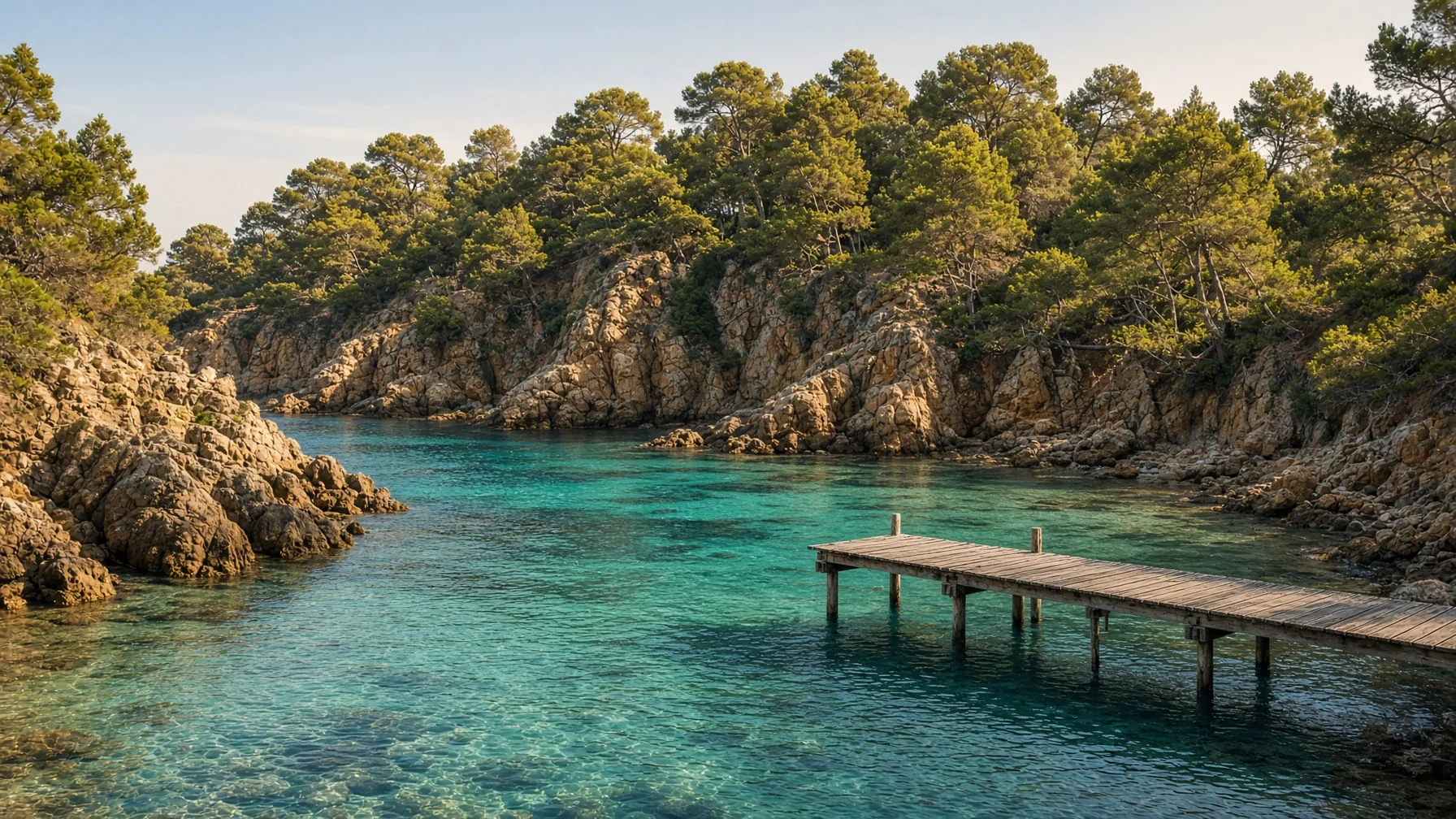
The islands run on two entirely separate calendars, and neither matches the mainland.
Mallorca and the Costa Brava are Mediterranean and follow the same logic as the southern coast: May, June, September and October are the strongest months, with the sea at its warmest in September and the hill walking only comfortable outside high summer.
In contrast, the Canary Islands sit off the African coast and have almost no seasonal variation at all, holding low twenties through the winter. They are the one part of Spain that is at its best from November to March.
Finally, the country’s shape on a calendar is simple once it is seen whole: spring and autumn for the interior and the south, summer for the north, winter for the Atlantic islands. For official regional information, see https://www.spain.info
Orange courtyards in April, Atlantic light in August, and a plateau that empties in between
Signature Experiences
- Courtyards in flower across Andalusia in April
- Interior afternoons and late evenings in Seville in high summer
- Clear winter light on the southern monuments without queues
- Open plateau walking on the Camino de Santiago in early June
- Long September evenings in San Sebastián
- High passes of the Picos de Europa from June to September
- Night processions during Semana Santa in the south
- The fairground week of the Feria de Abril
- Cellars mid-harvest during the La Rioja vendimia
- September sea on the Costa Brava and in Mallorca
- Winter warmth in the Canary Islands when the mainland closes
- Coastal walking in the Basque Country in late summer
Ready to Begin the Journey?
Spain rewards travelers who move with its climates rather than against them. At Escape Xperts, we place each region in the month that suits it and secure the weeks that the festival calendar closes early, combining seamless logistics, private guiding and curated exploration.
Why Time Your Spanish Journey with Escape Xperts
Spain is routinely planned as a warm country with a single season, which is how travelers end up in a forty-degree valley in July and on a rainy northern beach in April. At Escape Xperts, we read the best time to visit Spain region by region and set the route so that each part of the country is seen in the months it was built for.