Best overall windows: April to June · September to mid-October
Single best fortnight: The Douro harvest, mid-September onward
Country: Portugal
Calendars covered: Atlantic coast · Interior · Douro · Madeira & the Azores
Best Time to Visit Portugal: The Coast and the Interior Disagree
The best time to visit Portugal is April to June or September to mid-October, and within that, the single strongest fortnight of the year falls in the Douro Valley during the harvest. Portugal is narrow enough to look like one climate on a map and is in fact two.
The Atlantic edge is moderated by cold ocean water and wind, which keeps its summers bearable and its winters mild. Fifty kilometers inland that moderation disappears, and the valleys run twelve to fifteen degrees hotter on the same afternoon.
At Escape Xperts, we plan Portuguese journeys against those two calendars, and around one agricultural event that outranks the weather entirely.
The Two Portugals: Ocean and Interior
The Atlantic is cold on this coast, and its influence is the defining feature of the Portuguese climate.
Lisbon holds comfortable summer temperatures and a reliable afternoon sea breeze that arrives in the early afternoon and lasts into the evening. Porto, further north, is milder still and considerably wetter, with rain distributed through the winter half of the year.
In contrast, the Alentejo and the interior valleys are continental in everything but name. July and August regularly pass forty degrees on the plains, the cork oaks provide the only shade for kilometers, and midday travel is not practical.
Meanwhile, the interior compensates in spring. From March to May the Alentejo is green, covered in wildflowers, and the cork and olive country is at its best before the heat sets in.
Therefore, the best time to visit Portugal depends on the elevation and the distance from the water more than on the month itself.
The Vindima: The Best Weeks of the Portuguese Year
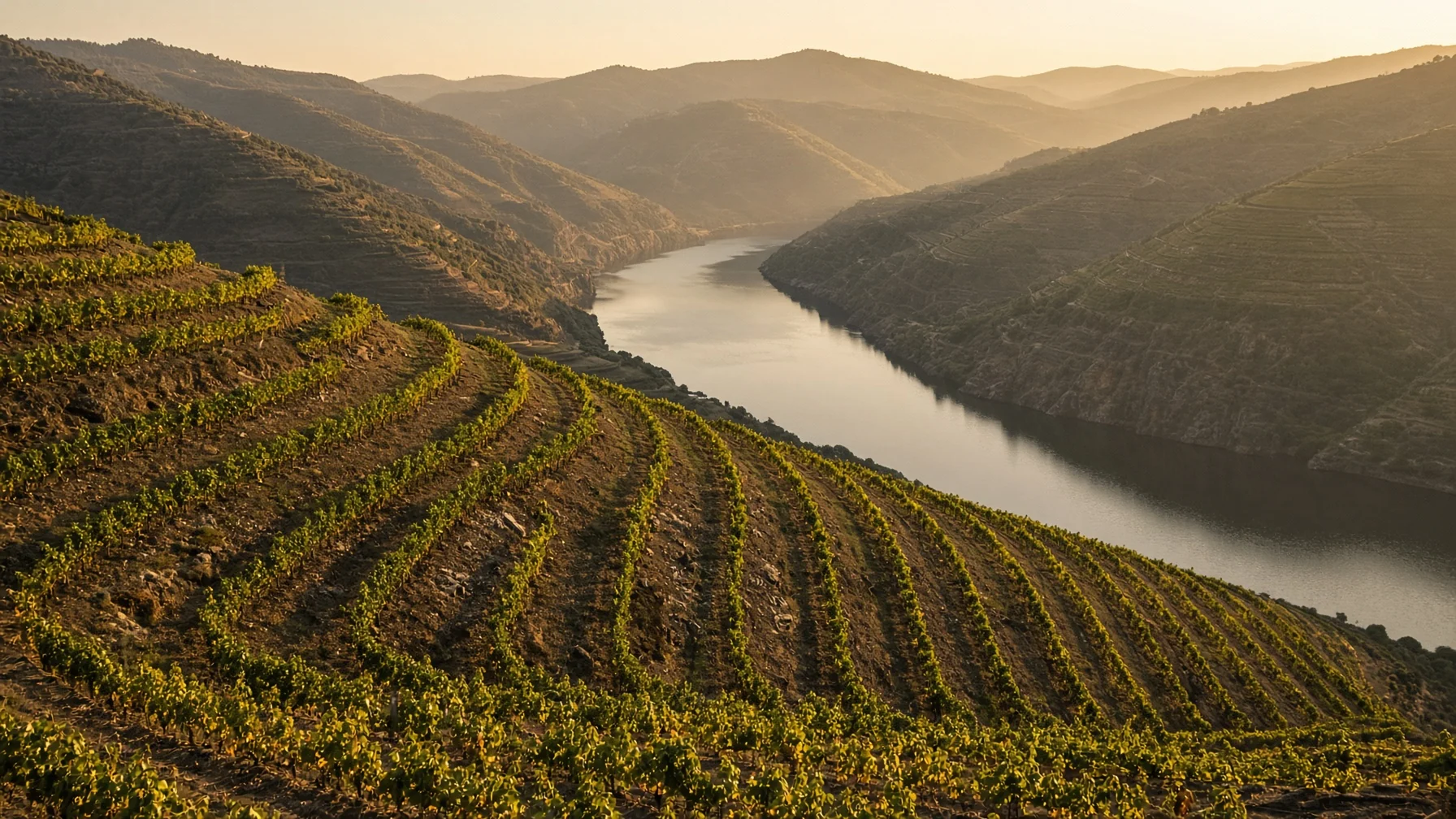
The vindima in the Douro runs from mid-September into October, and it is the one date in the Portuguese calendar that justifies planning a trip around it.
The valley is the oldest demarcated wine region in the world, cut into schist terraces so steep that the fruit is still picked and carried by hand. During harvest the quintas work from first light, the roads fill with tractors and baskets, and several estates still tread the fruit by foot in granite tanks in the evening.
Here, the practical detail matters. Visitors can participate at a number of estates, but tastings and tours are reduced during the working weeks because the teams are in the vineyards, and the rooms in the valley are committed months ahead.
Quinta do Vallado above Peso da Régua is among the oldest estates in the region and keeps rooms on the property, while Six Senses Douro Valley occupies a restored nineteenth-century manor on a bend of the river above the vines.
Next, the weather in September cooperates. The valley cools from its summer extremes into the high twenties, the light turns long and gold across the terraces, and the vines begin to color from the end of the month. The valley is also travelled by water, which is a different journey and a different article.
Because of this, the harvest weeks need to be booked before anything else in the itinerary. Everything else in Portugal has alternatives; the best time to visit Portugal for the Douro is a fortnight that cannot be moved.
The Atlantic Coast Through the Year
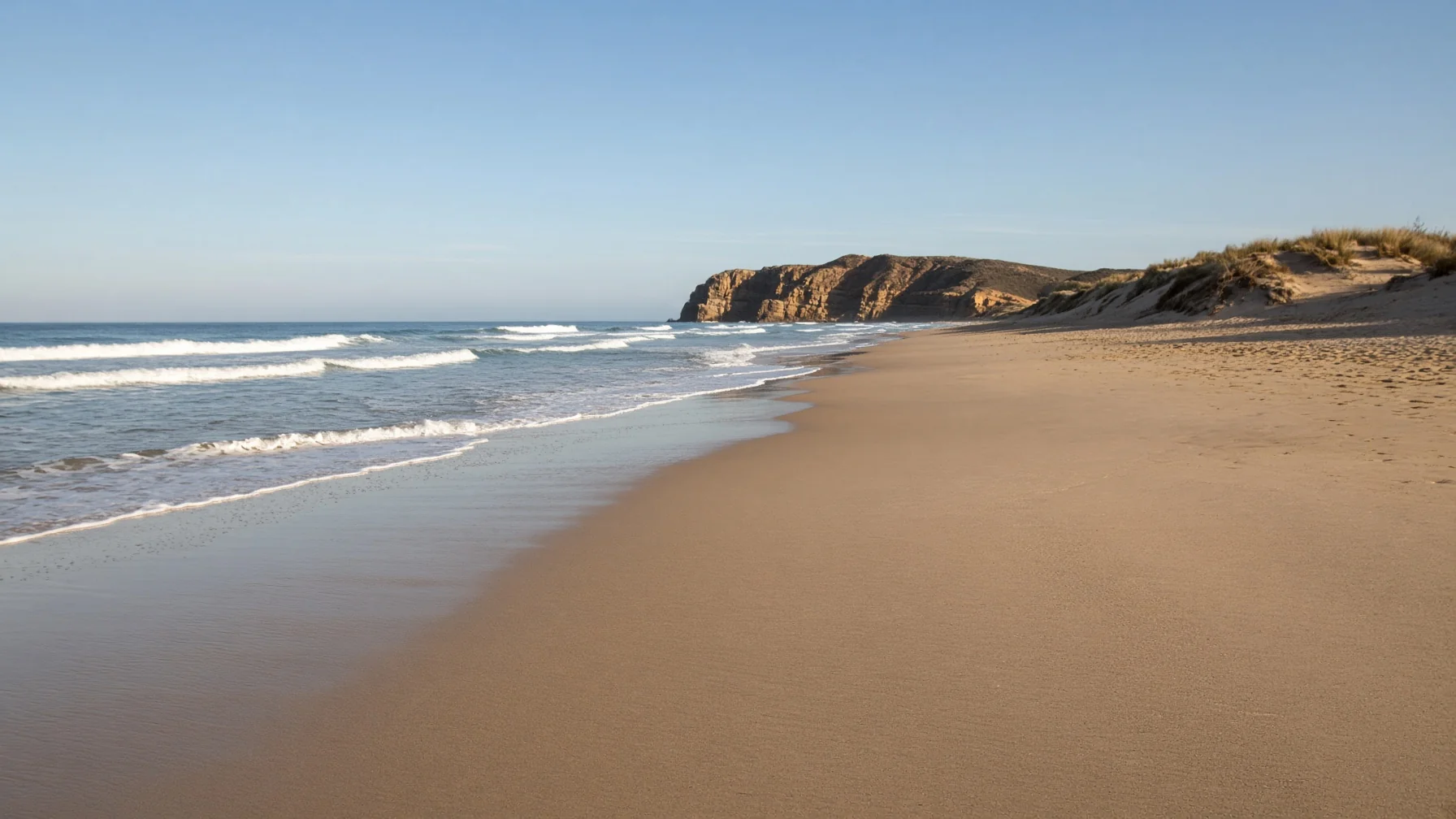
The coast is the part of the country most often misjudged, because air temperature and water temperature are not related here.
The ocean stays cold year round. Even in August the water off Lisbon and the western Algarve rarely passes twenty degrees, and the southern-facing Algarve beaches are the warmest by several degrees, which is why they carry the season.
Meanwhile, July and August fill the entire coastline. The Algarve absorbs the Northern European holiday market and Portuguese families take August, so the beach towns run at capacity for six weeks.
In addition, the Atlantic swell is a seasonal event in its own right. From October to March the winter systems send large waves onto the western coast, and the deep canyon off Nazaré produces the biggest surfable waves recorded anywhere, drawing a small crowd of specialists through the winter.
As a result, the coast has two seasons rather than one: a swimming season from June to September, and a spectacle season from late autumn through winter. For the best time to visit Portugal by the sea, June and September carry the fewest compromises.
Madeira and the Azores: Two Separate Calendars
The islands sit far enough into the Atlantic to run on their own terms, and they do not agree with each other.
Madeira is subtropical and remarkably stable, holding the high teens and low twenties through the year, which makes it one of the few European destinations that works in January. Its levada walks are best in spring, when the water channels run through a landscape in flower.
In contrast, the Azores are Atlantic and changeable. Their summer, from late June to September, is the settled season, while the whale and dolphin migration peaks between April and June, when the weather is less reliable but the water is at its busiest.
Because of this, the islands extend the Portuguese calendar at both ends. They cover the winter months that the mainland loses and the shoulder weeks when the interior is still cold. For a January departure, the best time to visit Portugal question has only one answer, and it lies six hundred kilometers offshore.
The Year in Order
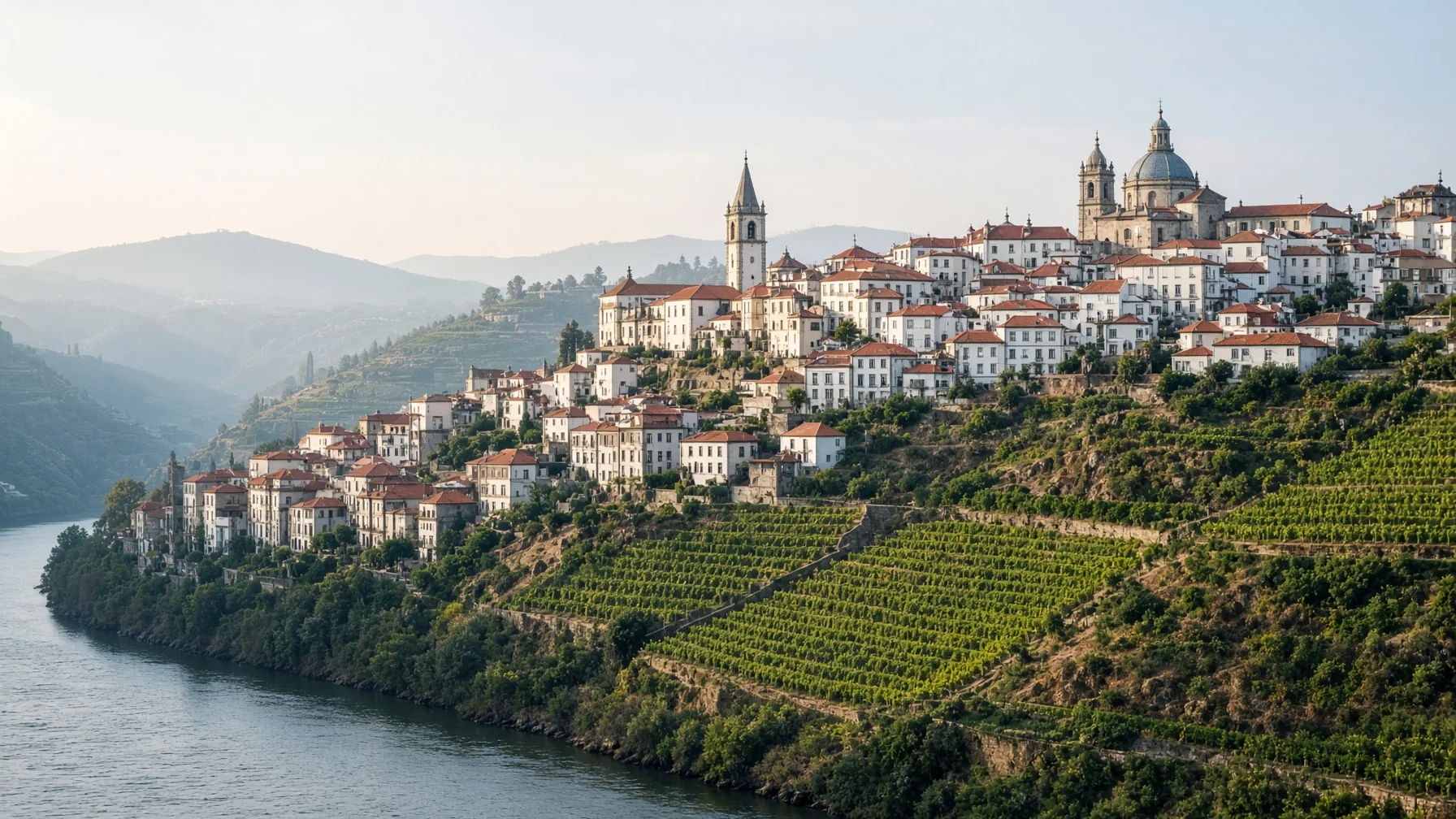
Set out month by month, the country resolves into a clear sequence.
January and February belong to Madeira and to the empty cities. March and April open the interior, with the Alentejo green and Sintra at its most atmospheric in the hill mist. May and June are the strongest all-round months: warm, long-lit, and ahead of the crowds, with the June street festivals filling the northern cities.
July and August are the coast and the islands, with the interior and the Douro too hot for comfortable travel. September is the outstanding month of the year, opening with the harvest and holding warm sea temperatures.
Meanwhile, October keeps the harvest through its first half, and the light across the terraces is at its best. November and December turn wet on the coast and quiet everywhere, which is the season for the cities and the table rather than the landscape.
Finally, the shortest answer is that the best time to visit Portugal is the second half of September, and that everything else depends on which half of the country is on the itinerary. For official regional information, see https://www.visitportugal.com
Cold ocean, hot terraces, and a fortnight in September that outranks the forecast
Signature Experiences
- Hand-picked harvest weeks in the Douro Valley
- Foot treading in granite tanks during the vindima
- Terraced vines and river bends from Quinta do Vallado
- September evenings above the valley at Six Senses Douro Valley
- Wildflower plains and cork oaks across the Alentejo in spring
- Hill mist and palace gardens at Sintra
- Evening sea breeze in Lisbon through high summer
- Winter Atlantic swell on the western coast
- Southern-facing beaches of the Algarve in June
- Levada walks in flower across Madeira
- Whale migration off the Azores from April
- Quiet winter mornings in Porto
Ready to Begin the Journey?
Portugal is a country where one fortnight outperforms the rest of the year. At Escape Xperts, we build the itinerary around the harvest and the two climates that divide the country, combining seamless logistics, private guiding and curated exploration from the coast to the terraces.
Why Time Your Portuguese Journey with Escape Xperts
Portugal is small enough to be planned as a single season and behaves as two: a cold ocean edge that stays mild all year, and an interior that becomes unworkable in high summer and extraordinary in September. At Escape Xperts, we read the best time to visit Portugal against the harvest calendar first, then place the coast and the islands around it.