Duration: 12 days
Best months: November to March
Country: Antarctica
Region: Ushuaia · Drake Passage · South Shetland Islands · Antarctic Peninsula · Lemaire Channel
An Antarctic Peninsula Cruise from Ushuaia to the White Continent
This antarctic peninsula cruise is a twelve-day expedition from Ushuaia through the Drake Passage to the Antarctic Peninsula — a voyage built around science, wildlife, and ice aboard ships carrying fewer than 200 passengers. The distinction matters: only vessels under this threshold are permitted to make landings under IAATO regulations. https://iaato.org/
Antarctica is not a destination in the conventional sense. There are no hotels, no ports, no infrastructure. As a result, this antarctic peninsula cruise is defined by the ship itself — part transport, part research platform, part observation base — and by the naturalists who interpret what appears outside its windows.
Ushuaia and the Edge of the World
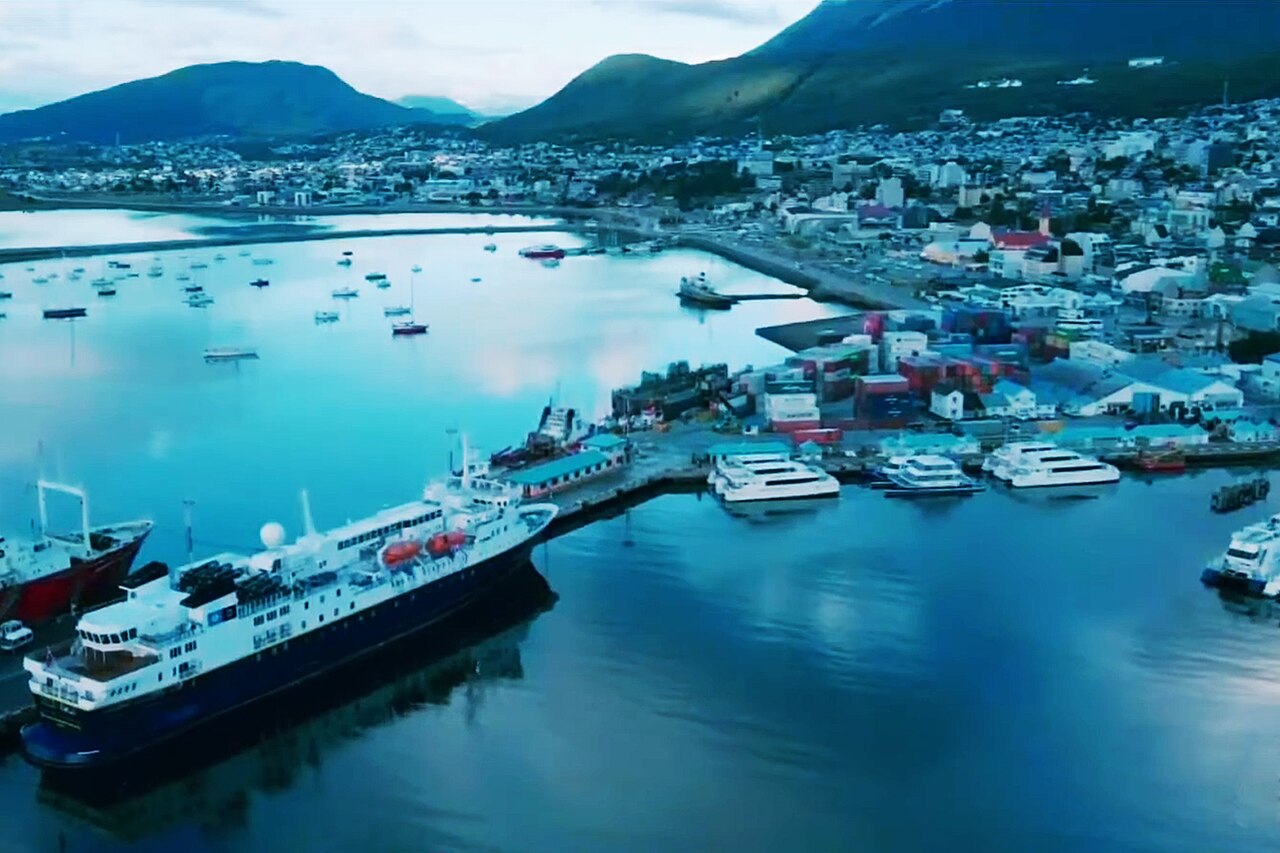
The journey begins in Ushuaia, the southernmost city in the world, at the tip of Argentine Patagonia. The harbor serves as the staging point for nearly all Antarctic expeditions. Briefings begin aboard the ship before departure, covering biosecurity protocols, zodiac procedures, and wildlife observation guidelines.
From the start, the antarctic peninsula cruise establishes its operational character — this is an expedition, not a leisure voyage.
Drake Passage and the Southern Ocean
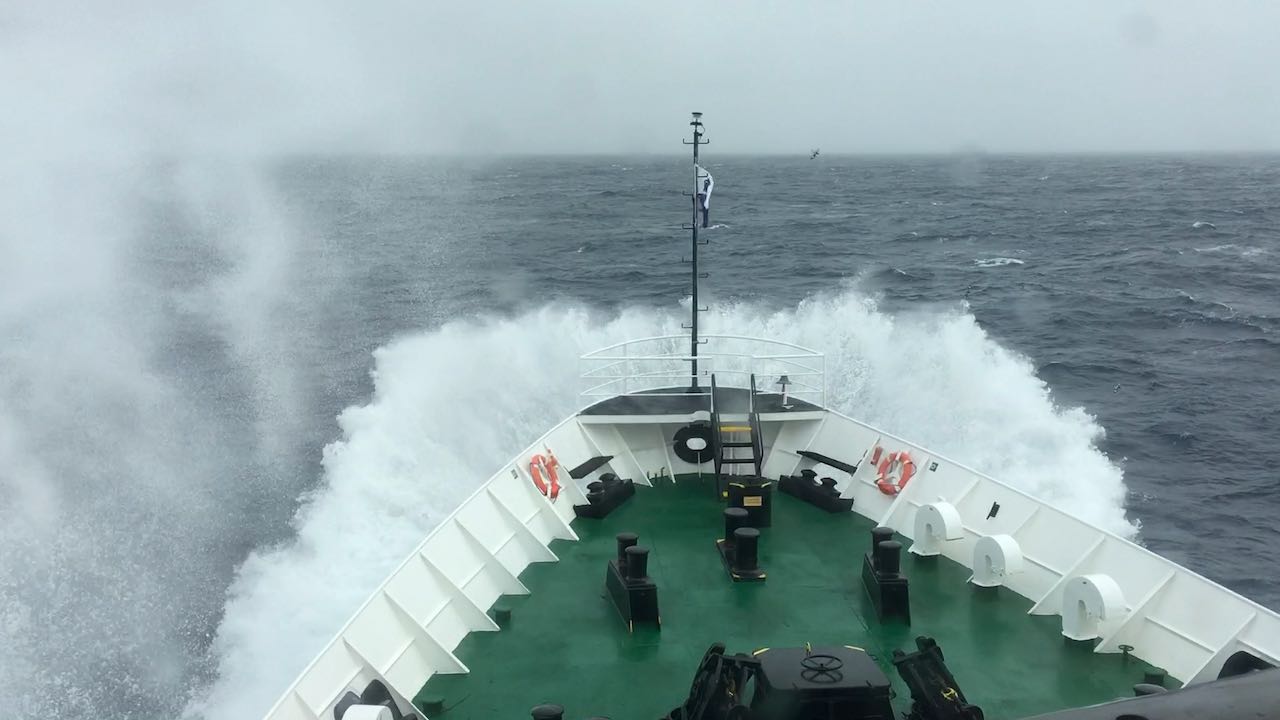
The Drake Passage crossing takes approximately 48 hours and is part of the experience, not an obstacle to endure. The Southern Ocean between Cape Horn and the South Shetland Islands is among the most biologically productive waters on Earth. Albatross, petrels, and whale sightings are common during the crossing.
Meanwhile, onboard lectures from expedition naturalists cover glaciology, marine biology, and the Antarctic Treaty System. Because of this immersive preparation, the Drake crossing transforms from transit into the intellectual foundation of the antarctic peninsula cruise.
South Shetland Islands and First Landings
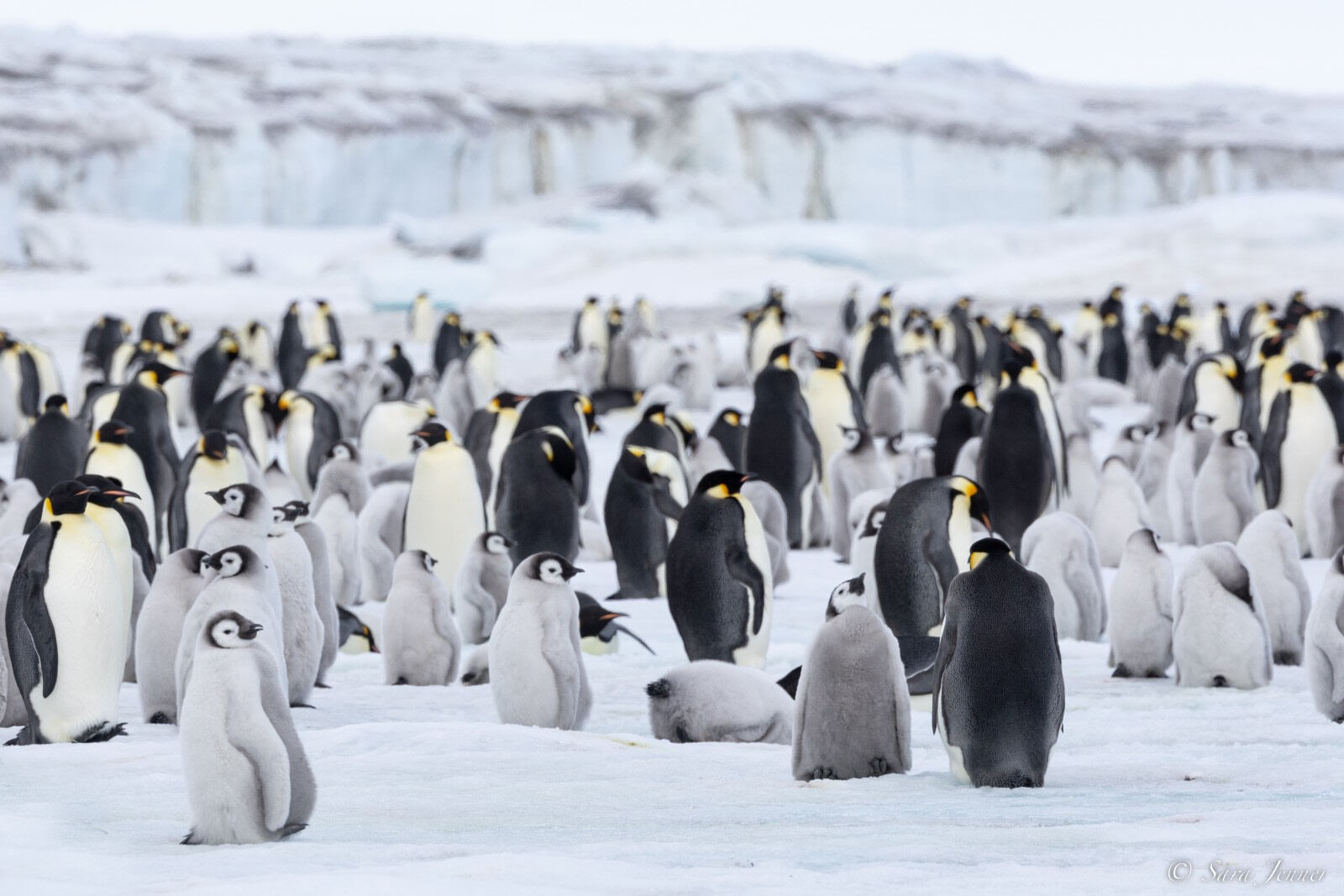
The South Shetland Islands provide the first Antarctic landings. Deception Island — a flooded volcanic caldera where the ship sails through a narrow gap into the interior — is one of the most geologically dramatic arrivals in polar travel.
Penguin colonies, fur seals, and volcanic hot springs coexist on these islands. In addition, abandoned whaling stations offer a layer of industrial archaeology. This stage introduces the Antarctic ecosystem before the Peninsula itself.
Antarctic Peninsula and Lemaire Channel
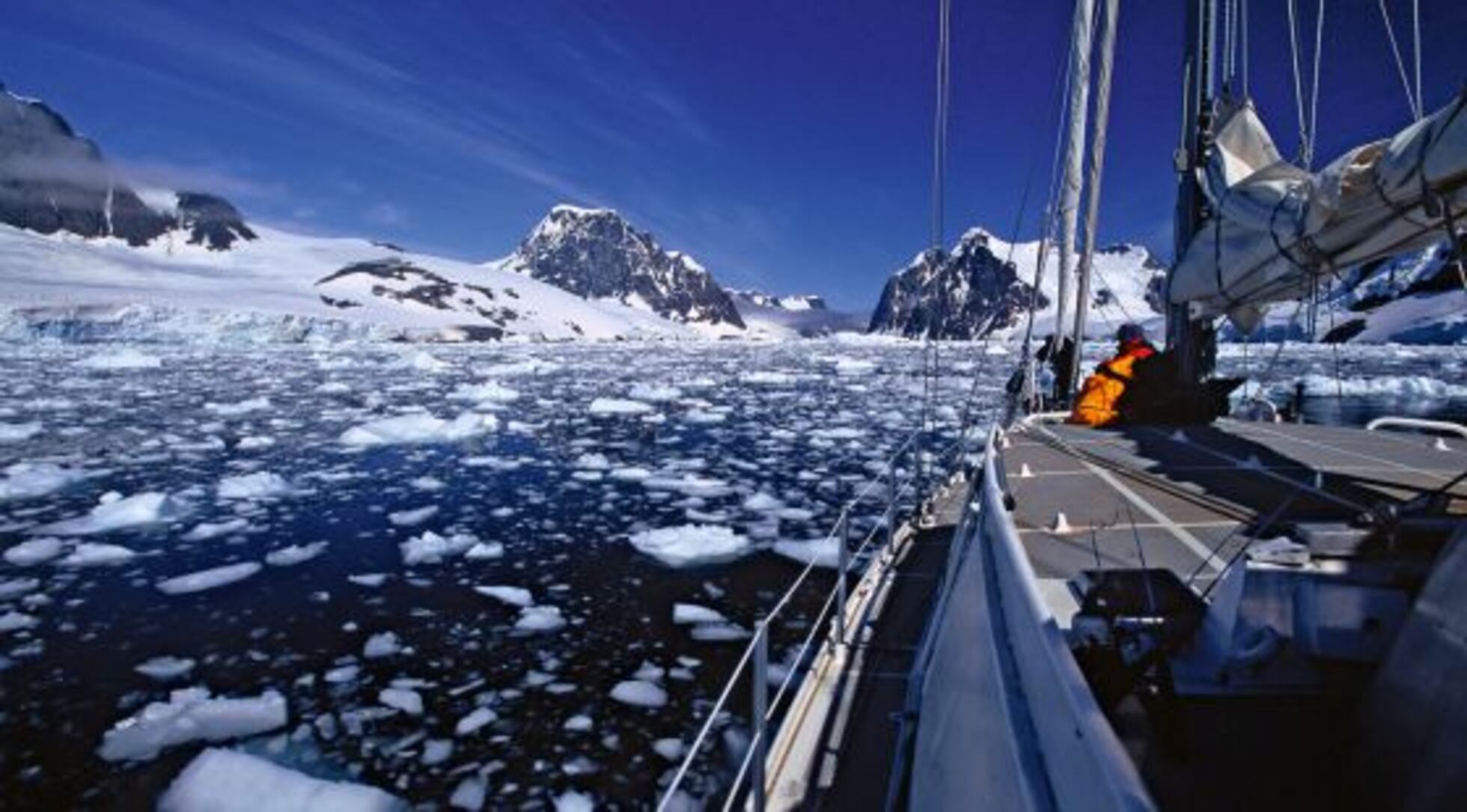
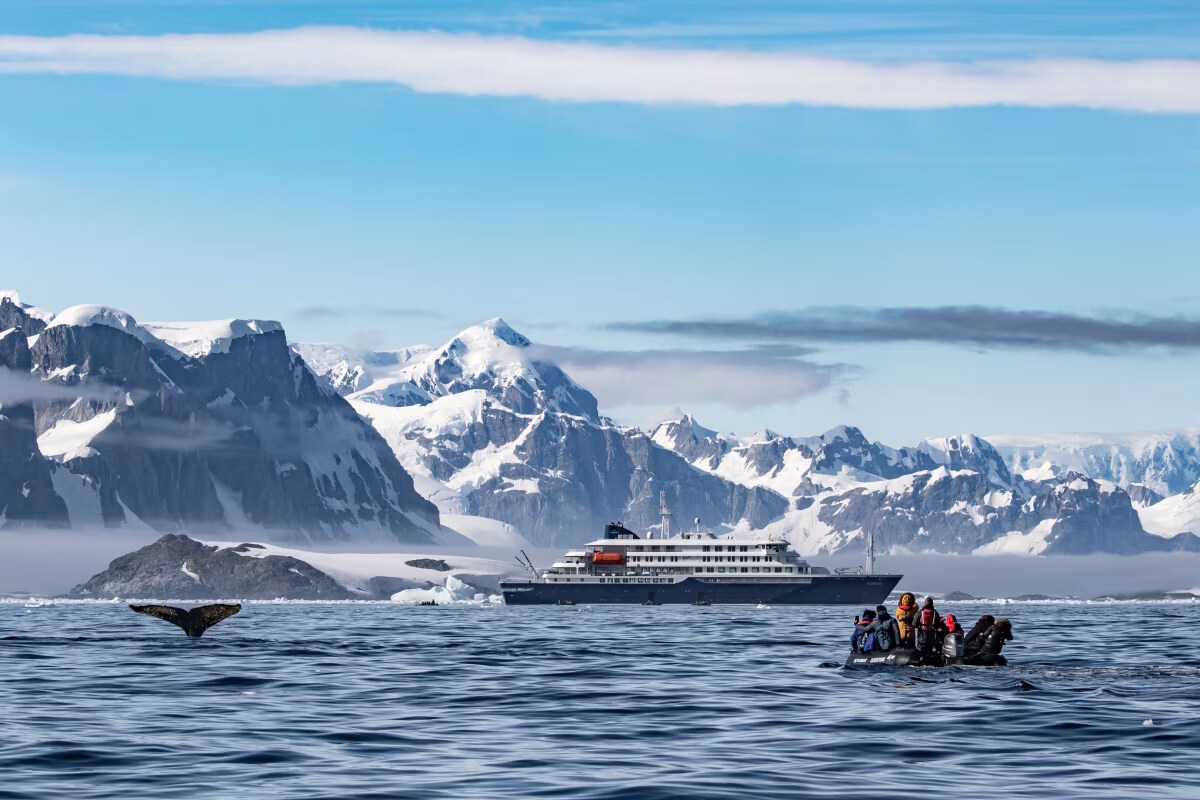
The Antarctic Peninsula is the climactic phase. Paradise Bay offers continental landings where gentoo and chinstrap penguins nest in colonies of thousands. Zodiac excursions navigate between icebergs, and kayaking is available on select departures with Ponant, Quark Expeditions, and National Geographic Lindblad.
The Lemaire Channel — a narrow passage flanked by vertical ice walls — is the most photographed corridor in Antarctica. Therefore, this stage delivers the visual and emotional climax of the antarctic peninsula cruise.
The Return and the Polar Reflection
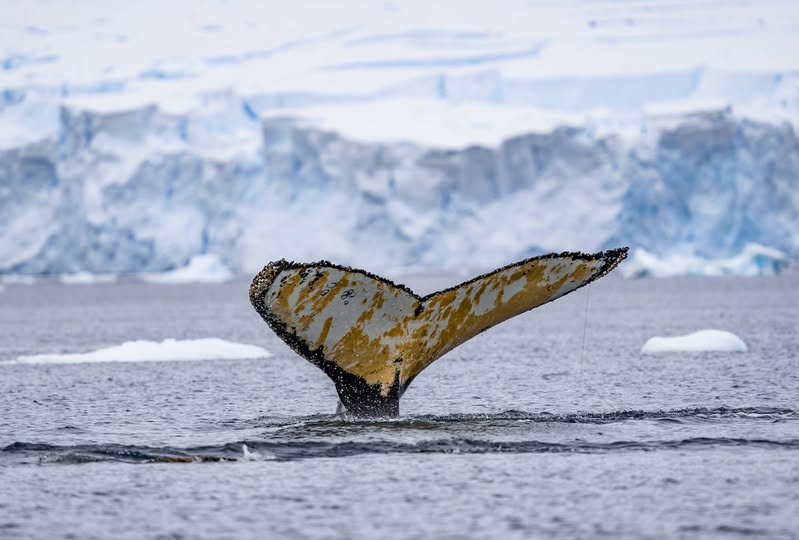
Next, the ship begins the return crossing of the Drake Passage. HX and other expedition operators use this time for naturalist wrap-up sessions, photography workshops, and citizen science debriefs.
The return to Ushuaia completes a cycle that most travelers describe as transformative. Because of this intensity, the antarctic peninsula cruise does not end at the dock — it ends when the landscape finally stops replaying in memory.
Calving glaciers, penguin colonies, and the silence of the seventh continent
Signature Experiences
- Departing from Ushuaia at the southern tip of Patagonia
- Crossing the Drake Passage with onboard naturalist lectures
- Sailing into the volcanic caldera of Deception Island
- First penguin colony encounters on the South Shetland Islands
- Continental landing at Paradise Bay on the Antarctic Peninsula
- Navigating the Lemaire Channel between vertical ice walls
- Zodiac excursions among icebergs and whale-watching in polar waters
- Citizen science participation with expedition naturalists
- Observing IAATO biosecurity protocols during every landing
- Photography workshops during the return Drake crossing
Ready to Begin the Journey?
An Antarctic expedition requires vessel selection under IAATO standards, Drake Passage timing, and naturalist-led programming that turns observation into understanding. At Escape Xperts, we coordinate every element — from Ushuaia logistics to zodiac landing schedules — so that the continent reveals itself without distraction.
Why Travel to Antarctica with Escape Xperts
Antarctica demands a ship small enough to land and a crew qualified to interpret what lies beyond the ice. At Escape Xperts, we select IAATO-certified expedition vessels, match naturalist expertise to traveler interest, and build itineraries that treat the seventh continent with the seriousness it requires. The result is an antarctic peninsula cruise that delivers science, silence, and the most remote landscape on Earth.