Duration: 7 days
Best months: Year-round (June to November for marine life)
Country: Ecuador
Region: Baltra · Santa Cruz · Isabela · Fernandina · Española
A Galápagos Cruise Aboard a Naturalist Expedition Ship
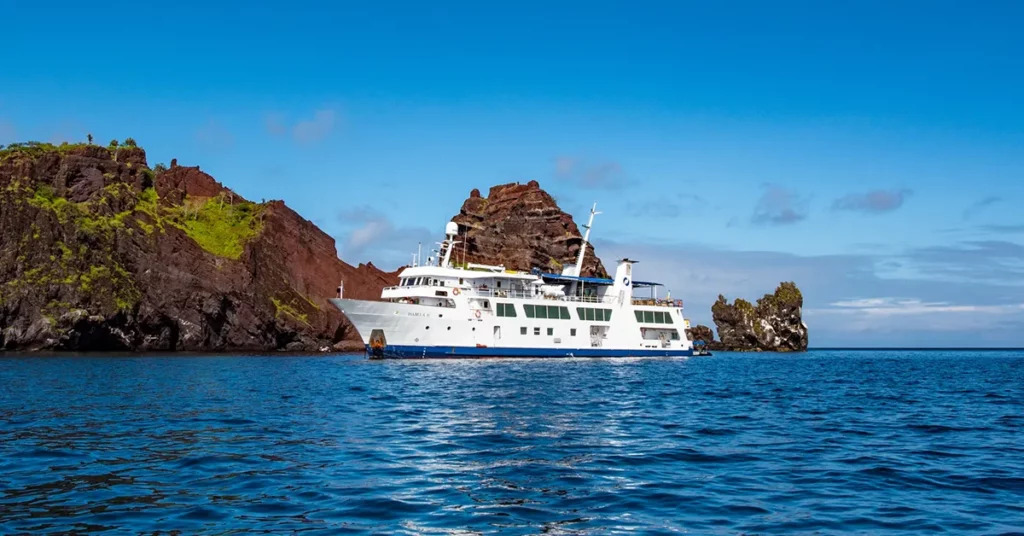
This galapagos cruise follows a seven-day western and central route aboard a vessel carrying fewer than 100 guests — the threshold that determines access quality in the archipelago. Galápagos National Park regulations limit landing group sizes to 16 per naturalist guide, making the ship’s total capacity a decisive operational factor. https://whc.unesco.org/en/list/1
The Galápagos are UNESCO World Heritage Site number one — the first natural site inscribed on the list. As a result, this galapagos cruise operates within one of the most strictly regulated marine environments on Earth, where every landing, every route, and every wildlife encounter follows a framework designed for preservation.
Baltra and Santa Cruz: The Scientific Gateway
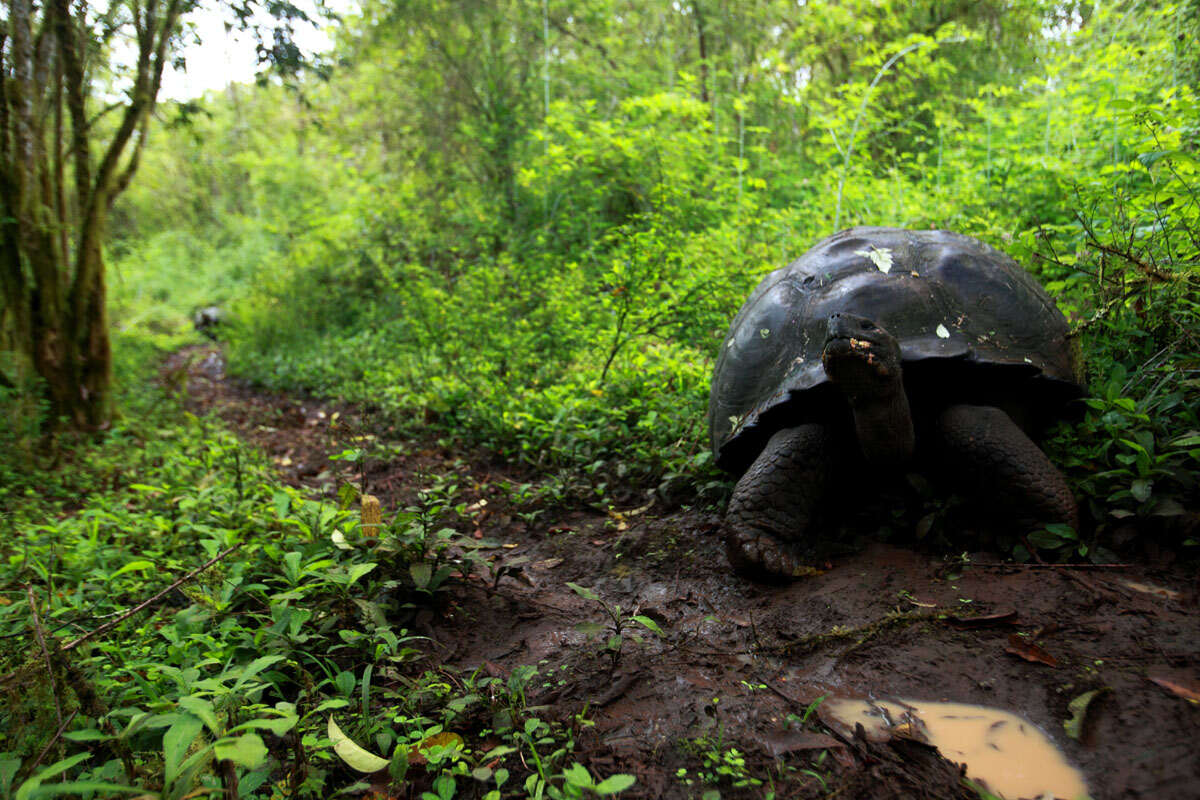
The journey begins at Baltra airport, with an immediate transfer to the ship. A visit to the Charles Darwin Research Station on Santa Cruz introduces the archipelago’s conservation framework — giant tortoise breeding programs, invasive species management, and ongoing marine research.
From the start, the galapagos cruise establishes its scientific register. The station is not a tourist attraction but a working research facility that sets the intellectual tone for the week ahead.
Isabela: The Volcanic Giant
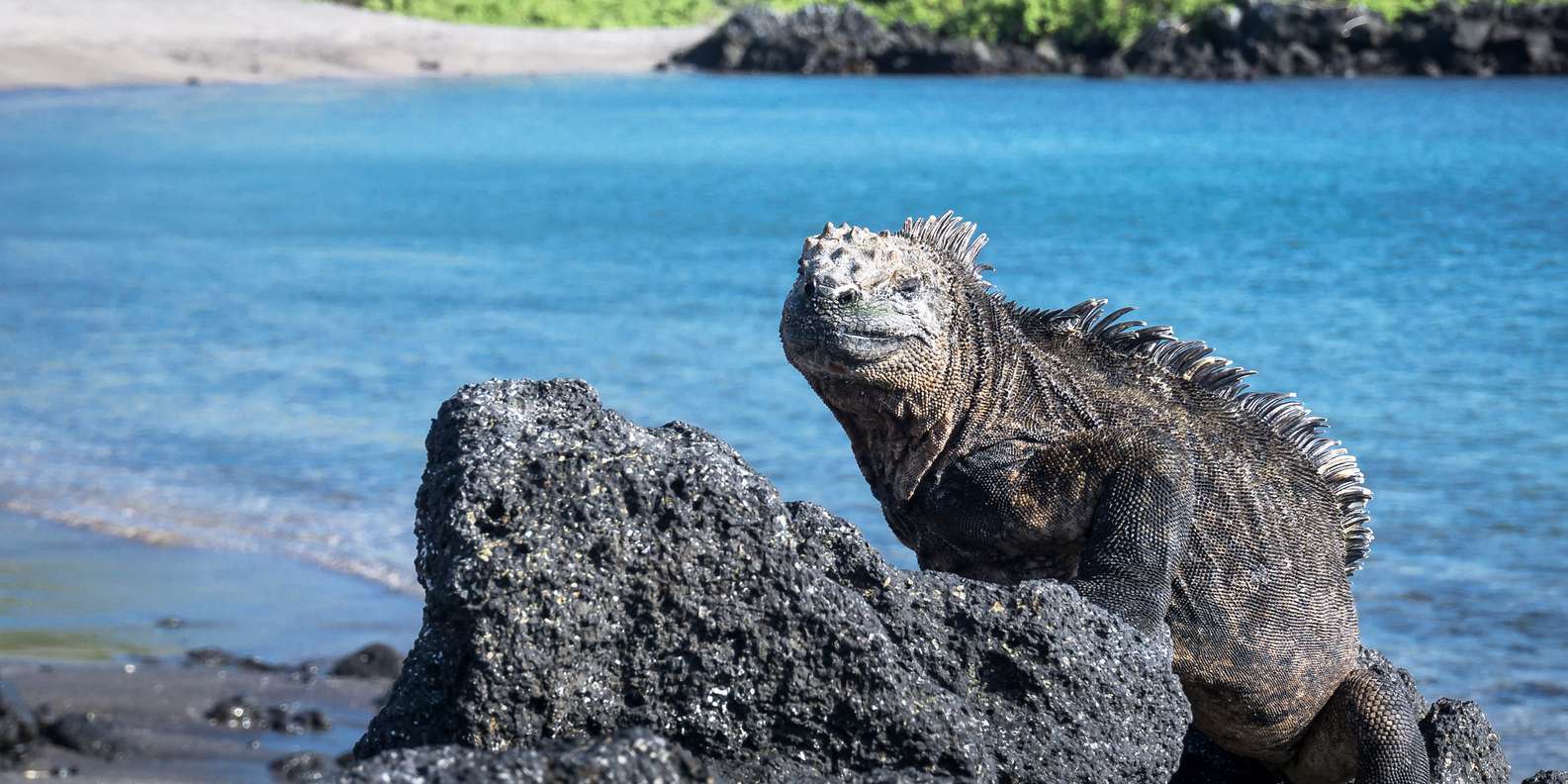
Next, the ship reaches Isabela, the largest island in the archipelago and home to more active volcanoes than any other Galápagos island. The western coast — where cold, nutrient-rich water upwells from the Cromwell Current — supports the highest concentration of marine life in the islands.
Snorkeling along Isabela’s coast reveals Galápagos penguins, marine iguanas, sea turtles, and reef sharks within the same site. Because of this biological density, Isabela is where the galapagos cruise delivers its most concentrated wildlife encounters.
Fernandina: The Pristine Edge
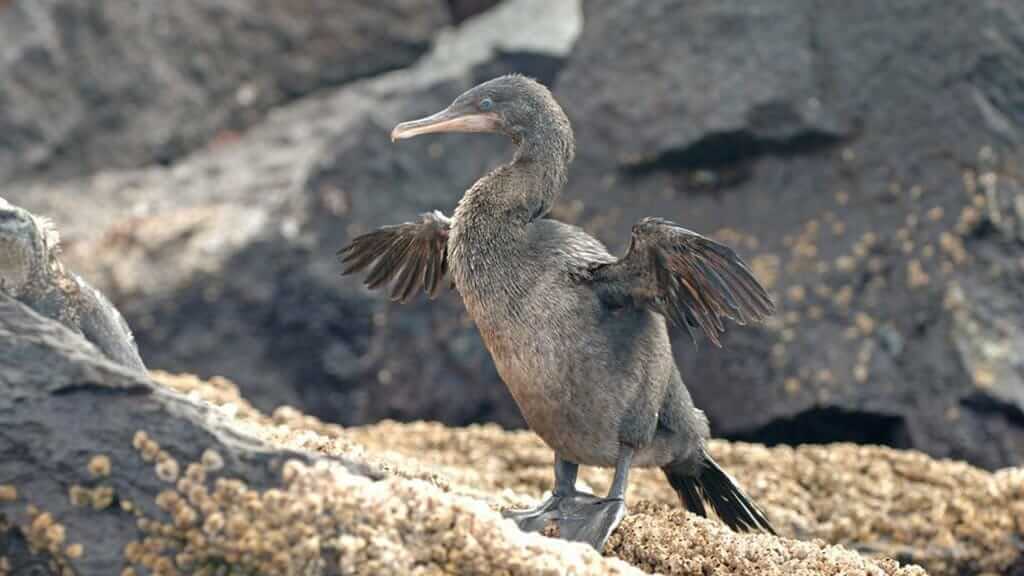
Fernandina is the youngest and most volcanically active island in the archipelago — and the most pristine. No introduced species have ever established here, making it the closest approximation to pre-human Galápagos.
Punta Espinosa offers landings where flightless cormorants, marine iguanas, and Galápagos hawks share the same volcanic shelf. Ecoventura, Silversea, and Lindblad-National Geographic each prioritize Fernandina precisely because it represents the archipelago in its most unaltered state.
Therefore, this stage gives the galapagos cruise its most scientifically significant encounter.
Española: The Breeding Colony
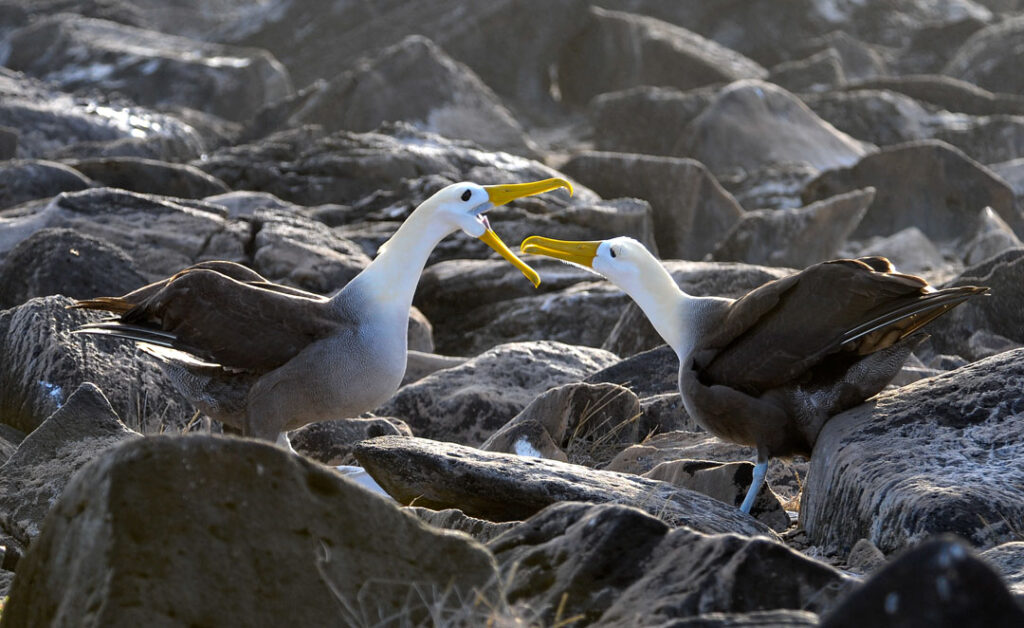
Española, the southernmost island, hosts the world’s only breeding colony of waved albatross — a species found nowhere else on Earth. The island’s blowhole at Punta Suarez sends ocean spray over nesting blue-footed boobies, Nazca boobies, and marine iguanas.
In addition, Gardner Bay offers one of the archipelago’s finest white sand beaches, where sea lion colonies rest unbothered by human presence. This stage adds a reproductive ecology dimension to the galapagos cruise.
The Return to Santa Cruz and Departure
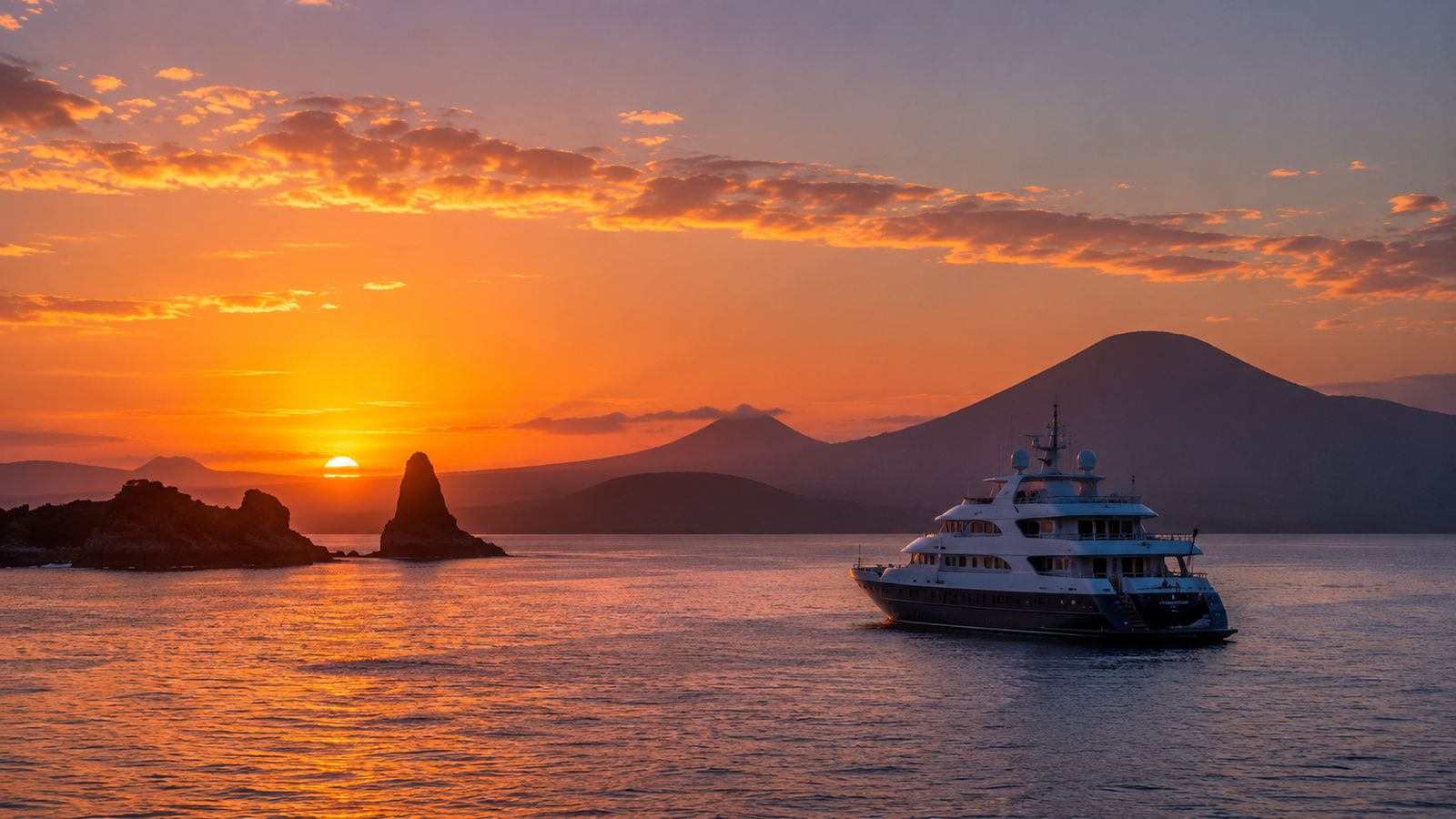
The final stage returns to Santa Cruz, where the highland tortoise reserves offer a last encounter with the archipelago’s most iconic species. Aqua Expeditions and other operators use this closing day for naturalist debriefs and conservation summaries.
Because of this circular structure, the galapagos cruise ends where it began — at the intersection of science and landscape that defines the archipelago.
Endemic species, volcanic geology, and the ocean that shaped Darwin’s theory
Signature Experiences
- Visiting the Charles Darwin Research Station on Santa Cruz
- Snorkeling with Galápagos penguins and marine iguanas off Isabela
- Landing on pristine Fernandina among flightless cormorants
- Observing the waved albatross breeding colony on Española
- Zodiac excursions along volcanic coastlines with certified naturalists
- Swimming with sea turtles and reef sharks in protected coves
- Walking among blue-footed booby nesting sites at Punta Suarez
- Kayaking through mangrove channels on the western islands
- Highland tortoise encounters in the Santa Cruz reserves
- Onboard naturalist lectures on evolutionary biology and island ecology
Ready to Begin the Journey?
A Galápagos expedition requires vessel selection under National Park regulations, certified naturalist guides, and route permits that balance western and central island access. At Escape Xperts, we coordinate every element so that the archipelago’s science and wildlife unfold without logistical friction.
Why Travel to the Galápagos with Escape Xperts
The Galápagos reward travelers who arrive on a vessel small enough to respect the park’s regulations and staffed with naturalists who can interpret what they see. At Escape Xperts, we select ships under 100 guests, secure western island permits, and match itineraries to seasonal wildlife patterns. The result is a galapagos cruise that delivers the archipelago as Darwin encountered it — through observation, not spectacle.