Best months: July to October (migration) · January to March (green season)
Country: Kenya
Region: Masai Mara · Amboseli · Samburu · Laikipia
Best for: The Great Migration, the Big Five, private conservancies
The Best Time for a Kenya Safari
The best time for a Kenya safari is July to October, when the Great Migration reaches the Masai Mara and the herds gather along the Mara River for the season’s dramatic crossings. This is the classic window, though it is not the only one worth considering.
At Escape Xperts, we read the calendar differently for each traveler. Kenya is the cultural and wildlife heart of East Africa — the land of the Maasai, of open plains and the full Big Five — and the ideal month depends less on a single peak than on what you most want to see.
For families, photographers and demanding first-timers alike, the country rewards a considered approach. The distinction that matters is not high season against low, but the goal of the trip: the drama of the crossings, the intimacy of a private conservancy, or the sheer variety of landscapes from Amboseli to the northern deserts.
When to Go: The Migration Calendar
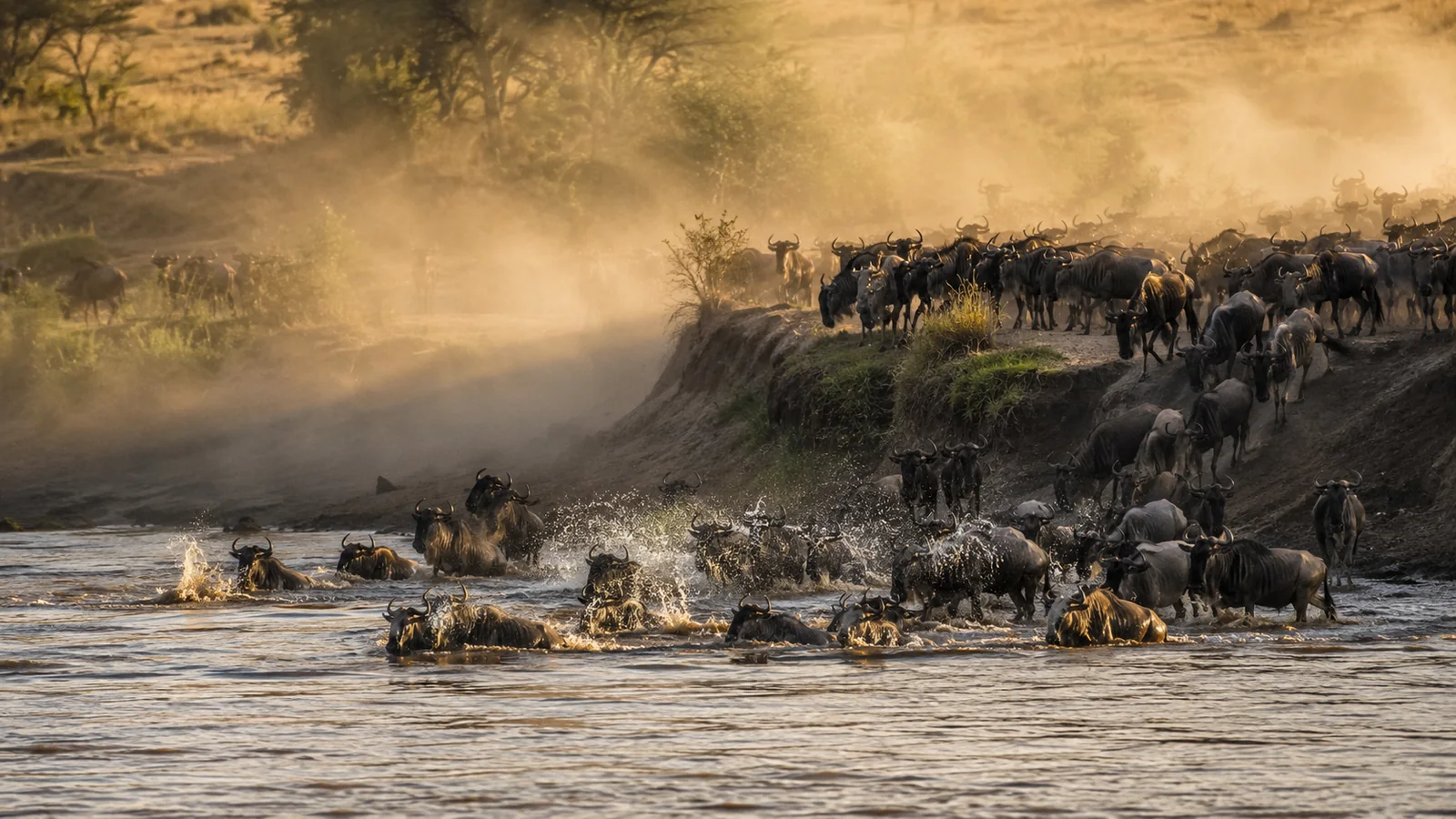
The Great Migration is a year-round loop, not a fixed event. The herds spend the early months in the southern Serengeti and drift north as the plains dry, reaching the Masai Mara from roughly July onward. Because of this, the best time for a Kenya safari built around river crossings is late July through October.
Within that window, August and September are the most reliable for action at the water’s edge, while October often brings the return crossings as the herds drift back south. Early July can be quieter, with the herds still filtering up from the Serengeti.
Meanwhile, the crossings themselves can never be guaranteed. Herds may wait for days on the banks of the Mara River, then cross four times in an afternoon. Therefore, we plan three or more nights in the right zone to load the odds in your favor rather than chase a single perfect morning.
The long rains of April and May sit at the other extreme. Some camps close, the roads soften, and game is harder to find beneath the tall grass — though rates fall and the plains turn a vivid green. Between these poles, June and November act as shoulder months, quieter than peak yet still rewarding.
In contrast, the green season from January to March brings newborn calves, superb birding and far thinner crowds. For photographers and returning travelers, this quieter window is often the smarter best time for a Kenya safari — lush, dramatic and largely your own.
The National Reserve vs Private Conservancies
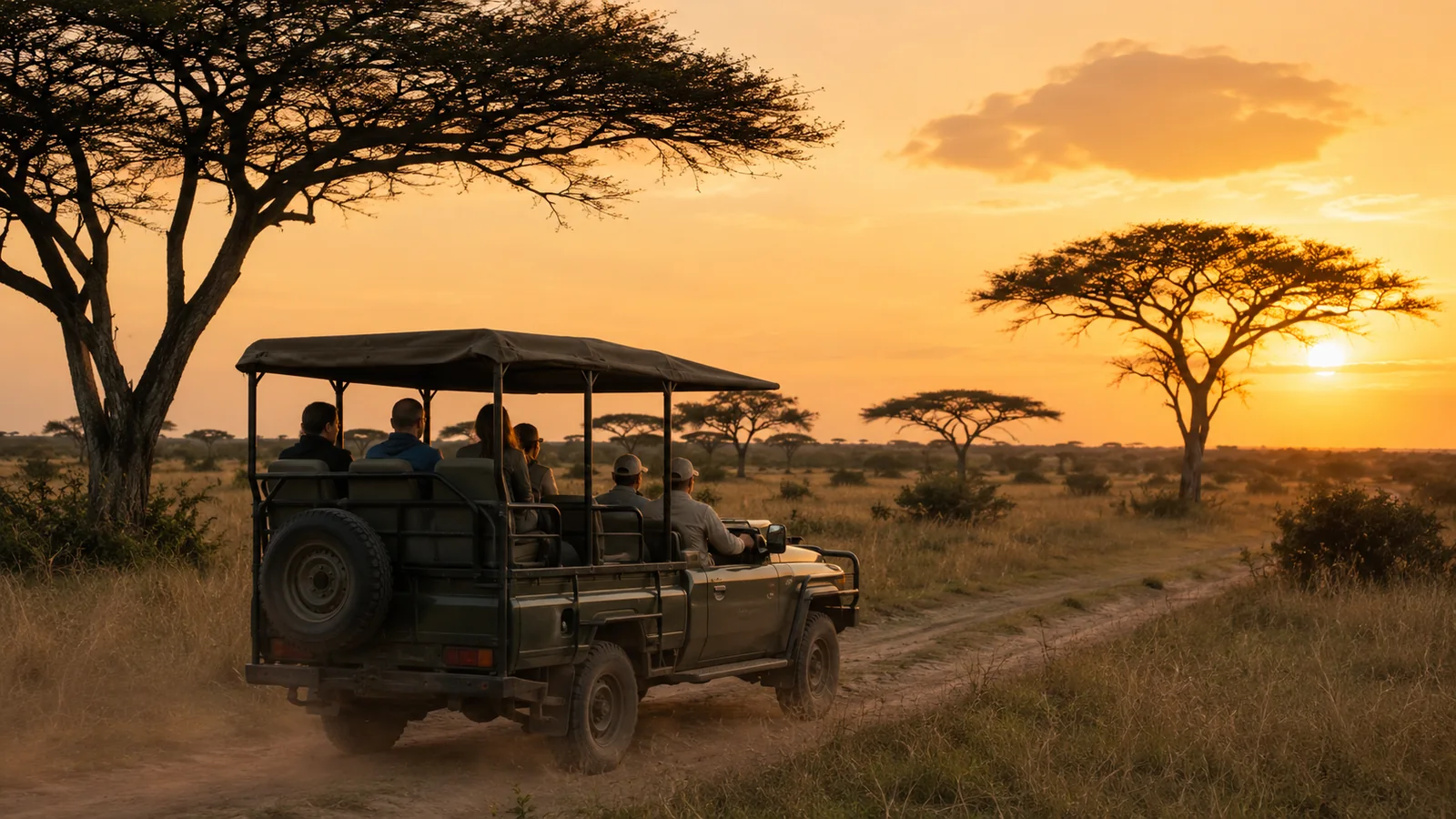
The Masai Mara National Reserve holds the greatest density of game and the main crossing points, but during peak weeks it also draws the most vehicles. This is where the migration’s headline scenes unfold.
Beyond the reserve boundary lie the private conservancies — Maasai-owned lands leased to a limited number of camps. Here, vehicle numbers are capped, off-road driving is permitted, and night drives and guided walks become possible. As a result, the wildlife is just as rich but the experience is quieter and more exclusive.
The conservancy model also underpins the region’s conservation. Tourism revenue gives the Maasai a direct stake in protecting the land and its wildlife, keeping wildlife corridors open beyond the formal park boundaries.
Because of this contrast, we often pair the two: a few nights in a conservancy for intimacy and access, then time in the reserve when the crossings are at their height.
Beyond the Mara: Amboseli, Samburu and Laikipia
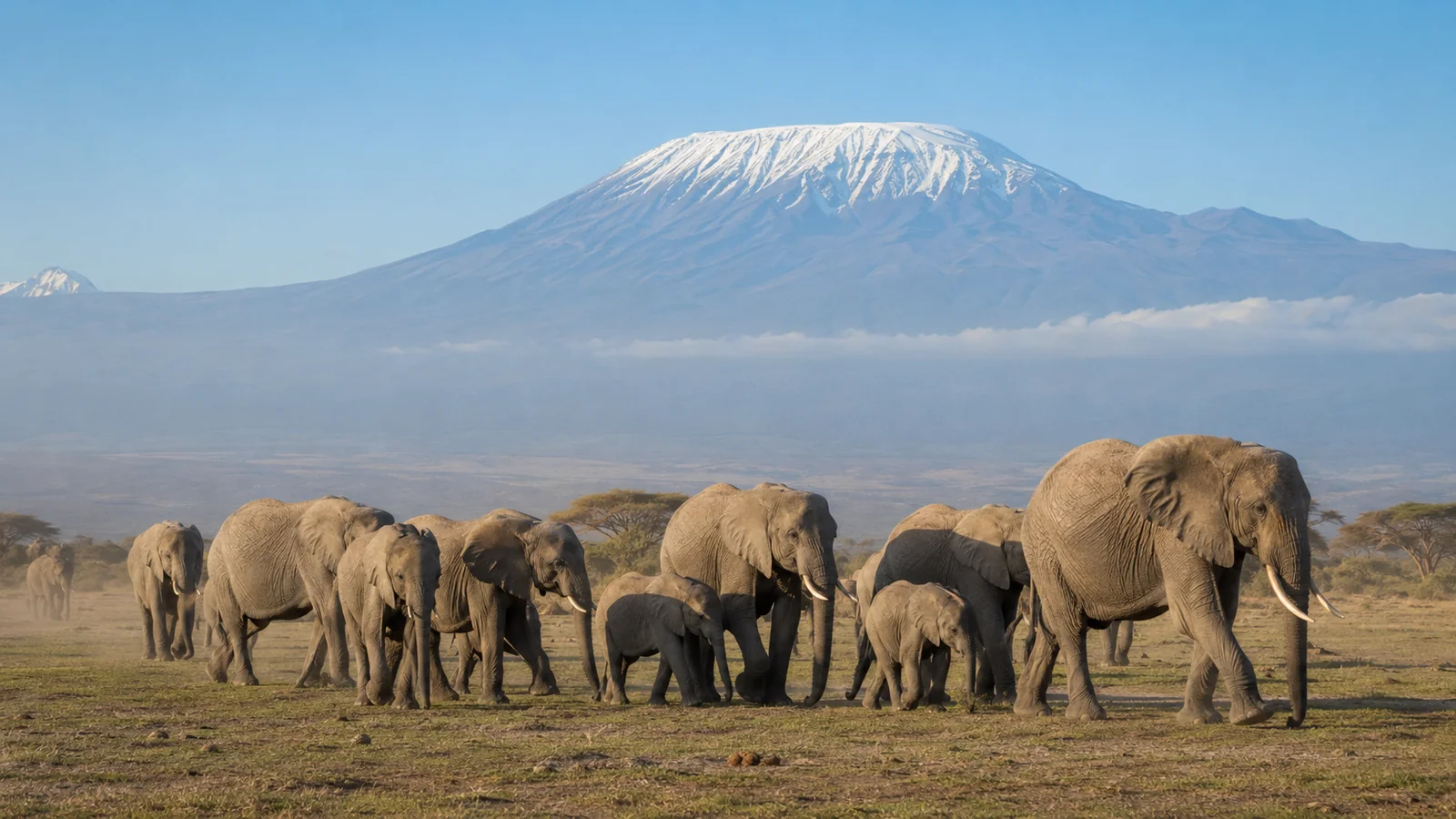
To reduce Kenya to the Masai Mara alone is to miss half the country. Amboseli, to the south, is famous for its great elephant herds framed against Kilimanjaro — the most photographed backdrop in Africa.
In addition, the arid north offers something rarer. Samburu holds species found almost nowhere else — the Grevy’s zebra, the reticulated giraffe, the gerenuk. Nearby, the conservancies of Laikipia combine serious rhino conservation with some of the most design-led lodges on the continent.
These northern reserves also feel markedly wilder and less visited than the Masai Mara. For travelers who have already seen the migration, they offer a second, more exclusive chapter — the same country, an entirely different rhythm.
Each region also peaks a little differently. Amboseli is at its best in the dry months, when elephants gather at the swamps and the mountain stands clear at dawn; the northern reserves reward the same dry-season window with concentrated game around the Ewaso Ng’iro river.
Next, the highlands around Mount Kenya add cool air and a change of scene. A well-built best time for a Kenya safari often threads two or three of these regions into a single fly-in circuit.
Where to Stay: Camps and Lodges
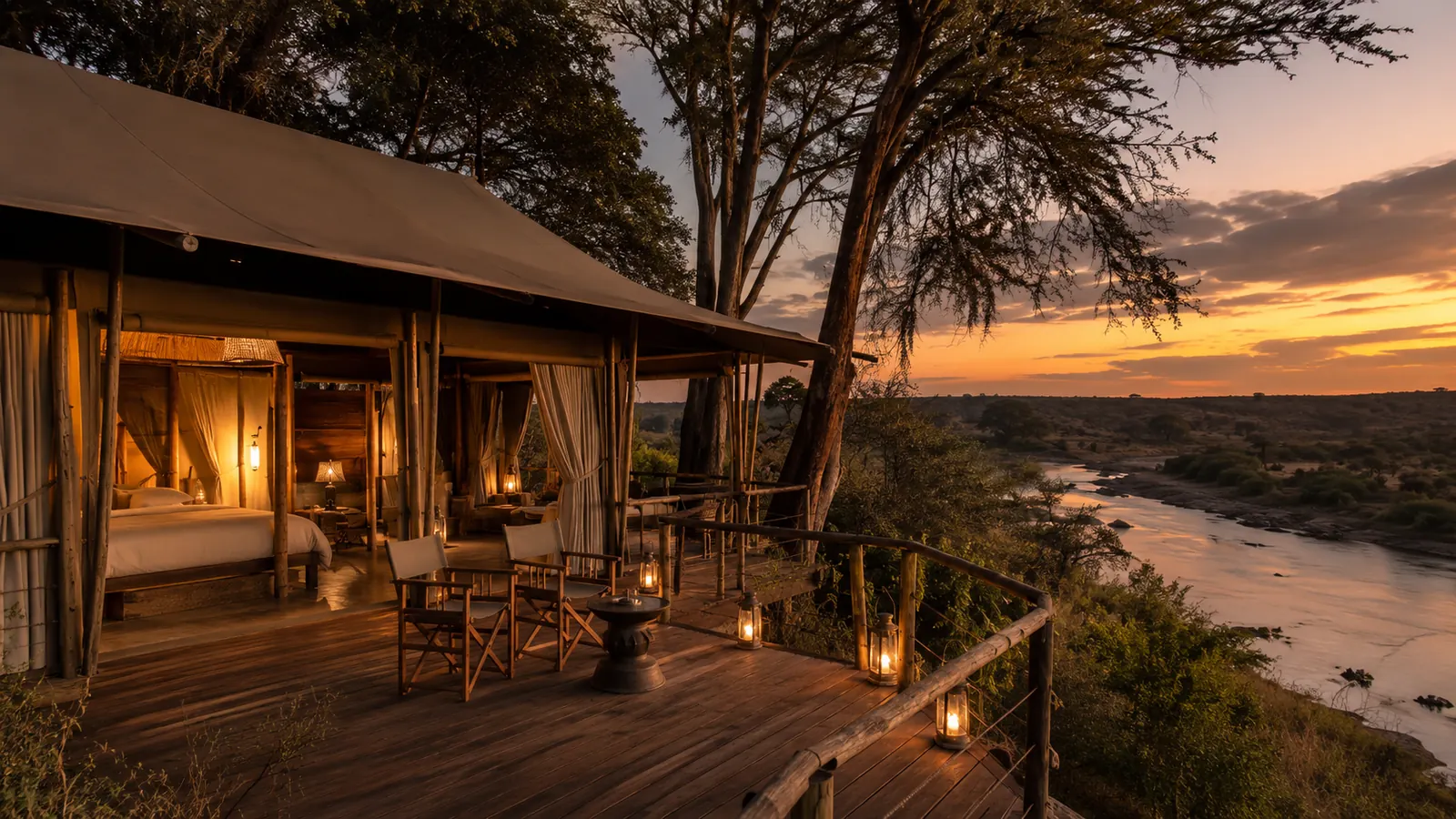
Accommodation shapes a Kenya safari as much as the season does. In the Masai Mara, the classic Governors’ Camp sits in a prime riverine setting inside the reserve, within reach of the crossings.
Meanwhile, the conservancies favor low, tented camps that tread lightly on the land and share revenue with Maasai communities. These are small — often fewer than a dozen tents — with private guiding and a strong conservation ethos.
In addition, the best camps book out a year ahead for the migration weeks. The finest tented suites in the Masai Mara conservancies and around Nairobi‘s fly-in hubs are limited by design, so early planning is less a luxury than a necessity.
Therefore, the choice of camp is really a choice of experience: reserve-side access to the herds, or conservancy-side space and privacy. We match the property to the traveler, not the other way around.
Adding the Coast: Safari and Beach
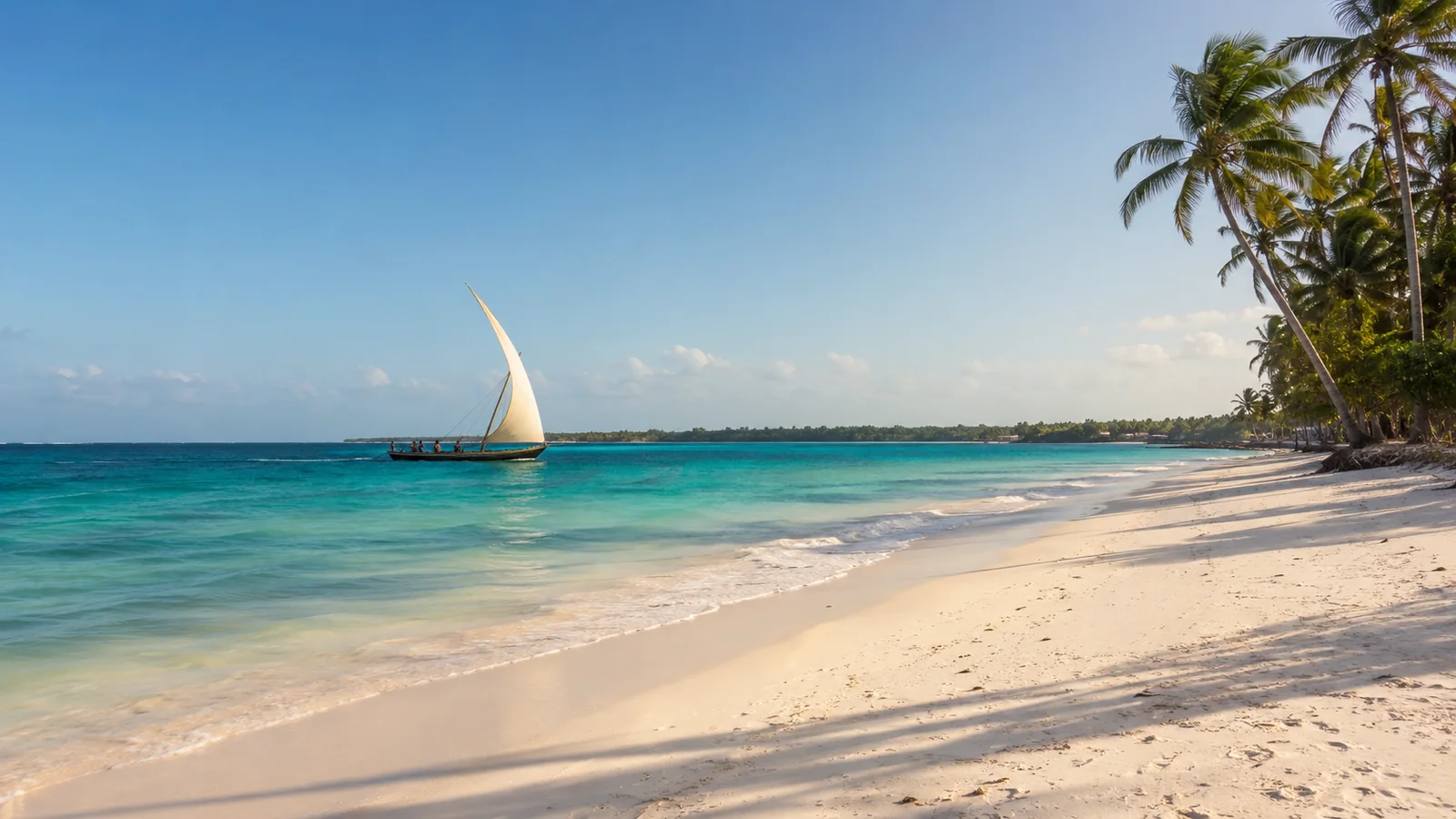
A Kenya safari pairs naturally with the Indian Ocean. After the dust and drama of the plains, the reef and white sand of the coast offer the perfect second act.
Because the safari’s dry-season peak aligns with calm, clear coastal weather, the timing works in your favor. A short flight from the Masai Mara or Nairobi reaches the beaches of Diani or the Lamu archipelago in a morning.
Three or four nights on the coast make an ideal close: reef snorkeling, dhow sailing and slow mornings after the early starts of the bush. It is the gentlest possible way to decompress before the flight home, and it turns a safari into a complete journey.
Finally, this bush-to-beach rhythm is one of the great strengths of East Africa. For destination information, see https://magicalkenya.com/
The thunder of the crossing, the calm of the plains, and the warmth of the Maasai
Signature Experiences
- Dawn game drive to the Mara River crossing points
- Off-road big-cat tracking in a private conservancy
- Elephant herds beneath Kilimanjaro in Amboseli
- Rhino conservation visit in Laikipia
- The Grevy’s zebra and gerenuk of Samburu
- Guided bush walk with a Maasai tracker
- Sundowners on the open plains at dusk
- Hot-air balloon flight over the Masai Mara
- Cultural visit to a Maasai community
- Fly-in transfer from the plains to the Indian Ocean coast
Ready to Begin the Journey?
Kenya rewards precise timing and local knowledge more than almost anywhere in Africa. At Escape Xperts, we design safaris around seamless logistics, private conservancy access and curated wildlife encounters — aligning the migration calendar, the right camps and the coast into one considered journey.
Why Travel to Kenya with Escape Xperts
Kenya offers the fullest expression of the classic African safari — the Great Migration, the Big Five and a living Maasai culture, from the Masai Mara to the arid north. At Escape Xperts, we time the journey to your goals rather than the calendar’s headline, secure access to the finest conservancies, and coordinate every transfer so the best time for a Kenya safari becomes a matter of design, not chance.