Mainland dry season: November to March
Indonesian dry season: May to September
Overlap months: April · October
Region: Indochina · Gulf of Thailand · Indonesia · Borneo
The Best Time to Visit Southeast Asia Depends on Which Half
The best time to visit Southeast Asia is November to March for the mainland, meaning Thailand, Vietnam, Cambodia and Laos, and May to September for Indonesia. The two dry seasons sit roughly six months apart, so a single journey combining both halves works only in the shoulder months or by accepting rain on one side.
Many dream itineraries pair the temples of Indochina with the beaches of Bali in the same three weeks. On a map the distance looks modest. On a calendar, the two regions rarely agree.
At EscapeXperts, we plan the region season first and country second. This guide sets out what is possible in each quarter of the year, rather than naming a single perfect month that does not exist.
Two Monsoons, Six Months Apart
The mainland follows two alternating winds. The southwest monsoon brings rain from roughly May to October, when moist air arrives from the Indian Ocean. In contrast, the northeast monsoon brings cooler, drier air from the continent between November and February.
As a result, the mainland dry season runs from about November to March, with the coolest and clearest weeks at its start. March to May then becomes the hot season, before the rains return.
Indonesia works on almost the opposite pattern. Its main dry months run from about May to September, and its rains fall from roughly November to March. Therefore, the months that suit Angkor are the months that bring daily downpours to Bali.
There are exceptions on both sides. The Gulf of Thailand coast, including Koh Samui, receives its heaviest rain from October to December. Central Vietnam, around Hue and Hoi An, is wettest from September to December. Meanwhile, Borneo sees rain in every month, with drier conditions broadly from March to October.
These exceptions are not footnotes. They are what makes the best time to visit Southeast Asia a set of combinations rather than a single answer.
January to March: Indochina at Its Best
The first quarter is the strongest window for the mainland. Skies are clear across Thailand, Cambodia and Laos, humidity is at its lowest and temperatures are moderate, particularly in the north.
This is the season to combine two or three Indochinese countries. Vietnam and Cambodia pair naturally, as do northern Thailand and Laos. Central Vietnam improves from February as its rains clear.
In contrast, Indonesia is in its wet season. Bali still receives visitors, and rain often falls in heavy afternoon bursts rather than all day. However, sea conditions, trekking and island crossings are less reliable.
From late February, smoke from agricultural burning can haze the skies over northern Thailand and Laos. Because of this, travelers heading north do best in January and early February. For the best time to visit Southeast Asia on the mainland alone, this quarter has no real rival.
April to June: The Handover Months
The second quarter is a transition. April is the hottest month across much of the mainland, with temperatures that make long temple days demanding. By May, the first monsoon rains arrive.
Meanwhile, Indonesia enters its dry season. Bali, Lombok and the Komodo islands become reliable from around May, with calmer seas and clear mornings.
This creates one of the few genuine overlaps. Central Vietnam remains dry through the early summer, and the Andaman coast of Thailand stays usable into April. Therefore, April and early May allow a mainland stop followed by an Indonesian finish.
June tips the balance firmly toward the islands. The mainland turns green and quieter, and rain usually falls in short heavy spells, but beach days on the Andaman side become unpredictable.
On the rivers, this is the low-water season. The Mekong reaches its lowest levels before the rains replenish it, and some river routes in Laos and Cambodia shorten or pause. As a result, river journeys are better left to the months after the monsoon.
July to September: The Islands Take Over
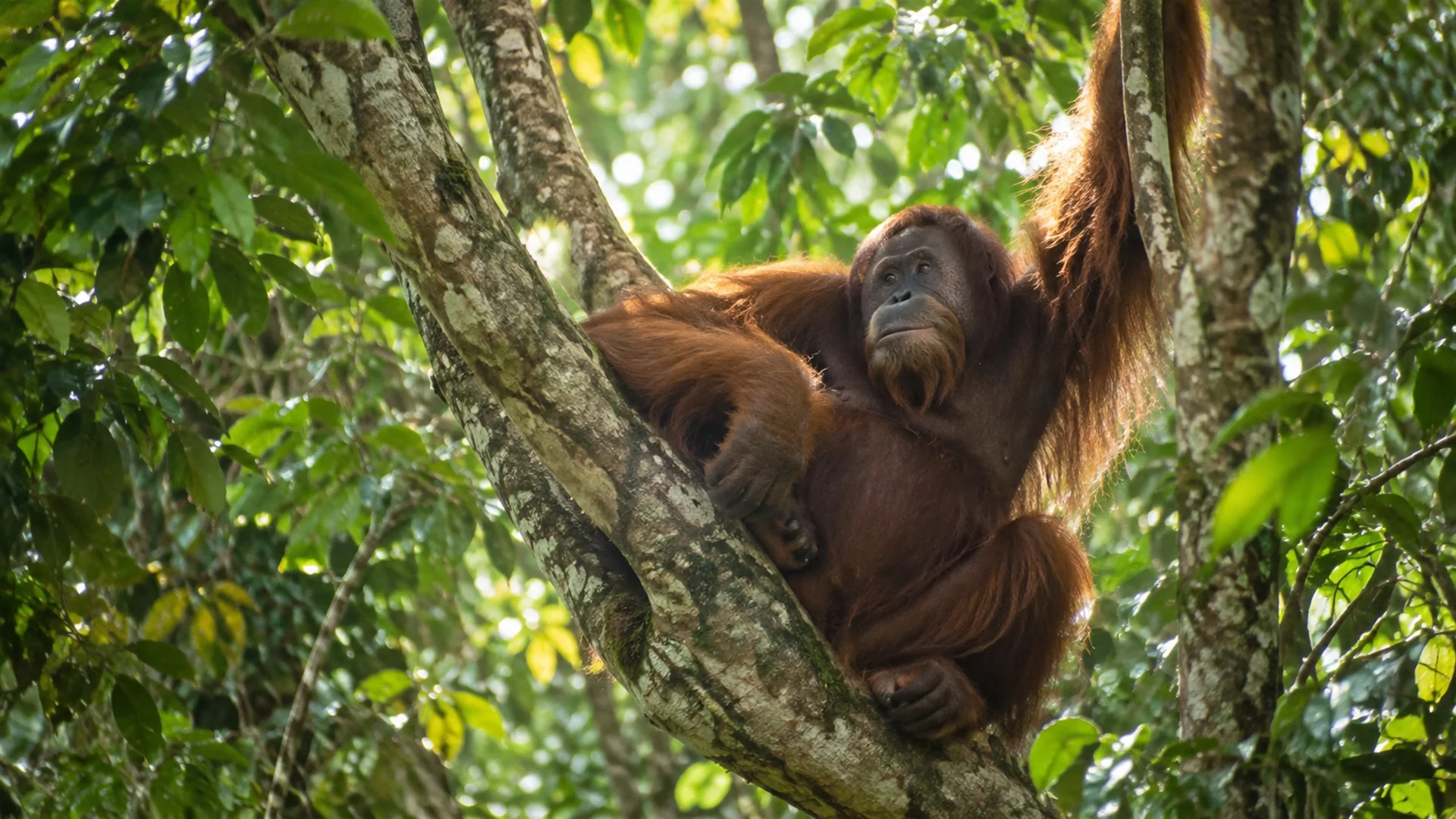
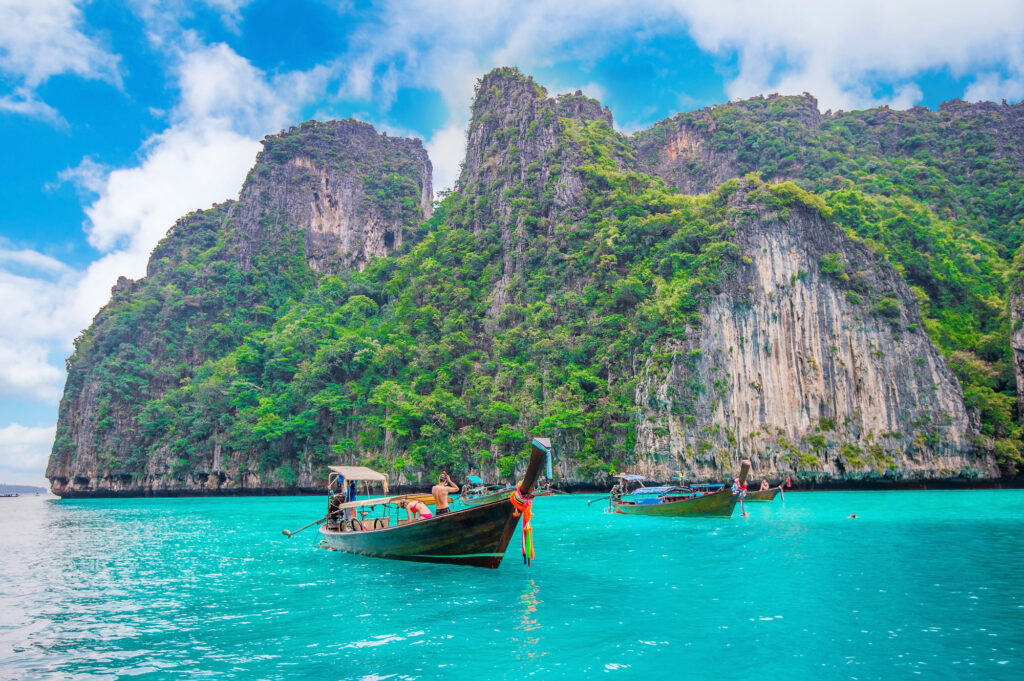
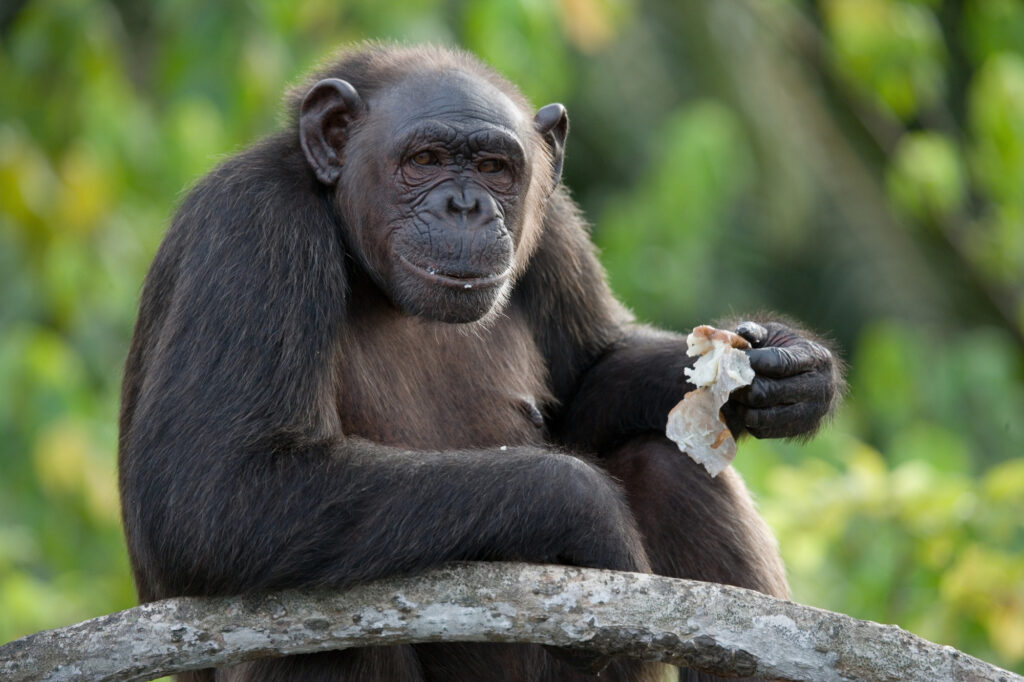
The third quarter belongs to Indonesia. Bali is at its most reliable, the islands east toward Komodo offer calm crossings and Borneo is in its drier period, a favored time for orangutan encounters in the rainforest reserves.
Across the mainland, the southwest monsoon is at full strength. Cambodia and Laos are lush, and the Mekong rises steadily, but outdoor days are shorter and some rural roads become difficult.
This is also the heart of the typhoon season in the South China Sea. Tropical storms form broadly between June and November, with the highest risk from about July to October. Northern and central Vietnam are the most exposed on the mainland, and bay cruises can be cancelled at short notice. For practical updates, see https://vietnam.travel
In addition, one mainland exception holds. Koh Samui and the Gulf of Thailand stay comparatively dry in July and August, which makes the Gulf a useful partner for an Indonesian journey.
October to December: The Return of Dry Air
The final quarter is the second handover, in the opposite direction. October still suits Bali as its dry season ends, while the mainland rains begin to ease from north to south.
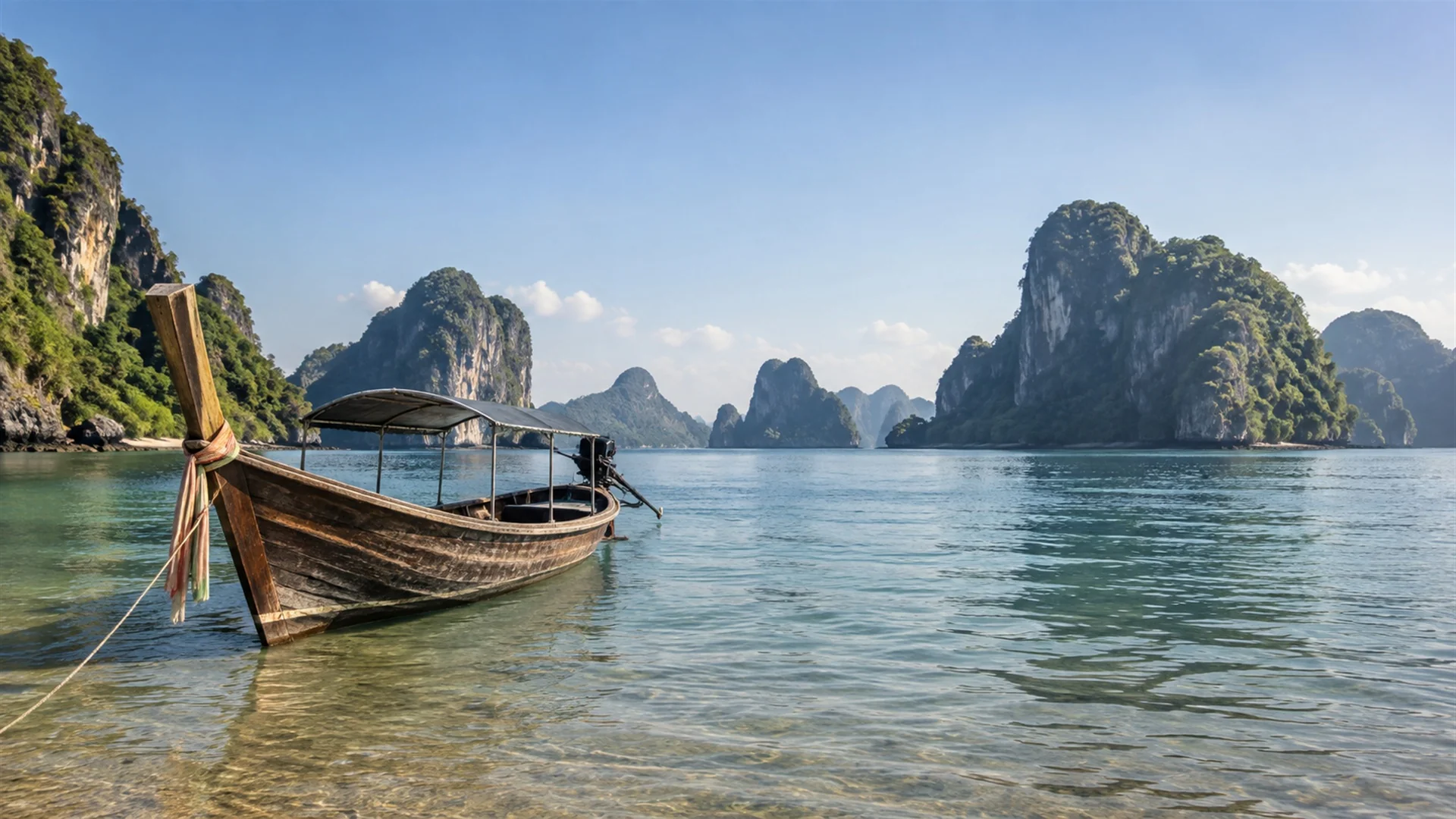
By November, the northeast monsoon has settled over Indochina. Northern Vietnam, Laos, Cambodia and northern Thailand enter their clearest weeks, and the Mekong is still high after the rains. As a result, this is an excellent season for river journeys and for Angkor.
However, two areas move the wrong way. Central Vietnam faces its wettest and most flood-prone weeks, and the Gulf of Thailand coast reaches its heaviest rain. Meanwhile, the Andaman coast only becomes reliable from December.
Therefore, October and early November form the second overlap window, and the best time to visit Southeast Asia for a two-region journey often falls in these weeks.
Sequencing the Best Time to Visit Southeast Asia Across Two Countries
When a journey links Indochina with Indonesia, the order follows the seasons. In April and May, the mainland comes first, while its dry weather holds, and Indonesia follows as its dry season begins.
In October and November, the order reverses. Bali or Borneo comes first, while their dry season holds, and Indochina follows as the rains clear.
Between the two stops, the flight itself matters little. What matters is the week of the handover, which shifts slightly each year. Because of this, a few flexible days at the junction protect the whole itinerary.
For two mainland countries in the first quarter, the cooler north comes first. Laos or northern Vietnam suits January, while Cambodia and southern Thailand absorb the rising heat later. Planned this way, the best time to visit Southeast Asia becomes a sequence rather than a single date.
Dry seasons, turning monsoons, and journeys timed to the sky
Signature Experiences
- Sunrise at the temples of Angkor in the cool dry season
- High-water river journey along the Mekong in November
- January walks through the old towns of northern Laos
- Late-spring days along the central coast of Vietnam
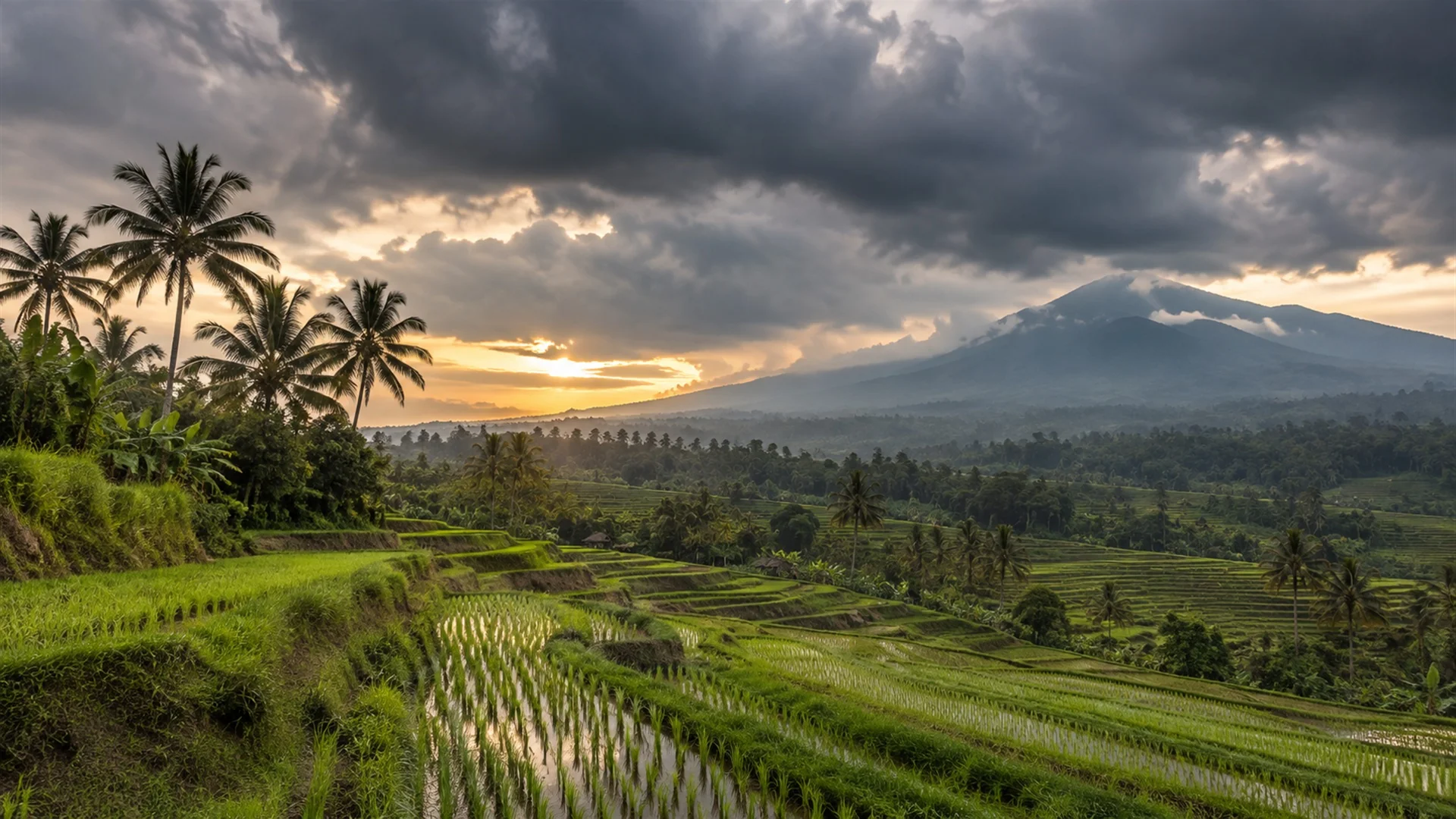
- Dry season villa stay in the rice terraces of Bali
- Orangutan encounters in the rainforests of Borneo
- Calm summer crossings among the islands east of Bali
- Midsummer beach days on the Gulf coast of Thailand
- Andaman island-hopping once the December seas settle
- A two-region journey timed to the October handover
Ready for Something Extraordinary?
Southeast Asia rewards travelers who plan around its monsoons rather than against them. At EscapeXperts, we sequence countries by season, combining seamless logistics, private experiences and curated exploration so each stop is visited in its clearest weeks.
Why Travel to Southeast Asia with EscapeXperts
Southeast Asia runs on two calendars, and the most successful journeys respect both. At EscapeXperts, we decide which half leads, which follows and which should wait for another trip. We secure the right stays for each window and adapt the route when the weather shifts. The result is a clear answer to the best time to visit Southeast Asia, built around how you want to travel.