Ideal stay: Four nights, with the palaces spread across the mornings
Best months: April to May · September to November
Country: South Korea
Region: Jongno · Bukchon · Insadong · Seongsu · Gangnam · Bukhansan
Things to Do in Seoul Beyond the Screen Image
The most rewarding things to do in Seoul begin with its five royal palaces, continue through the hanok lanes of Bukchon Hanok Village and end at a Korean table. Between them lie neighborhoods with distinct characters, from the tea houses of Insadong to the converted factories of Seongsu.
Most travelers arrive knowing Korea through its music, films and skincare. Few arrive knowing that Seoul served as the capital of the Joseon dynasty for more than five centuries, or that its royal architecture still stands within walking distance of glass towers.
At EscapeXperts, we present Seoul as a rebuilt city. Much of it was destroyed and restored more than once, and the old and the new now occupy neighboring streets. This guide follows that layering, one district at a time.
The Five Royal Palaces, Not Just One
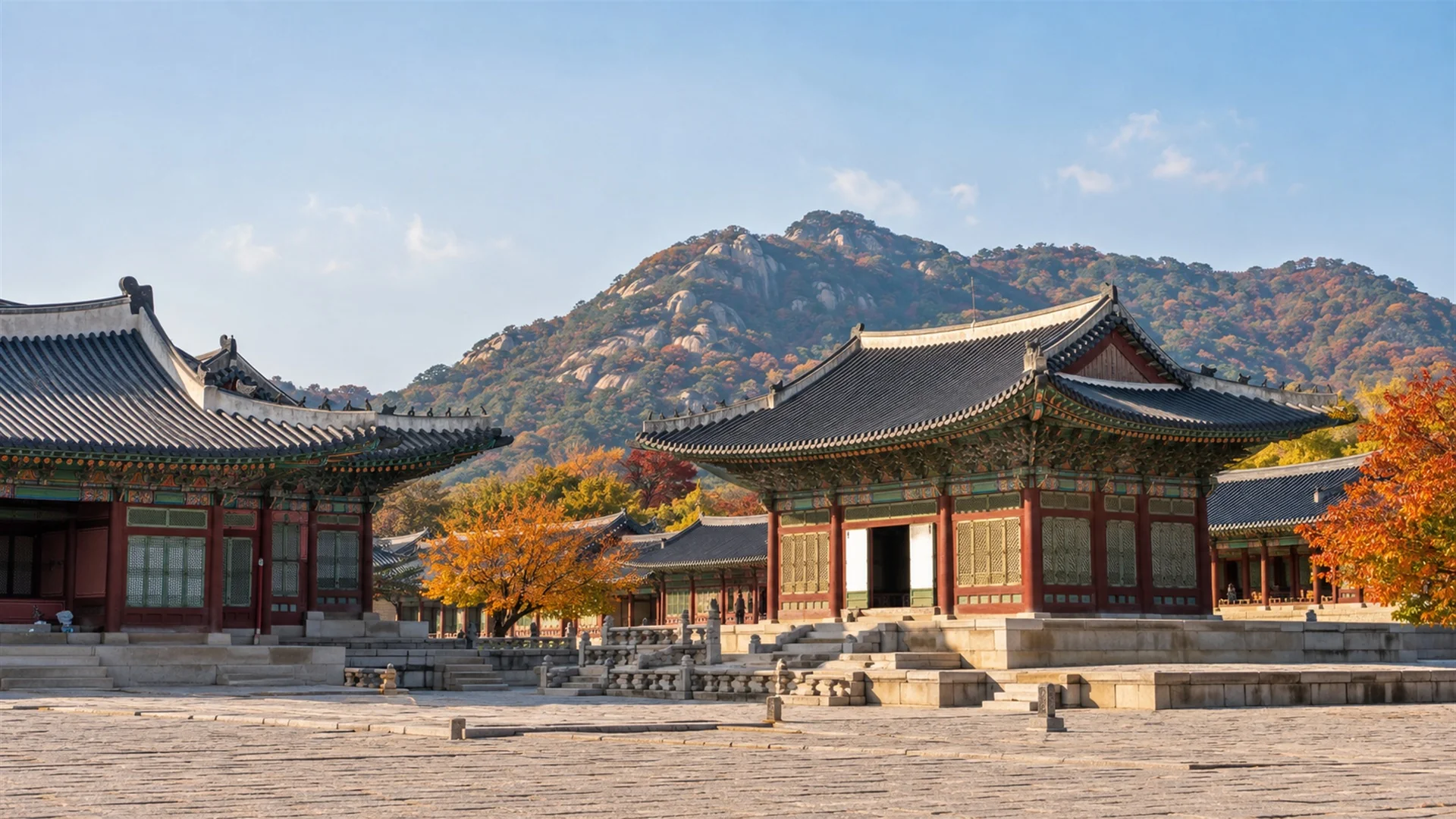
Seoul holds five grand palaces built by the Joseon kings. Gyeongbokgung, founded in 1395, is the largest and the most visited. It was burned during the Japanese invasions of the 1590s, rebuilt in the nineteenth century and partly dismantled in the colonial era. Its restoration is still under way.
As a result, Gyeongbokgung reads as a statement of continuity rather than an untouched relic. The changing of the royal guard at Gwanghwamun Gate is best seen early, before the courtyards fill.
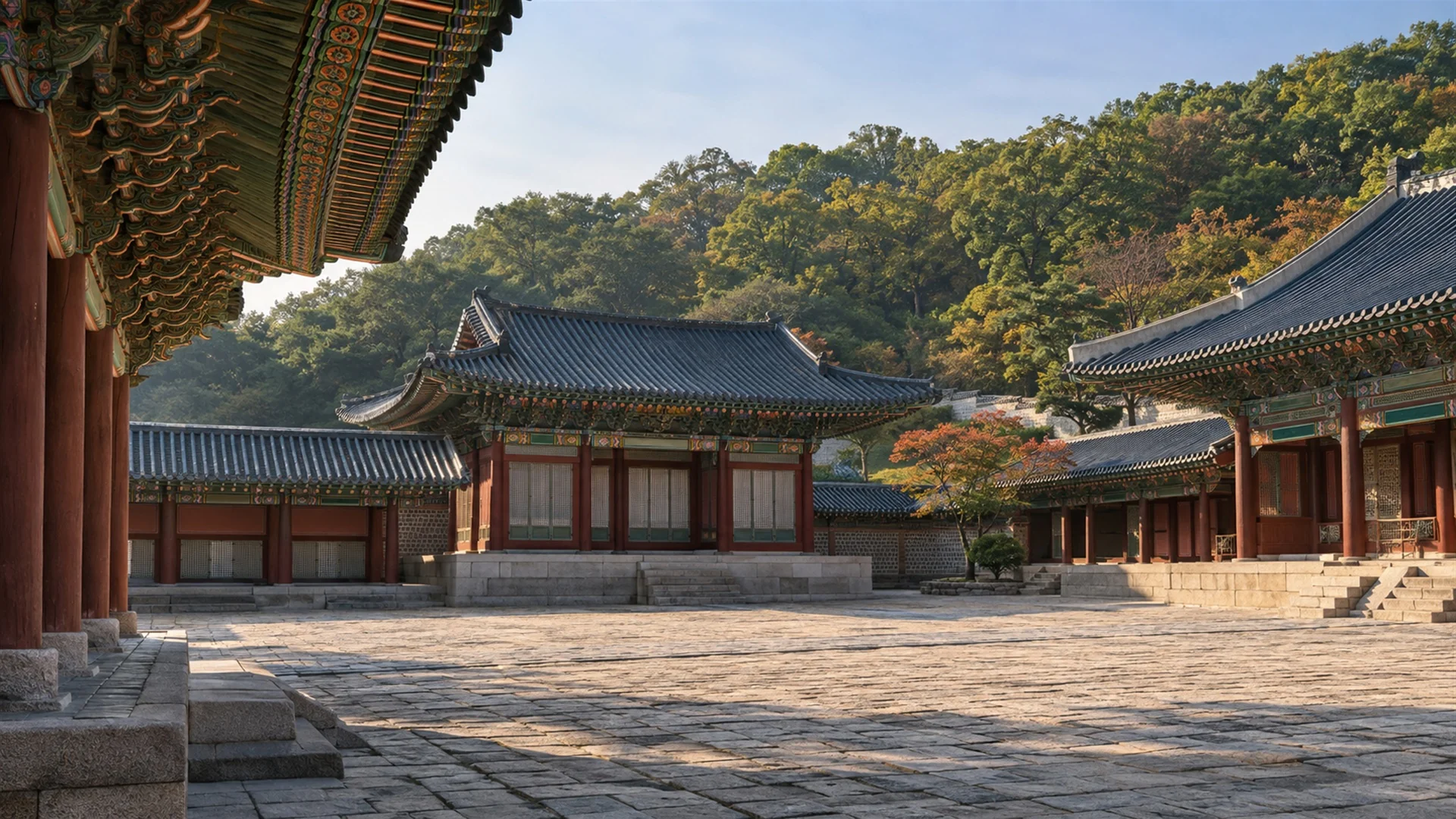
In contrast, Changdeokgung follows the hills instead of a strict axis. It is inscribed as a World Heritage Site, and its rear garden, Huwon, is visited only on guided tours with limited places. For context, see https://whc.unesco.org/en/list/816/
The remaining three complete the picture. Changgyeonggung adjoins Changdeokgung and keeps a glasshouse from 1909. Deoksugung, beside City Hall, mixes traditional halls with Western-style stone buildings. Gyeonghuigung, the quietest, sees few visitors at all.
Therefore, two or three palaces over separate mornings work better than five in one day. Among all the things to do in Seoul, this royal circuit is the one most travelers never plan for.
Bukchon and the Hanok as Architecture
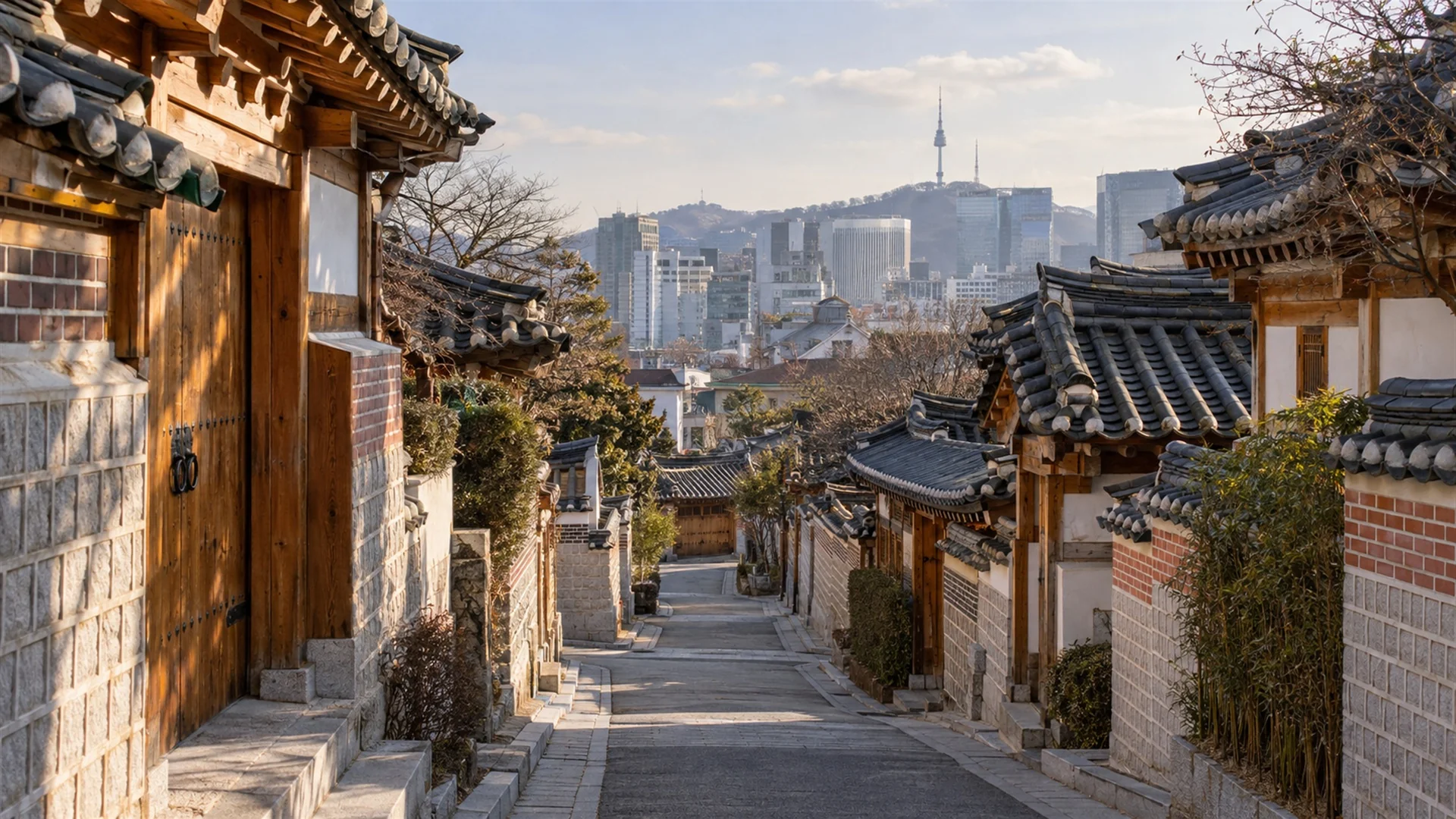
The hanok is Korea’s traditional house, and it is a building type rather than a decorative style. Timber frames carry heavy tiled roofs with gently upturned eaves. Rooms open onto a central courtyard, and paper-screened doors filter the light.
Two features define it. Ondol, the heated stone floor, warmed living rooms in winter. Meanwhile, the maru, a raised wooden hall, kept air moving through the humid summer. The house was designed around the seasons, not around a view.
Bukchon Hanok Village, set on the slope between Gyeongbokgung and Changdeokgung, holds the densest surviving cluster in the city. Many of its houses date from the early twentieth century, when the neighborhood was subdivided into smaller urban hanok.
It remains a residential area. Because of this, visits are best made quietly and in daylight, following the lanes rather than the crowds. Seochon, on the far side of Gyeongbokgung, offers a calmer alternative with its own hanok streets.
For a deeper experience, a night in a restored hanok guesthouse replaces the hotel for one evening. Few things to do in Seoul explain the city’s domestic past as clearly as sleeping on an ondol floor.
Insadong, Jongmyo and the Old City Core
Just south of Bukchon, Insadong gathers galleries, calligraphy shops and traditional tea houses along one main street and its alleys. It is the most direct way into Korean craft, from hanji paper to celadon ceramics.
Nearby, Jongmyo Shrine houses the ancestral tablets of the Joseon kings. It is also a World Heritage Site, and the long, austere main hall is among the most striking wooden buildings in East Asia.
Next, the Cheonggyecheon stream runs east through downtown. For decades it lay beneath a road and an elevated highway, and its restoration in the 2000s turned it into a walking corridor. It is a small example of the city deliberately recovering what it had covered.
In addition, the old city wall still climbs the ridges around the historic core. Sections near Naksan and Bugaksan can be walked in a morning, with views over the palace roofs toward the modern skyline.
Together, these sites form a single walkable district. The historic core is where the rebuilt character of Seoul is most visible.
The Korean Table: Gwangjang Market to Royal Cuisine
The Korean table is built on shared dishes. A meal arrives with banchan, small plates of kimchi, seasoned vegetables and pickles, set around rice and soup. Understanding this structure changes how a menu reads.
Gwangjang Market, trading since the early twentieth century, is the most atmospheric place to begin. Its food alleys serve bindaetteok, a crisp mung bean pancake, alongside mayak gimbap and yukhoe, a seasoned raw beef dish.
Beyond the market, the range widens. Hanjeongsik is the full-course table of many small dishes. Naengmyeon, cold buckwheat noodles, is a summer staple. Meanwhile, samgyetang, a whole young chicken simmered with ginseng, is traditionally eaten on the hottest days.
Korean royal court cuisine, refined over the Joseon centuries, survives in a handful of dedicated restaurants and cooking schools. Temple cuisine, prepared without meat or strong aromatics, offers another lineage entirely.
As a result, eating becomes one of the most instructive things to do in Seoul, as long as it is approached as a culture rather than a checklist.
Things to Do in Seoul Across the River and Into the Hills
Across the city, newer districts carry their own character. Seongsu, once a quarter of shoe workshops and warehouses, now fills its brick buildings with roasters, design studios and independent boutiques, while keeping some of its industrial fabric.
South of the Han River, Gangnam represents the contemporary city. Yet even here the past persists: Bongeunsa temple faces the convention district, and royal tombs of the Joseon kings sit among office towers. The Josun Palace hotel offers a refined base on this side of the river.
Meanwhile, Itaewon and neighboring Hannam-dong combine an international dining scene with serious art, including the Leeum Museum. The river itself links everything, with parks and cycling paths along both banks.
Finally, Bukhansan National Park rises on the northern edge of the city. Its granite peaks can be reached from central Seoul within an hour, and a guided morning hike ranks among the most unexpected things to do in Seoul.
For travelers with an extra day, a guided visit to the DMZ adds historical context to the north. It is a separate excursion, however, and the city itself holds more than enough.
Royal courtyards, hanok lanes, and a city rebuilt in layers
Signature Experiences
- Early morning visit to Gyeongbokgung before the courtyards fill
- Guided tour of the Huwon garden at Changdeokgung
- Quiet walk through Deoksugung and its stone wall road
- Daylight stroll through the lanes of Bukchon Hanok Village
- A night in a restored hanok guesthouse with ondol floors
- Tea house afternoon among the galleries of Insadong
- Guided tasting through the food alleys of Gwangjang Market
- Royal court cuisine dinner in the historic core
- Design studios and roasters in converted Seongsu warehouses
- Private morning hike among the granite peaks of Bukhansan
Ready to Begin the Journey?
Seoul rewards travelers who arrive with more than a playlist. At EscapeXperts, we pace the palaces across calm mornings and pair each district with the right guide, combining seamless logistics, private experiences and curated cultural access.
Why Travel to Seoul with EscapeXperts
Seoul is often presented as a modern capital, yet its royal heritage stands in plain sight. At EscapeXperts, we secure palace garden tours, arrange hanok stays and introduce the Korean table through people who know it well. The result is a thoughtful selection of things to do in Seoul, shaped around how you want to experience the city.