Best months: April to November (dry season)
Country: Madagascar
Region: Andasibe · Ranomafana · Tsingy de Bemaraha · Nosy Be
Best for: Endemic wildlife, lemurs, off-path discovery
Madagascar: Lemurs, Baobabs and a World Apart
Madagascar travel is a journey into a world found nowhere else. Isolated for around ninety million years, this island evolved its own cast of species — lemurs, chameleons and ancient baobab trees — that exist on no other landmass on earth.
At Escape Xperts, we design Madagascar travel for the curious traveler who values rarity over glamour. This is not a Big Five safari of the savanna, but a slower, deeper discovery of endemism, park by park.
Not a Big Five Safari: A World Apart
It is important to set expectations from the start. There are no lions here, no elephants, no herds thundering across plains. Madagascar offers something entirely different.
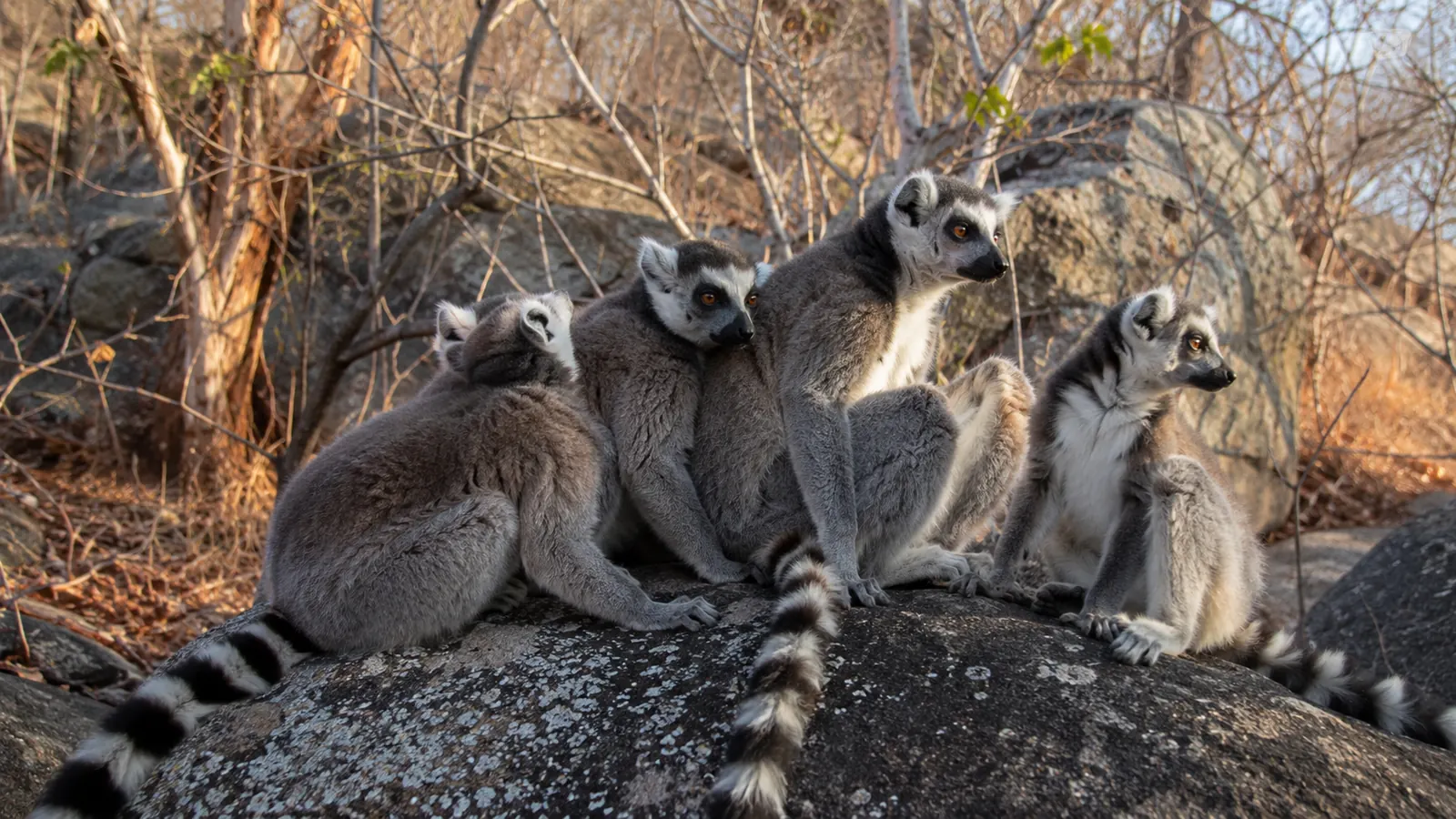
Instead, the appeal is biodiversity of extraordinary uniqueness — more than a hundred species of lemur, half the world’s chameleon species, and forests unlike any other. Roughly ninety percent of its wildlife is found only here.
Because of this, Madagascar travel rewards those who come to discover rather than to tick off the familiar. The pleasure is in the strangeness and the sheer improbability of it all.
This reframing matters because it shapes the whole trip. A traveler expecting savanna game drives may be disappointed; one who arrives ready to walk quiet forest trails in search of the rare and the strange will be enthralled.
Therefore, this is a destination for the naturalist at heart, whatever their level of expertise.
The Lemurs and Endemic Wildlife
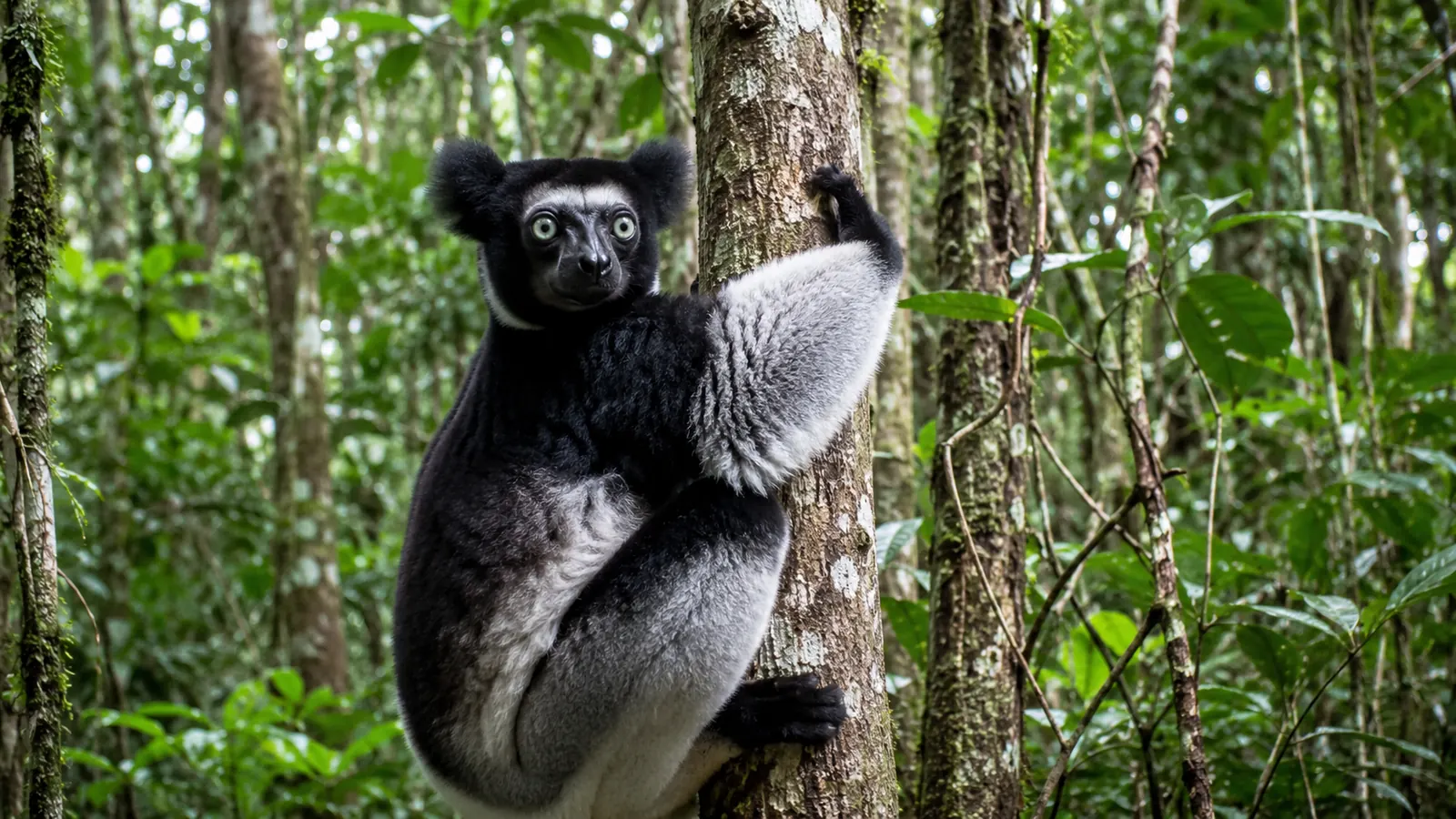
The lemurs are the island’s signature. They range from the tiny mouse lemur, among the world’s smallest primates, to the indri, the largest, whose haunting song carries through the rainforest.
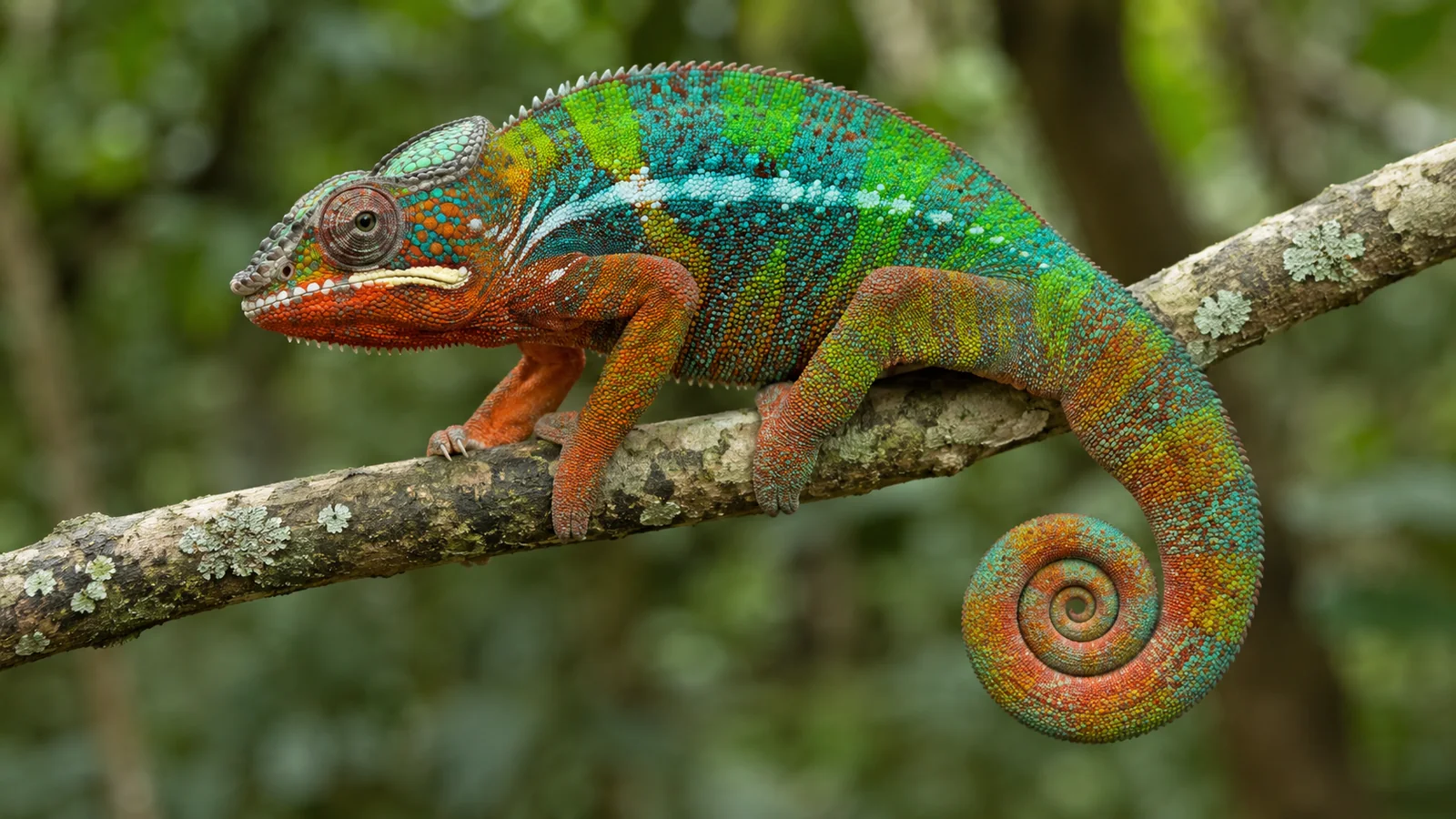
Beyond the primates, the island teems with chameleons in every size and color, extraordinary insects, and birds found nowhere else. Even the plants — spiny forests, orchids, the octopus tree — feel otherworldly.
Meanwhile, encounters here are on foot, quietly, with a specialist guide reading the canopy. This intimacy is the essence of Madagascar travel.
New species are still being described here with regularity, a reminder of how little of the island is fully known. Few places on earth offer that sense of genuine scientific frontier.
As a result, patience and curiosity count for more than luck.
Rainforest Parks: Andasibe and Ranomafana
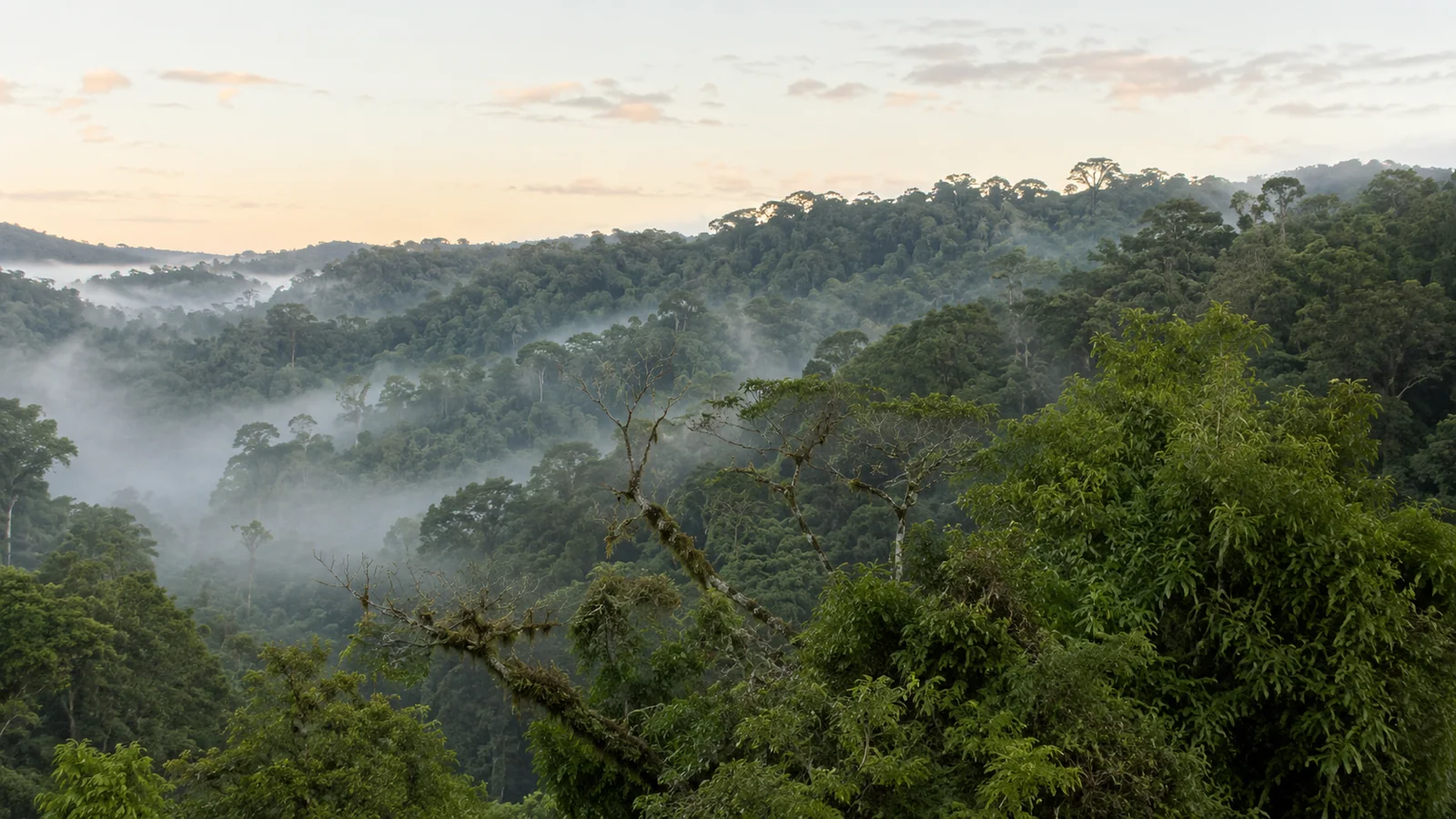
The eastern rainforests are the most accessible starting point. Andasibe, a few hours from the capital, is home to the indri and offers rewarding walks by day and night.
Further south, Ranomafana protects dense montane rainforest alive with several lemur species, including the golden bamboo lemur discovered here in the 1980s. Night walks reveal a whole nocturnal cast.
Because these parks are relatively easy to reach, they anchor most first itineraries. They deliver the essential rainforest experience without the longer journeys the west demands.
In addition, the highland scenery between them — terraced rice paddies and red-earth villages — is a journey in itself.
The West: Baobabs and Tsingy
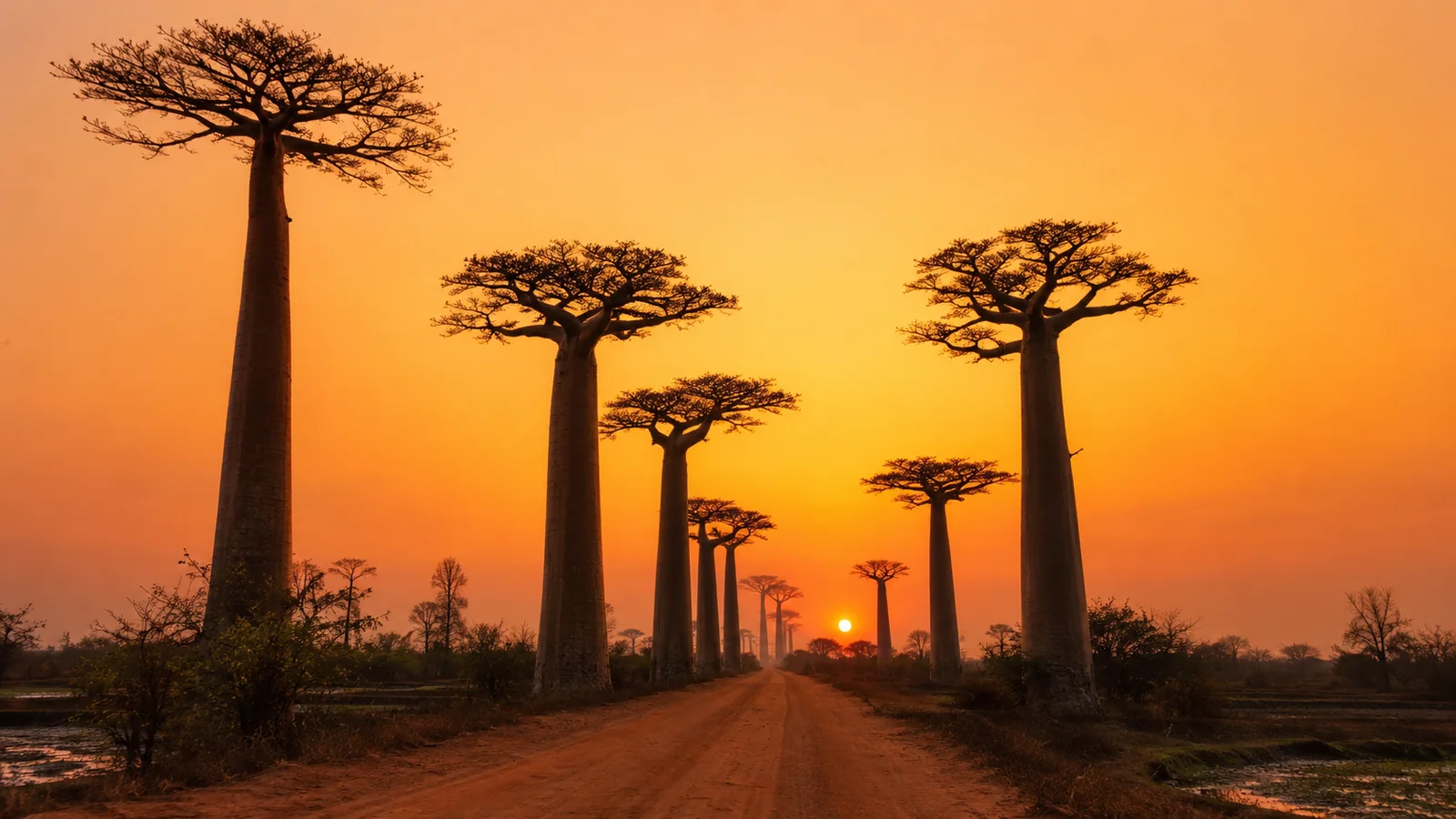
The west offers the island’s most iconic images. The Avenue of the Baobabs near Morondava, where centuries-old giants line a dirt road, is unforgettable at sunset.
Nearby, Tsingy de Bemaraha — a UNESCO World Heritage site — is a labyrinth of razor-sharp limestone pinnacles, crossed by walkways and rope bridges. It is one of the most dramatic landscapes in Africa.
Meanwhile, the dry deciduous forests of the west shelter their own lemurs and the desert-like Isalo massif to the south adds canyons and natural pools.
Reaching Tsingy typically means a flight to Morondava and a rugged overland stretch, so the region is best given several days rather than a rushed visit. The effort is precisely what keeps it uncrowded.
Because the west involves rougher travel, it suits those with time and a spirit of adventure — but the rewards are the island’s most spectacular.
When to Go
The dry season, from April to November, is the best window for Madagascar travel. Trails are passable, wildlife is active, and the weather across most of the island is reliable.
September to November is especially rewarding, when many lemurs carry newborns and the forests stir back to life. This is prime time for wildlife viewing.
In contrast, the cyclone season from January to March brings heavy rain and closes many roads and parks. This period is best avoided for all but the hardiest travelers.
Therefore, timing matters more here than in many destinations — the seasons genuinely dictate where and how you can travel.
Beaches, Nosy Be and Logistics
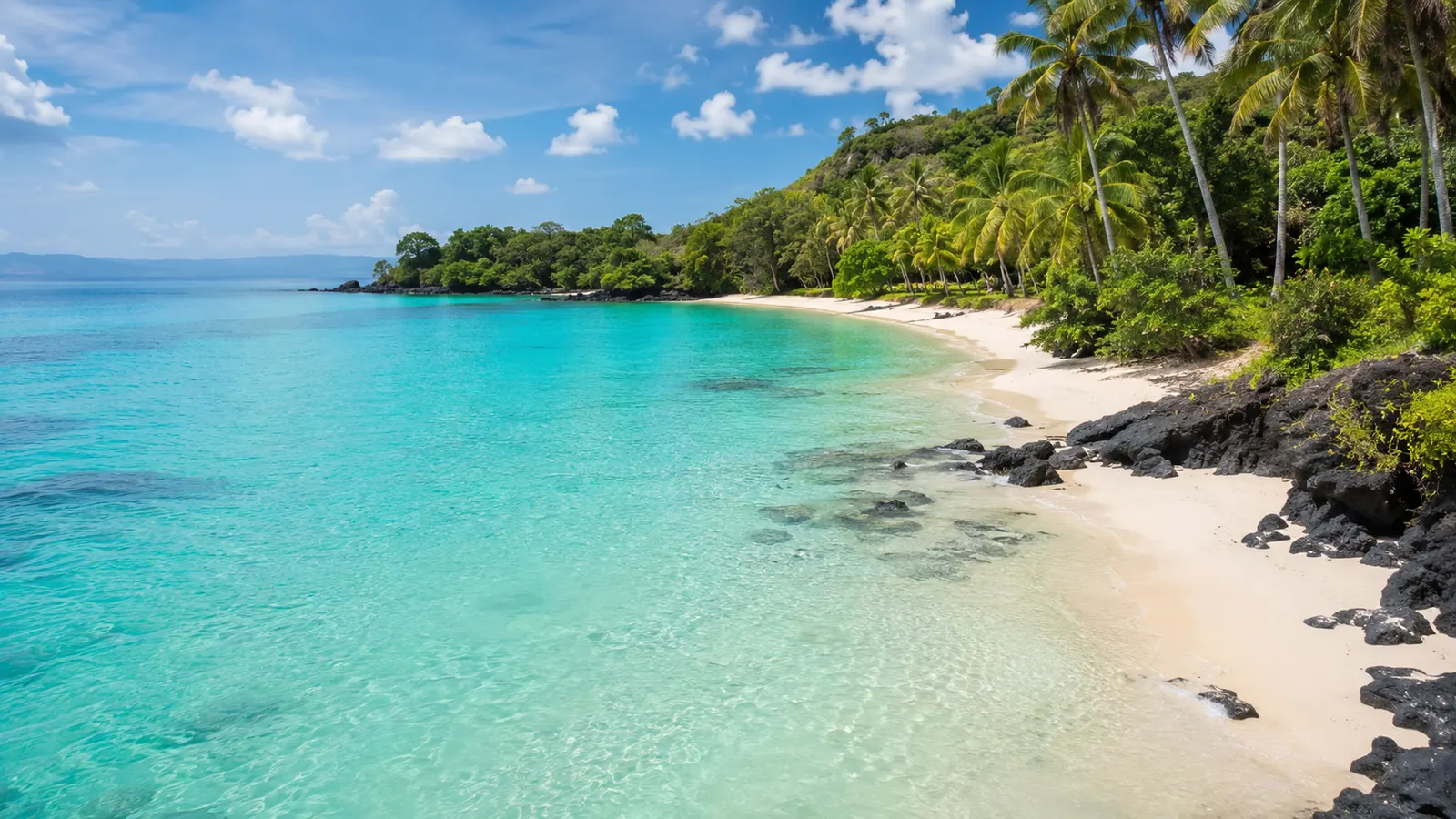
After the forests, the coast offers a fitting finale. Nosy Be, off the northwest coast, is the island’s premier beach destination, with turquoise water and relaxed island resorts.
For true seclusion, Anjajavy — a remote peninsula lodge where baobabs meet the sea and lemurs wander the grounds — is among the most magical places to stay in the whole country.
Pairing two or three regions is the key to a satisfying trip: rainforest in the east, baobabs and Tsingy in the west, and a coastal finish. Trying to see everything in one visit only leads to exhausting travel days.
Because internal distances are long and roads slow, well-planned Madagascar travel relies on domestic flights to link regions. A realistic trip needs at least ten days to two weeks.
Finally, this combination of forest, rock, baobab and beach is what makes the island so rewarding. For destination information, see https://whc.unesco.org/en/list/494
Ancient baobabs, singing lemurs, and an island that evolved entirely on its own
Signature Experiences
- Dawn walk to hear the indri sing in Andasibe
- Night walk for nocturnal lemurs in Ranomafana
- Sunset at the Avenue of the Baobabs
- Cross the limestone pinnacles of Tsingy de Bemaraha
- Chameleon spotting on a forest trail
- Canyon walk and natural pools in Isalo
- Ring-tailed lemurs in the spiny forest
- Seclusion at remote Anjajavy
- Snorkeling the reefs off Nosy Be
- Highland rice-terrace scenery by road
Ready for Something Extraordinary?
Madagascar rewards travelers who come for rarity and discovery. At Escape Xperts, we design journeys around seamless internal logistics, specialist naturalist guiding and curated lodges — linking rainforest, baobab country and the coast into one considered route.
Why Travel to Madagascar with Escape Xperts
Madagascar offers what no other destination can — an island of lemurs, baobabs and endemic wildlife that evolved in isolation over millions of years. At Escape Xperts, we handle the complex internal flights, secure specialist guides and the finest remote lodges, and time the journey to the dry season, so Madagascar travel becomes a seamless discovery of a genuinely singular world.