Suggested stay: Four to five nights on a return visit
Organized by: Arrondissement and hour of the day
Country: France
Areas covered: 1st & 2nd · Le Marais · Saint-Germain-des-Prés · Île Saint-Louis · 8th & 12th
Things to Do in Paris on a Second Visit
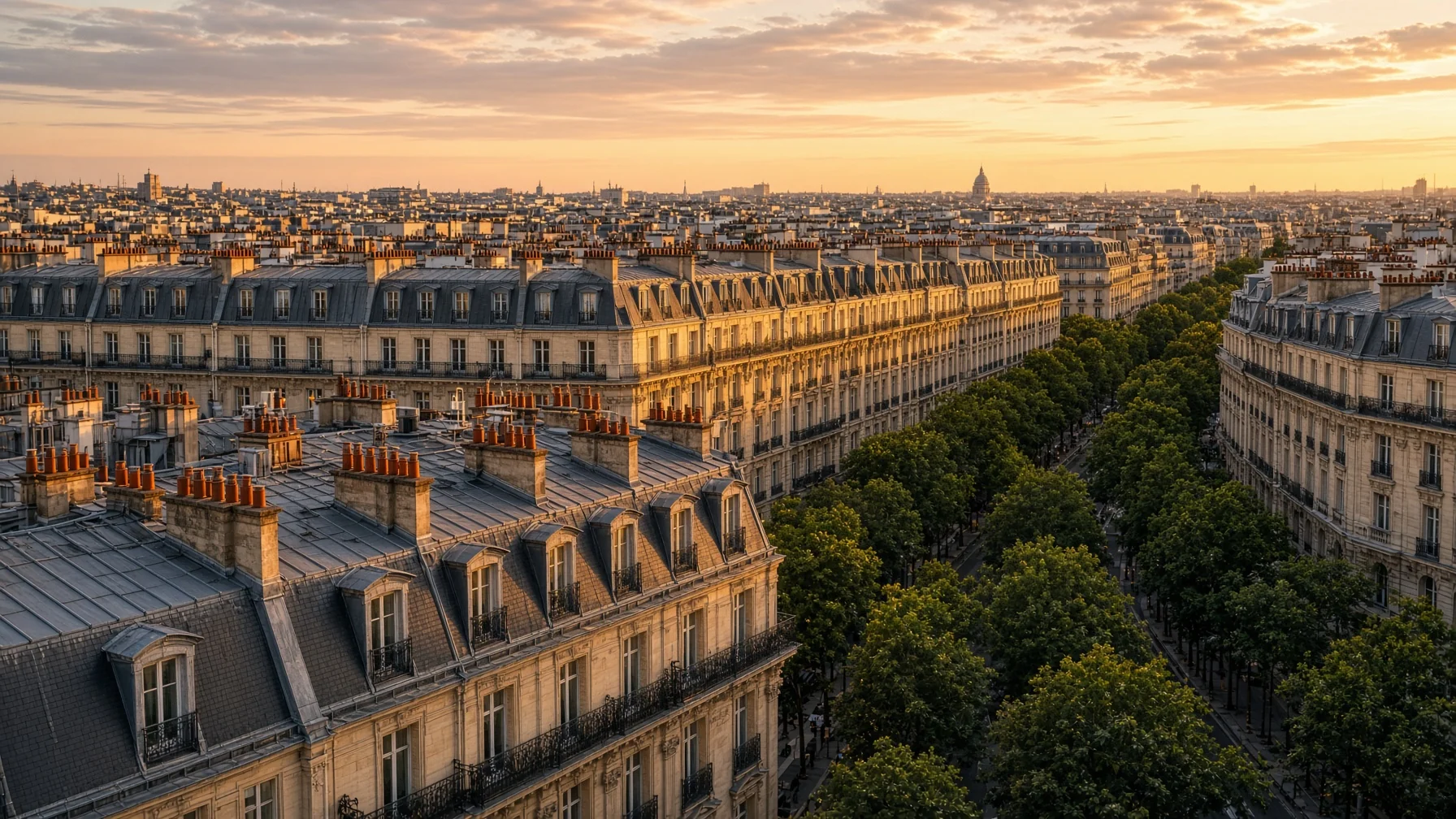
The best things to do in Paris for a returning visitor are not sights but hours. The icons have already been seen, photographed and crossed off, and what remains is the city between them, which runs on a schedule that no list of monuments records.
Paris is a city of twenty arrondissements arranged in a spiral, and each one keeps its own rhythm. The 1st belongs to the early morning, Le Marais to the middle of the day, the 6th to the late afternoon, and the 9th to the evening.
At Escape Xperts, we plan return visits by neighborhood and by time slot rather than by attraction, so the day moves outward through the spiral instead of crossing the city four times.
The 1st and 2nd Before the Doors Open
The Louvre receives around thirty thousand visitors on a busy day, and the difference between the first hour and the third is the difference between a museum and a station concourse.
Access outside standard hours exists in three real forms, and precision matters here. The museum runs its own late evening opening one day a week, when the galleries thin out considerably after eight. Certain rooms can be visited before the public opening through the museum’s professional and partner programs, arranged well in advance and never guaranteed for a specific date. Private after-closing visits are limited, granted case by case, and are not a service any operator can promise on demand.
Therefore, the honest planning advice is to build the visit around the late evening opening, which is reliable, and to treat pre-opening access as a possibility rather than a fixture.
Next, the streets north of the museum reward the same early hour. Rue Saint-Honoré runs east to west through the 1st with the couture houses at one end and the older confectioners at the other, and it is walkable before the shops open.
Beyond it lies the network of covered passages built in the 1820s. Galerie Vivienne is the finest of them, a glass-roofed arcade with mosaic floors, a rotunda and a flagship boutique among the booksellers. Among the things to do in Paris in the first hours of the day, the passages are the least crowded and the most consistently overlooked.
Le Marais and the Museums That Stay Small
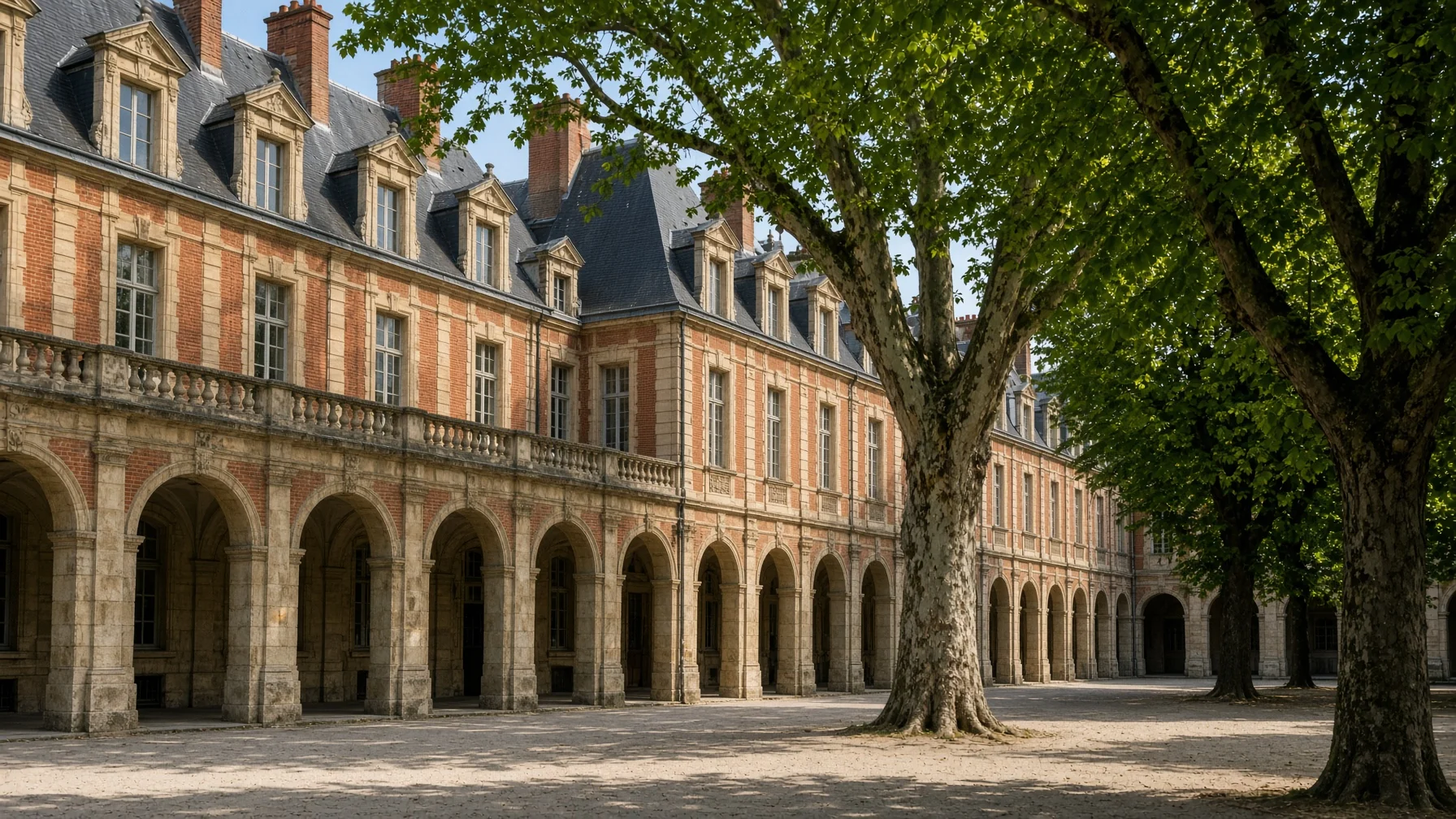
Le Marais covers the 3rd and 4th arrondissements and holds the largest concentration of pre-revolutionary architecture in the city, because it was the one district Haussmann left alone.
Its scale is domestic. The private mansions built for the seventeenth-century aristocracy now house museums small enough to be seen properly in ninety minutes, which is the correct length for a museum visit and roughly a quarter of what the Louvre demands.
Here, the Musée Cognacq-Jay and the Musée Picasso are the two to prioritize, both installed in hôtels particuliers with their courtyards and staircases intact. Across the river in the 7th, the Musée Rodin works on the same principle, with a sculpture garden that functions as the only quiet lawn in the neighborhood.
Meanwhile, the middle of the day is when the Marais is at its best and the rest of the city at its most crowded. The lanes around the Place des Vosges are shaded, the galleries keep unhurried hours, and Sunday is the one day the quarter stays open while much of Paris closes.
As a result, this is the block of the day to leave unstructured. The things to do in Paris that stay in the memory tend to happen in the hours nobody scheduled.
The Left Bank in the Afternoon
Saint-Germain-des-Prés occupies the 6th and is the arrondissement most changed by its own reputation, which does not make it less worth the afternoon.
Its bookshops remain the reason to walk it. The publishing houses are still here, the antiquarian dealers still occupy the streets around the abbey, and the art dealers of the Carré Rive Gauche work in a concentration found nowhere else in Europe.
Beyond the bookshops, the Musée d’Orsay holds the late afternoon better than the morning. It closes late one evening a week, the Impressionist floor empties from around five, and the clock face on the upper level gives the best framed view of the right bank in the city.
Finally, the day ends on Île Saint-Louis. It is one street long, residential, entirely without monuments, and the quietest ground in central Paris at dusk. The Sainte-Chapelle stands a few minutes west on the neighboring island, and its evening concerts are the one way to see the glass without a queue in front of it.
The riverboats pass below throughout, and the Seine is worth its own day rather than a passing hour.
Markets and the Parisian Table
The Marché d’Aligre in the 12th is the market Parisians actually use. It runs six mornings a week and combines a covered hall, an open-air line of produce stalls and a flea market in the same square, with the prices and the noise of a working neighborhood rather than a demonstration.
Because of this, it is the clearest window onto how the city eats. The cheese is bought at one counter, the bread at another and the wine at a third, and the whole system depends on the fact that nobody buys a week’s food at once.
In addition, the neighborhood table is where Parisian cooking has moved. The bistronomie kitchens of the 11th and the 12th are run by chefs who trained in the grand houses and left them, and they are booked several weeks out despite having no stars.
At the other end of the scale, Alain Ducasse au Plaza Athénée in the 8th remains the reference point, with its naturalité menu built on fish, vegetables and grain rather than the classical repertoire, in a dining room that was stripped and rebuilt around the idea.
Therefore, both ends deserve a place. Among the things to do in Paris, eating at the two extremes of the same city in the same week tells you more than either does alone.
The Evening: Palais Garnier and What Must Be Booked Early
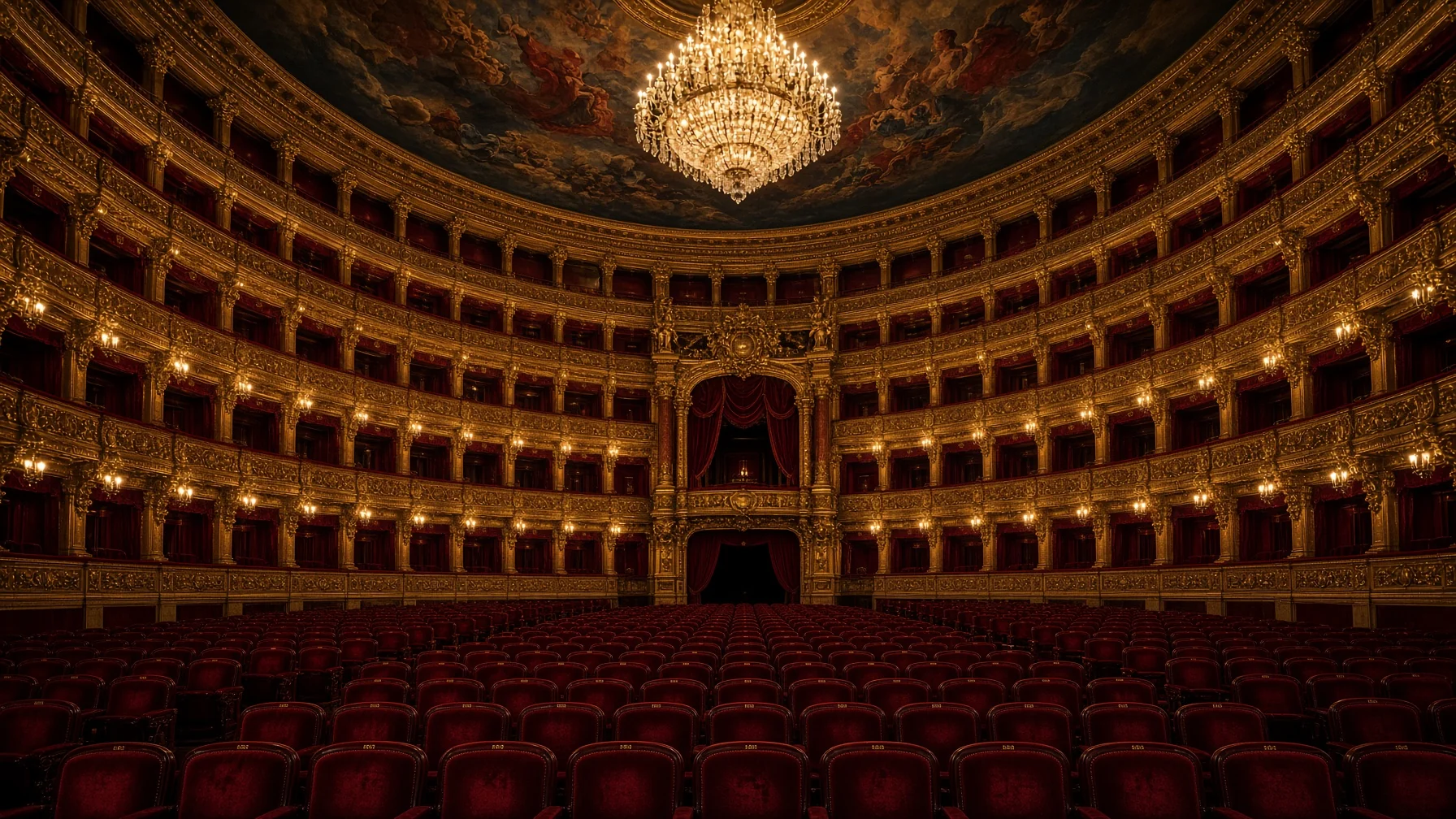
The Palais Garnier is the most theatrical interior in Paris and it is at its best occupied. The grand staircase was designed as a stage for the audience, and it only performs that function on a performance night.
Its ballet program is the one to book, and the practical detail is the timing. Seats for the main season are released months ahead and the best boxes go immediately, so the calendar dictates the trip rather than the other way around. Of all the things to do in Paris after dark, this is the one booked first.
Meanwhile, the building can also be visited by day, which is worth doing for the auditorium ceiling and the library-museum, though it is a different experience from the one the architecture was built for.
Next, the evening around it belongs to the 9th and the 2nd: the covered passages lit from within, the old restaurants near the Bourse, and the bars that fill only after the curtain falls.
For official cultural listings, see https://www.france.fr
Empty galleries at opening, covered passages at noon, and a market street before the bread runs out
Signature Experiences
- Late evening galleries at the Louvre after the day crowds leave
- Couture windows on Rue Saint-Honoré before opening
- Mosaic floors and glass roof of Galerie Vivienne
- Seventeenth-century courtyards across Le Marais
- Sculpture garden and quiet rooms of the Musée Rodin
- Antiquarian dealers in Saint-Germain-des-Prés
- Impressionist floor of the Musée d’Orsay at closing hour
- Dusk on Île Saint-Louis with the quays empty
- Evening concert beneath the glass of Sainte-Chapelle
- Morning stalls and covered hall of the Marché d’Aligre
- Naturalité menu at Alain Ducasse au Plaza Athénée
- Ballet from a box at the Palais Garnier
Let’s Design Your Experience
Paris on a second visit is a question of access and sequence rather than of sights. At Escape Xperts, we hold the openings, the tables and the boxes that decide how the week feels, combining seamless logistics, private guiding and curated exploration arrondissement by arrondissement.
Why Travel to Paris with Escape Xperts
Paris is not short of recommendations. What it lacks is order: the same museum, market or street changes completely depending on the hour it is approached and the door it is entered by. At Escape Xperts, we build the week around those hours and secure the access that makes them possible, which is what the most rewarding things to do in Paris quietly depend on.