Best months (highlands): May to September
Best months (coast): December to April
Quietest months: January to March, in the Andean green season
Regions covered: Andean highlands · Pacific coast · Southern Andes · Amazon basin
Best Time to Visit Peru: Three Calendars in One Country
The best time to visit Peru depends on which Peru is in question. The Andean highlands are driest from May to September, the Pacific coast is sunniest from December to April, and the rainforest follows its own river cycle. Because the coast and the mountains run on opposite calendars, the right month is a matter of region, not country.
Most planning advice stops at the first of those calendars. That rule is sound for Cusco and Machu Picchu, yet it leaves out the green months, when the Andes are quieter, and the coastal winter, when Lima disappears under a low grey sky.
At EscapeXperts, we time Peru by altitude and by coastline. This guide sets out what each season offers, where the calendars contradict each other, and how to combine regions in a single journey.
The Best Time to Visit Peru, and What the Usual Rule Leaves Out
The familiar advice is to travel between May and September. It describes the Andean dry season accurately: clear skies, cold nights, sharp light and dependable conditions for walking in the mountains.
However, the same months are the busiest of the year across the highlands. The Sacred Valley hotels, the trains and the entry slots at the citadel all fill first for June, July and August, which is why this period needs the longest planning horizon.
In addition, the rule says nothing about the coast. A traveler who lands in Lima in July often finds a cool, overcast capital, and assumes something has gone wrong with the forecast. It has not. The coast is simply in its own winter.
Therefore, the best time to visit Peru for a highland-only journey differs from the best time for a route that also includes the desert south or a stay in the capital.
The Andean Dry Season, May to September
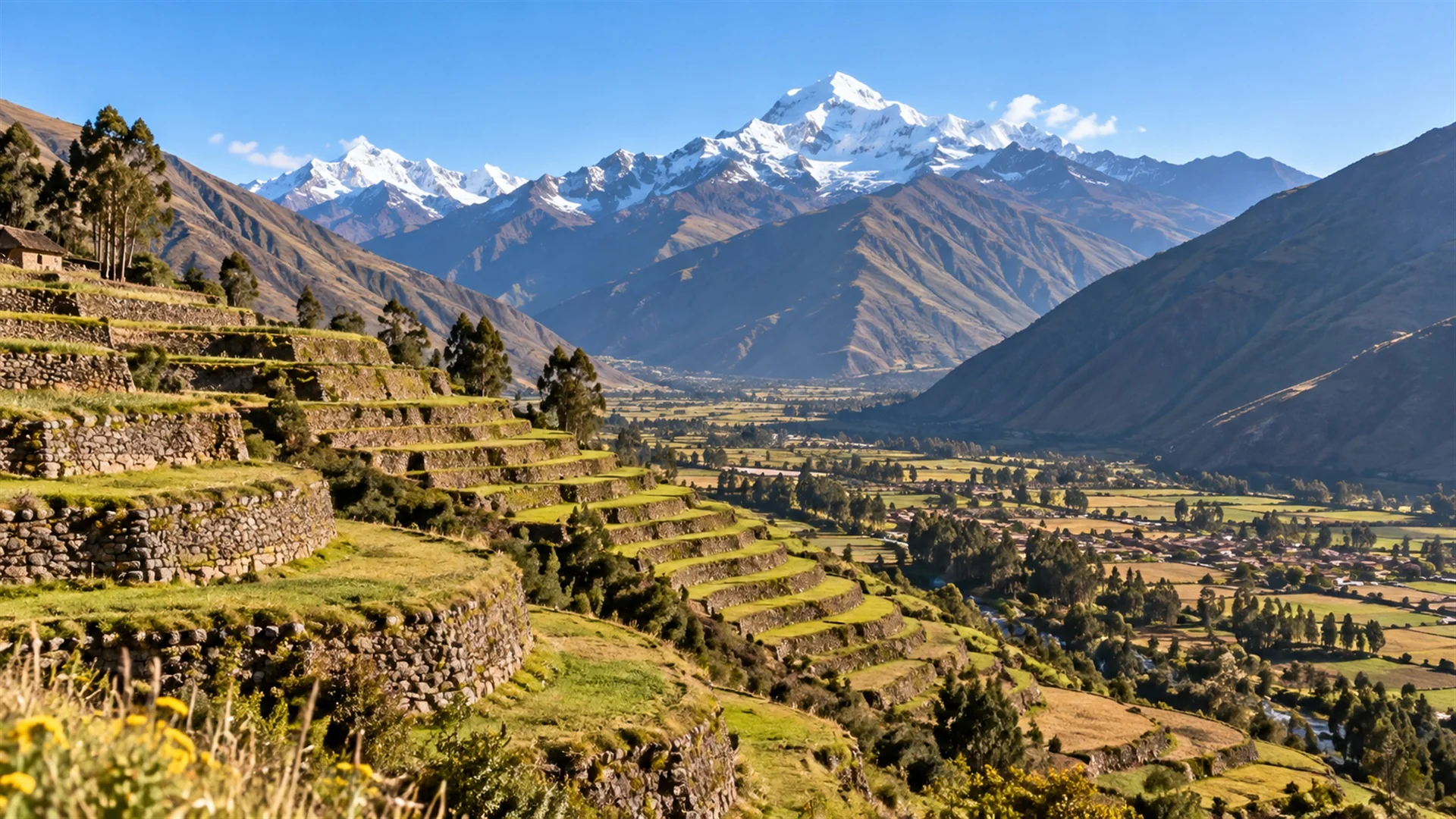
From May, the rains retreat from the Andes and the landscape turns from green to gold. Days are clear and warm in the sun, while nights in Cusco and around Lake Titicaca drop close to freezing, particularly in June and July.
May and September are the refined choices within the season. The weather is already dependable in May and still holds in September, while the school holiday weeks of July and August bring the largest crowds.
Meanwhile, the southern Andes reward the same window. Arequipa is bright and dry for most of the year, and the Colca Canyon is at its most accessible in the dry months, when condors ride the morning thermals above the canyon walls.
For travelers focused on the mountains alone, this is the best time to visit Peru in the traditional sense: the most reliable skies and the most straightforward logistics, at the cost of busier sites.
The Green Season and What It Actually Buys
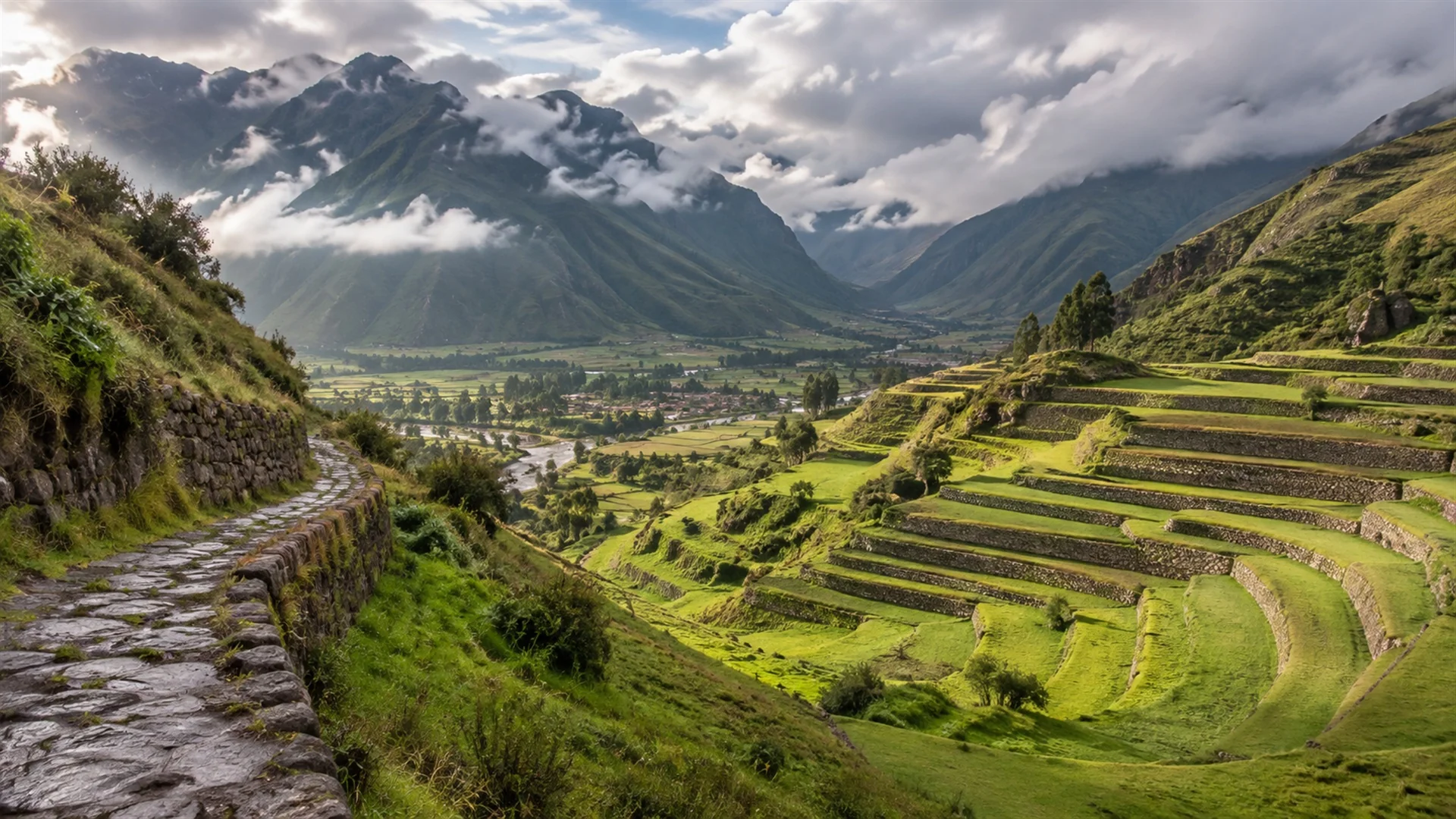
The green season runs roughly from December to March, with the heaviest rain in January and February. It is usually dismissed in a sentence, and it deserves more attention than that.
Rain in the Andes tends to arrive in the afternoon rather than all day. Mornings are often clear, the terraces turn a deep green, and the mountains carry cloud in a way the dry months never allow. Photographers frequently prefer it.
Visitor numbers fall noticeably in these months. As a result, the citadel, the valley and the Cusco streets feel calmer, and entry slots and preferred rooms are considerably easier to secure than in July.
There are trade-offs. The classic Inca Trail closes each February for maintenance, some mountain roads slow after heavy rain, and flexible days in the itinerary become important. Because of this, the green months suit travelers who value space and atmosphere over guaranteed sunshine.
The Coast Runs on the Opposite Calendar
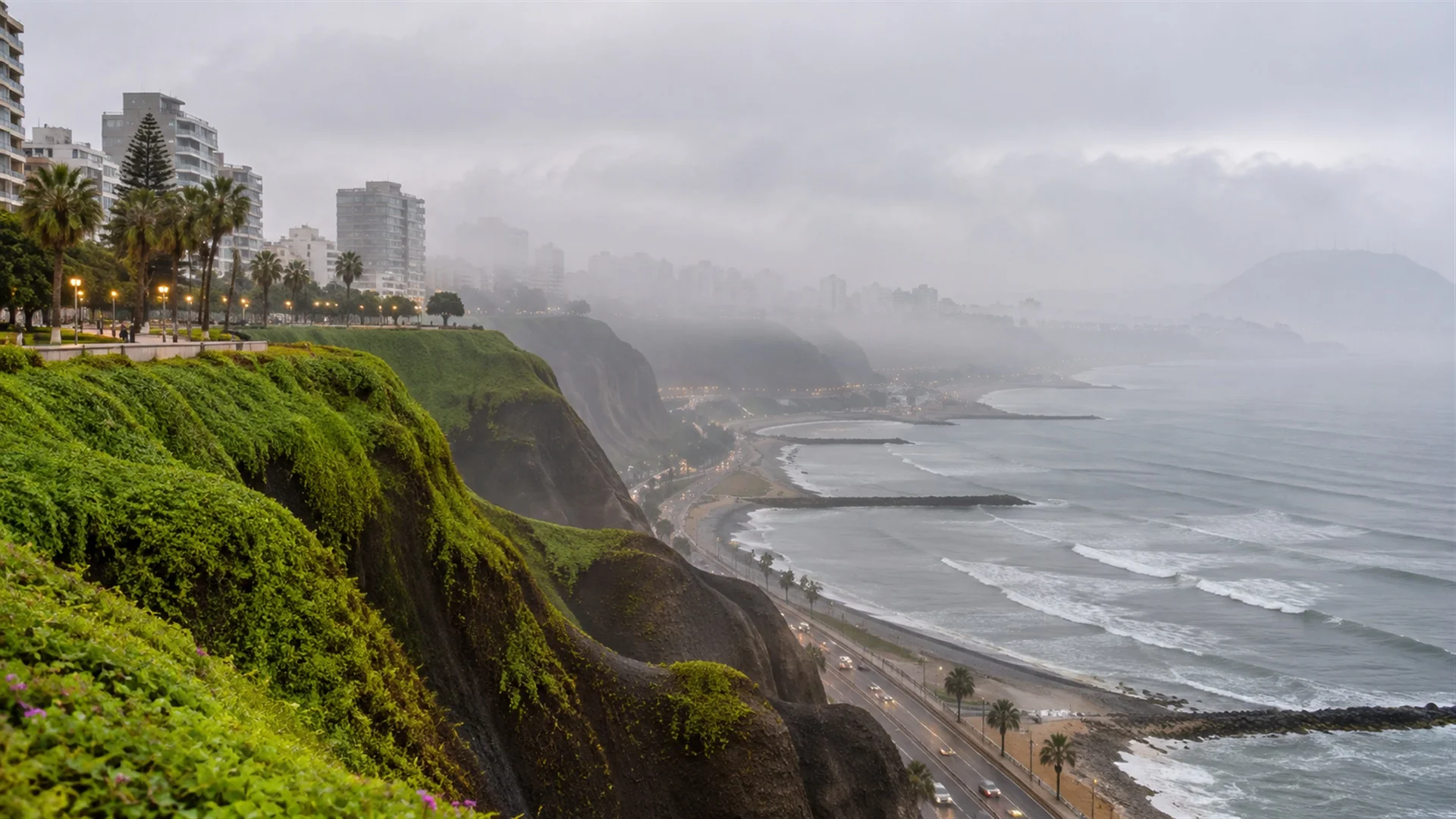
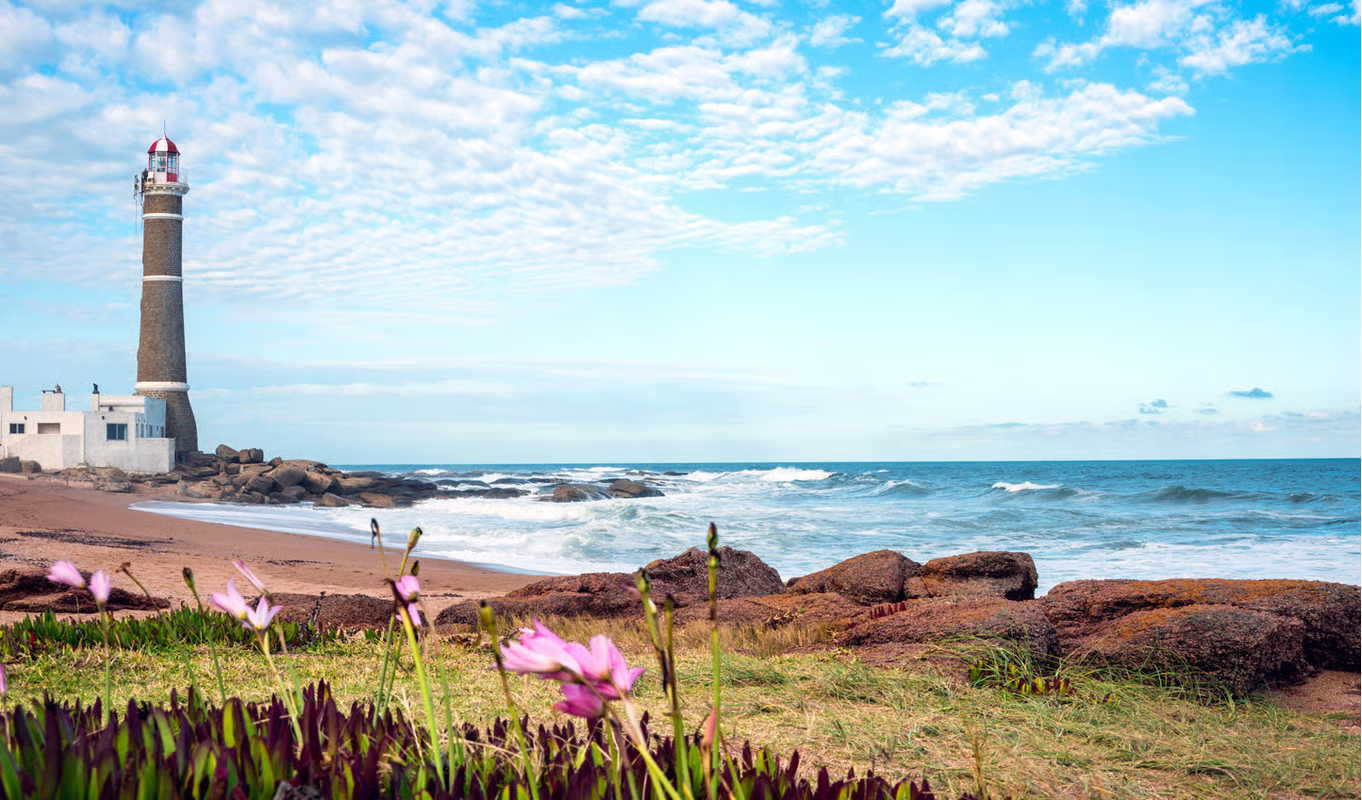
The Pacific coast is a desert cooled by the Humboldt Current. From roughly June to October, a persistent low mist known as the garúa settles over Lima, bringing damp air, a grey sky and almost no rain.
In contrast, the coastal summer from December to April is bright and warm. This is when Lima’s clifftop districts are at their most appealing, just as the Andes enter their wettest weeks. The two calendars are almost perfect mirrors.
Further south, the mist thins. Paracas and the desert coast around it are sunnier through the year, though the afternoon wind strengthens in the winter months, which suits early starts for boat trips to the offshore islands.
For a coastal stay, then, the best time to visit Peru falls in the southern summer, exactly when the highlands are least predictable.
Peru Month by Month: Highlands, Coast and Rainforest
- January to February: Highlands at their wettest, very quiet · Coast in full summer sun · Rainforest at high water
- March to April: Highlands clearing, green and calm · Coast still warm and bright · Rainforest high water easing
- May to June: Highlands dry and clear, busier from June · Coast turning cool under the garúa · Rainforest drier
- July to August: Highlands at peak season and coldest nights · Coast grey and mild · Rainforest in low water
- September to October: Highlands dry, crowds thinning · Coast still misty · Rainforest low water, warming
- November to December: Highlands turning green as rain returns · Coast brightening into summer · Rainforest rivers rising
Read across the rows, the contradiction becomes clear. The weeks that suit the mountains best are the weeks that suit the coast least, and the reverse holds just as firmly.
As a result, April and May are often the months that reconcile both. The highlands are drying out and turning gold, the crowds of mid-year have not yet arrived, and the coast still holds the last of its summer light. For a route that joins Lima and Cusco, this is frequently the best time to visit Peru.
The Amazon basin runs on a third rhythm, set by river levels rather than by temperature, and it is best planned as a separate chapter of the journey.
Inti Raymi and the Weeks That Fill Cusco
Inti Raymi, the Inca festival of the sun, is staged in Cusco every 24 June. It is a remarkable spectacle, and it also fills the city’s finest hotels many months in advance.
The celebration unfolds across several sites, from the main square to the ceremonial esplanade above the city, and the days around it bring parades, music and crowds from across the Andes. The atmosphere is extraordinary, and the pressure on rooms, restaurants and transport is equally real.
Therefore, the festival is best treated as a question of availability. Travelers who wish to attend should secure rooms early, while those who do not should shift their Cusco nights a week in either direction. Finally, the Christmas and Easter weeks follow the same pattern on a smaller scale.
For official regional information, see https://www.peru.travel
Dry mountain light, green valleys, and a coast that keeps its own seasons
Signature Experiences
- Clear dry season mornings over the Sacred Valley terraces
- Quiet green season visits to the Machu Picchu citadel
- Condor watching above the Colca Canyon in the dry months
- Colonial evenings in the white stone center of Arequipa
- Summer clifftop dining along the coast of Lima
- Early boat outings from Paracas before the afternoon wind
- Reserved viewing of Inti Raymi in Cusco
- Crisp winter light across Lake Titicaca
- Cloud-draped Andean peaks in the green months
Explore more Latin America journeys: EscapeXperts curates luxury Latin America journeys across the region. To shape the next itinerary, speak with an EscapeXperts travel advisor.
Ready for Something Extraordinary?
Peru rewards travelers who plan around its three calendars rather than against them. At EscapeXperts, we align the route with the season, combining seamless logistics, private experiences and curated exploration so that each region is reached in its best weeks.
Why Travel to Peru with EscapeXperts
Peru is not one climate but three, and a journey that crosses the coast and the Andes must reconcile them. At EscapeXperts, we read those calendars together, choosing the order of regions, the right weeks for each and the rooms that matter. The result is a clear answer to the best time to visit Peru for the journey you actually want to take.