
Best months: November to April, with regional exceptions
Hurricane window: June to November, peaking August to October
Regions covered: Central Highlands · Caribbean Coast · Baja California Sur
Book by: Six to nine months ahead for Day of the Dead, Christmas and Semana Santa
The best time to visit Mexico is broadly November to April, when the dry season covers most of the country. However, Mexico runs on three separate calendars: the high plateau around Mexico City and Oaxaca, the Caribbean coast of the Yucatán, and the desert peninsula of Baja California Sur. Each peaks for different reasons.
Most travelers still treat Mexico as a winter beach escape and plan it around a single resort. At EscapeXperts, we read the country the other way around. The coast, the highlands and the desert each have their own weather, their own wildlife and their own festival dates, and the strongest journeys are built where those calendars overlap.
Why the Best Time to Visit Mexico Depends on the Region
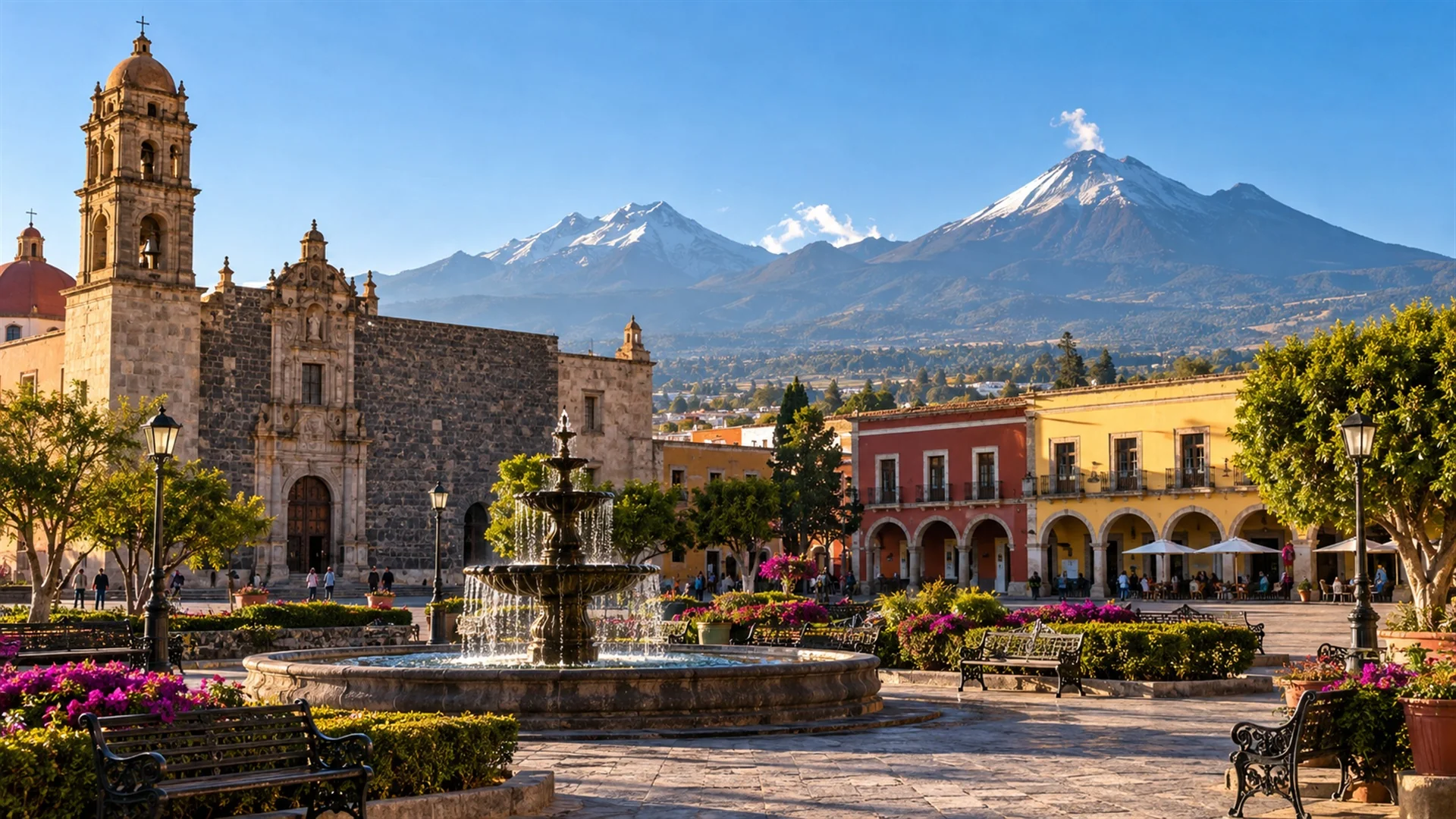
Mexico is a country of altitude as much as latitude. Mexico City sits at roughly 7,350 feet, and much of the central plateau lies well above 5,000 feet. As a result, the highlands feel temperate for most of the year, with cool mornings and dry, bright afternoons through the winter months.
The coasts behave differently. The Caribbean side is humid and warm all year, and its seasons are defined by rain and storms rather than temperature. Meanwhile, Baja is a true desert, where the question is not rainfall but summer heat and the arrival of the whales.
Therefore, a single answer to the best time to visit Mexico rarely survives contact with an actual route. A family combining the capital with a beach week needs the highland dry season and the coastal dry season to coincide, which they do most reliably between December and April.
In addition, school calendars shape availability as much as weather. The Christmas weeks, the spring holidays and the summer break each create their own peaks, and the best family properties fill for those dates long before the rest of the year.
The Highland Dry Season: Mexico City and Oaxaca
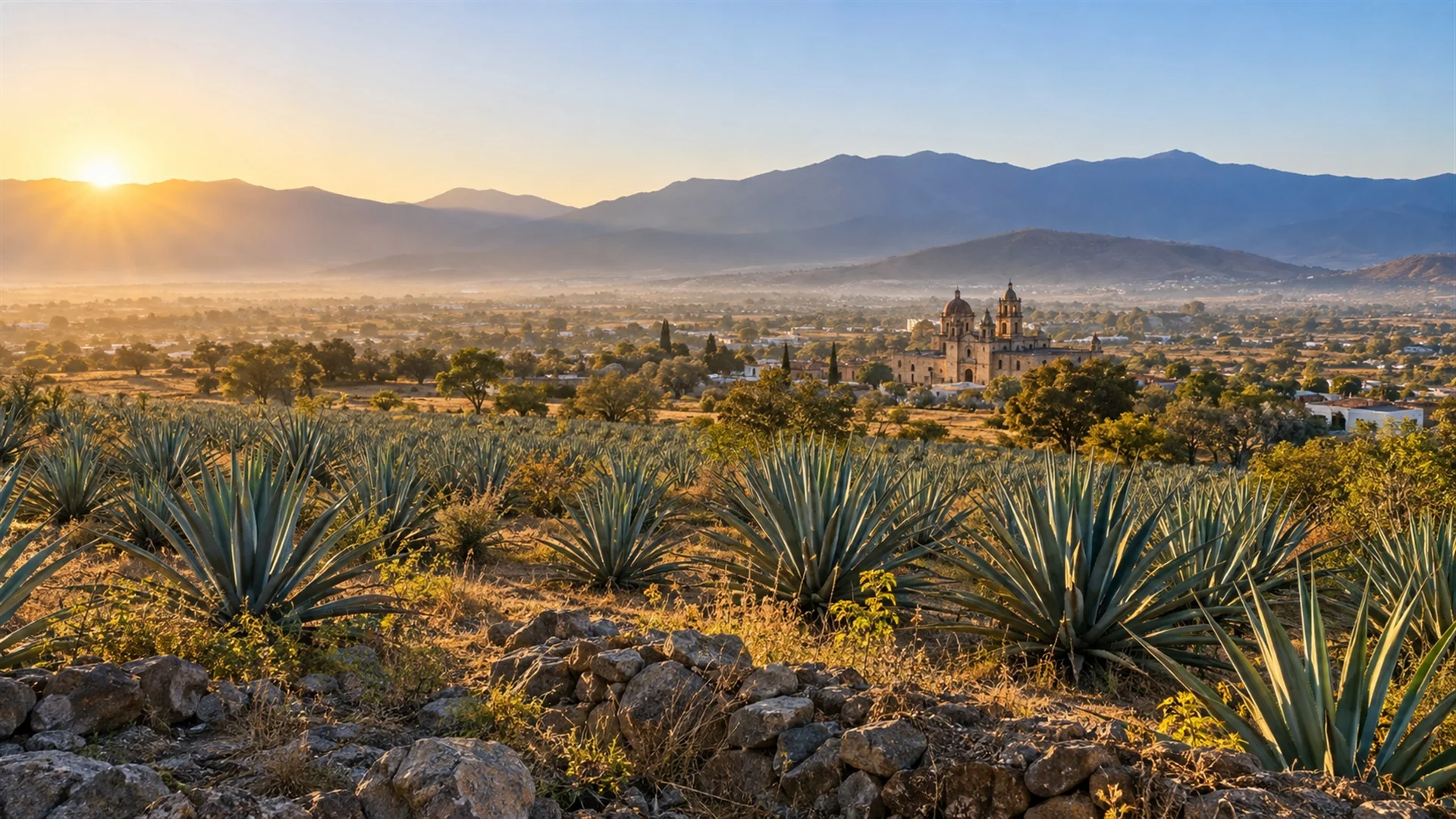
The highland dry season runs from roughly November to April. Skies are clear, humidity is low and daytime temperatures are comfortable for walking. Evenings in the capital can turn genuinely cold in December and January, which surprises travelers who packed only for the coast.
From May, the pattern shifts. The rainy season arrives in June and continues into September, usually as short afternoon storms after sunny mornings. Because of this, the highlands remain perfectly workable in summer, provided museum visits and indoor dining are scheduled for the late afternoon.
April and May are the warmest months in Mexico City, and also the driest. Meanwhile, Oaxaca follows a similar rhythm, with its valleys turning green only once the rains have properly set in, usually by July.
Beyond the capital, the colonial cities of the central plateau share the same rhythm. Stone plazas, cathedral interiors and hacienda gardens are most rewarding under the clear skies of winter, when a full day on foot remains comfortable from morning to dusk. In addition, the dry months keep mountain roads predictable, which matters when a route links several highland towns by private driver.
For a highland journey, the best time to visit Mexico is therefore late October through March. The light is sharp, the markets are full, and the plateau is at its most comfortable before the heat builds in spring.
The Caribbean Coast and the Hurricane Window
The Caribbean coast of the Yucatán, including the Riviera Maya, is at its best from December to April. The sea is calm, rainfall is low and the humidity is at its most bearable. This is the window that most beach itineraries are built around, and for good reason.
In contrast, the Atlantic hurricane season runs officially from June 1 to November 30, with the most active weeks usually falling between August and October. The Pacific season begins earlier, in mid-May, and affects the western coast and the Baja peninsula.
A named storm does not mean a lost trip, but its effects are real. Flights can be canceled at short notice, boat excursions suspended, and coastal roads closed for a day or more. Heavy rain can also reach the coast from storms that never make landfall.
As a result, the best time to visit Mexico for a coastal family holiday sits outside September and October. For travelers committed to late-summer dates, we favor the highlands, where the same weeks bring green valleys and short afternoon rain rather than coastal disruption.
Baja California Sur: Whales, Desert and the Sea of Cortez
Baja California Sur follows the desert rather than the tropics. Rain is rare, winters are mild and sunny, and summer brings intense heat from July to September. From the start, this makes the peninsula a strong winter and spring destination.
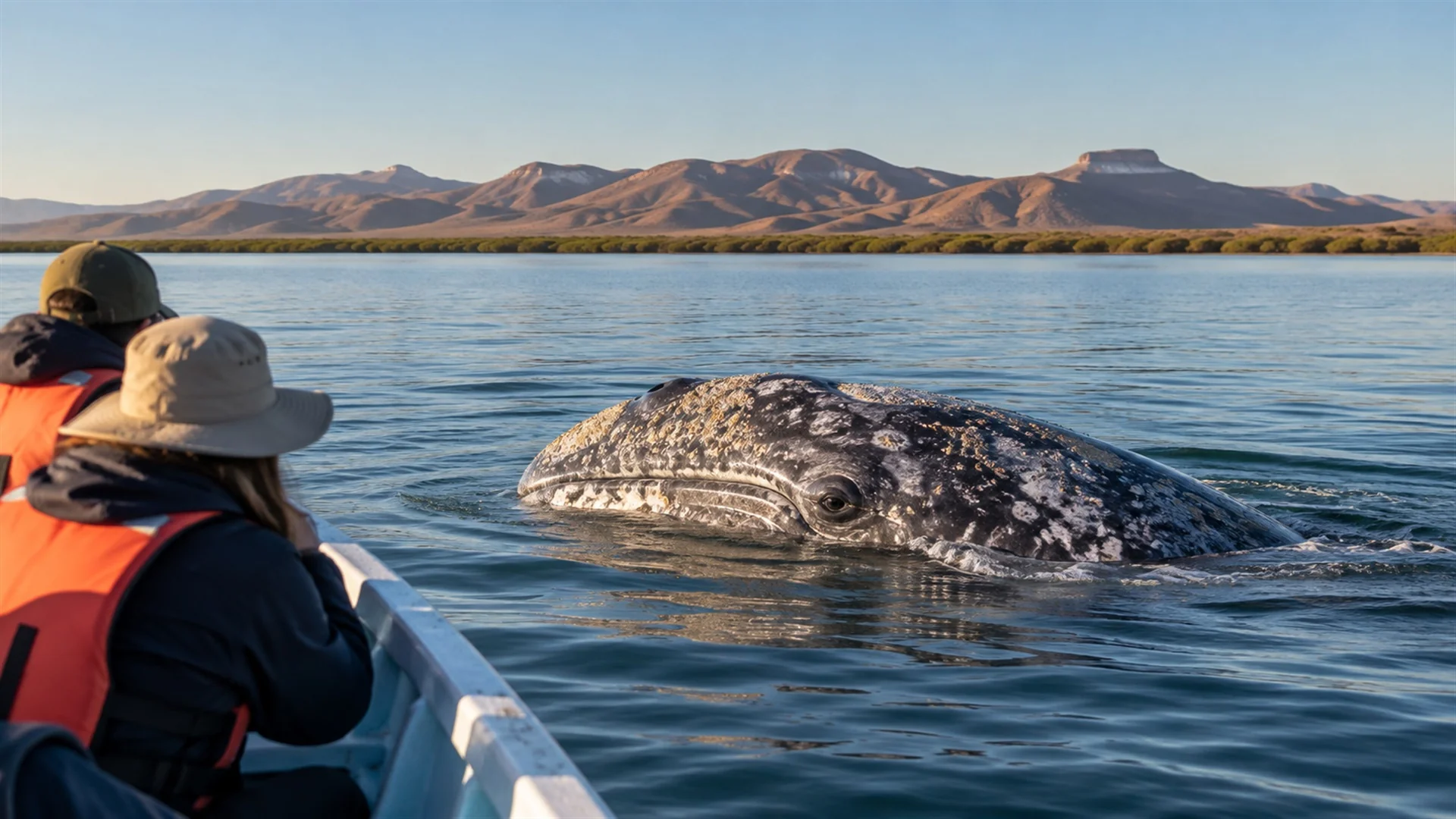
The defining reason to go is the gray whale. Each winter, gray whales travel south from Arctic feeding grounds to the sheltered lagoons on the Pacific side of the peninsula to calve. The season generally runs from January to March, when mothers and calves can be seen from small boats at close range.
Meanwhile, the Sea of Cortez offers its own winter spectacle. Humpback whales pass along the coast of Los Cabos through the winter months, and the gulf’s islands hold sea lion colonies and clear water for snorkeling.
Later, the calendar turns. Late summer and early autumn bring the warmest water but also the Pacific storm risk. For whale encounters, the best time to visit Mexico on the Baja side is the first quarter of the year, and it is the only window in which it can be arranged.
Monarchs, Day of the Dead and Semana Santa
One natural event and two cultural dates close the Mexican calendar more firmly than any weather pattern. The monarch butterfly is the first. Millions of butterflies overwinter in the high fir forests west of Mexico City, arriving around November and leaving by March. The densest colonies are usually seen between December and February.
The reserves are protected as a UNESCO World Heritage site, and visits are made on foot or horseback at altitude. Therefore, they pair naturally with a highland itinerary rather than a beach stay.
Next, Day of the Dead in late October and early November is the single most requested cultural date in the country. Rooms in Oaxaca and Mexico City fill months ahead, and the best private experiences are committed early in the year.
Finally, Semana Santa, the Holy Week before Easter, is the peak of domestic travel. Beaches, colonial towns and flights fill with Mexican families, often overlapping with spring holidays abroad. Knowing the best time to visit Mexico matters little if these weeks are not planned around. For official regional information, see https://visitmexico.com
Highland light, winter whales, and a coast that rests in autumn
Signature Experiences
- Dry-season mornings in the historic center of Mexico City
- Market and mezcal days in the valleys of Oaxaca
- Private candlelit evenings during Day of the Dead
- Guided ride to a monarch butterfly colony in winter
- Close encounter with a gray whale and her calf
- Snorkeling among sea lions in the Sea of Cortez
- Winter desert light over Los Cabos
- Calm Caribbean water on the Yucatán coast in spring
- Family beach week timed outside the hurricane window
- Holy Week processions in a colonial highland town
Ready to Begin the Journey?
A Mexican journey works best when its calendars are read together. At EscapeXperts, we match the highlands, the coast and the desert to the right weeks, combining seamless logistics, private access and curated exploration for travelers of every age.
Why Time Your Mexican Journey with EscapeXperts
Mexico rewards travelers who plan by region rather than by resort. Whales, butterflies, storms and festivals each keep their own dates, and they rarely align by chance. At EscapeXperts, we cross those calendars before a single flight is booked, so that the best time to visit Mexico becomes the right week for your family.


Pingback: Latin America Luxury Travel: How to Plan | EscapeXperts