Ideal length: 12 to 16 nights for two countries
Key constraint: Internal flights, inverted seasons and altitude
Countries covered: Peru · Argentina · Chile · Brazil · Colombia · Mexico
Book by: Nine to twelve months ahead for austral summer and Andean dry season
Latin America luxury travel is shaped less by wishes than by three hard constraints: distance, inverted seasons and altitude. Internal flights consume whole days, the southern summer contradicts the Andean dry season, and high cities demand time to acclimatize. The strongest itineraries are planned backward from these limits, not forward from a list of places.
Most first journeys to the region try to include too much. At EscapeXperts, we start with what the calendar and the map allow, and only then choose the destinations. As a result, the journey feels spacious rather than rushed.
The Continent Is Larger Than the Map Suggests
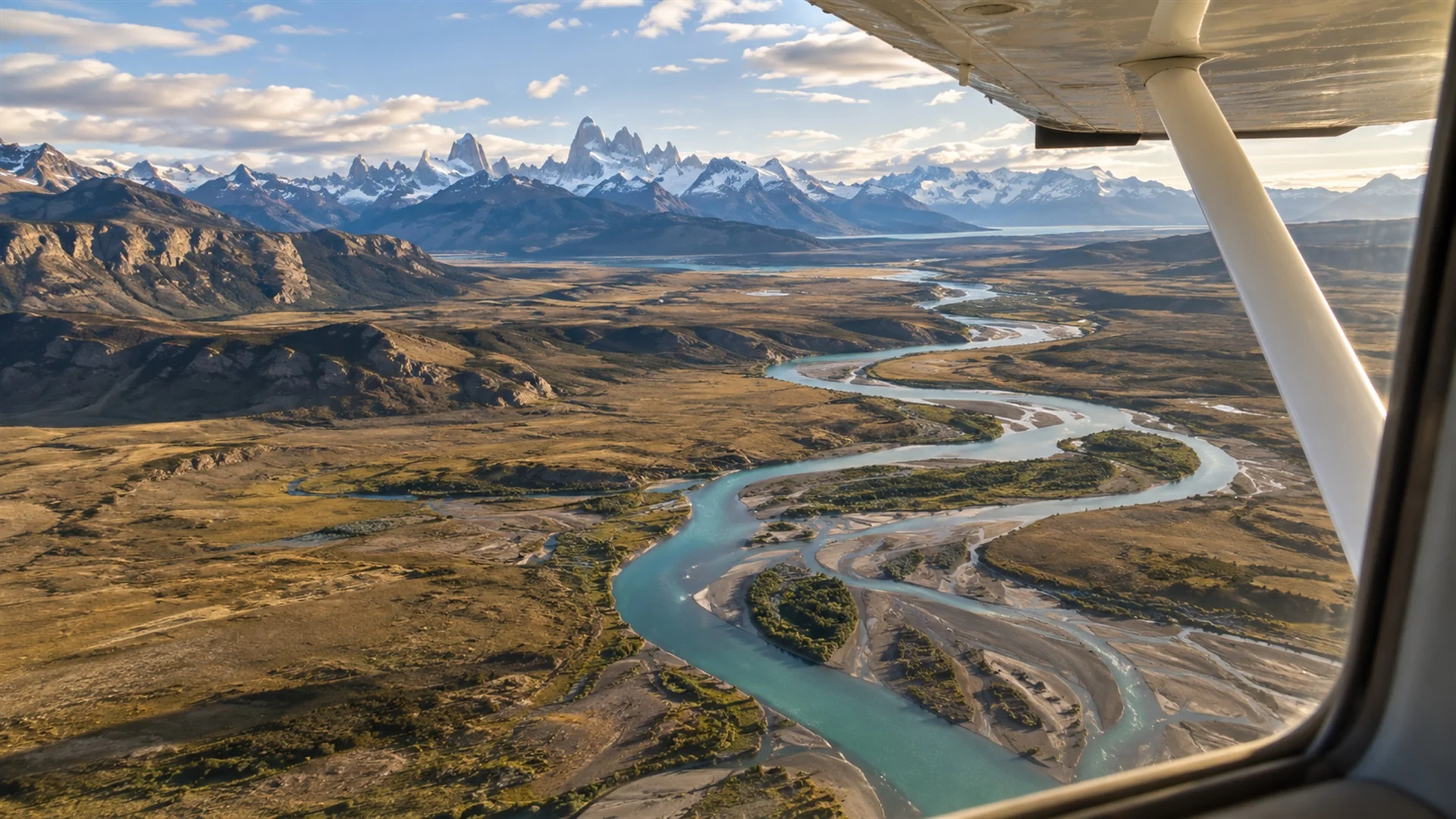
South America stretches some 4,500 miles from north to south, and its highlights sit at the far edges. Machu Picchu lies in the Andes of Peru, Patagonia at the southern tip of Argentina and Chile, and the Amazon basin across the north of Brazil. On a small map they look like neighbors. In practice, they are separate journeys.
Because of this, internal flights define the itinerary. Lima to Buenos Aires takes around four and a half hours. Buenos Aires to El Calafate, the gateway to southern Patagonia, is more than three hours. Santiago to Calama, for the Atacama, takes about two.
Direct connections between regional cities are limited, so most routes pass through a hub such as Lima, Santiago, Bogotá or São Paulo. Therefore, a single change of region often consumes a full travel day once transfers, connections and check-in are added.
The northern end of the region adds its own distances. Mexico City to Lima takes close to six hours, and Bogotá to Buenos Aires longer still. In addition, remote lodges in the Amazon, the Pantanal or southern Patagonia often require a further transfer by road, boat or light aircraft after the scheduled flight lands.
For this reason, every Latin America luxury travel plan should count flight days as part of the trip. A sixteen-night journey with five regions can easily lose four of those nights to transit alone.
The Seasons Are Inverted, and They Contradict Each Other
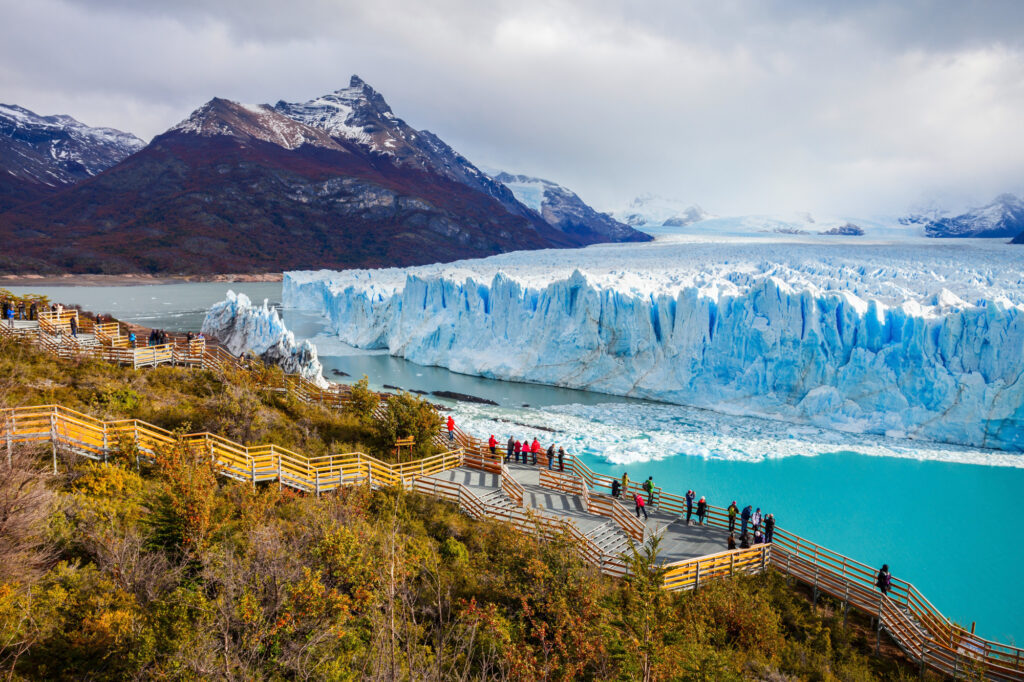
South of the equator, the seasons run in reverse. The austral summer, from December to February, is the peak for Patagonia, the southern lakes and the wine regions. Days are long, lodges are open and the weather is at its most reliable.
In contrast, the same weeks bring the rainy season to the Andes of Peru and Bolivia. Afternoon storms become frequent, and the Inca Trail closes each February for maintenance. The highland dry season, from roughly May to September, falls during the southern winter, when many Patagonian lodges are closed.
Meanwhile, Colombia and Mexico follow northern and tropical patterns of their own, with dry seasons that suit the northern winter. As a result, combining Machu Picchu with Patagonia requires choosing a shoulder month, such as October, November or March, when both regions are workable.
Understanding these contradictions is the foundation of Latin America luxury travel. A route that ignores them will always sacrifice one region to another.
Holidays tighten the calendar further. Christmas, New Year and the weeks of Carnival in February or March are the busiest periods across the southern half of the continent, when Brazilian and Argentine families travel as well. Therefore, a Latin America luxury travel plan for those weeks needs its key lodges secured well in advance.
Altitude Is a Scheduling Problem
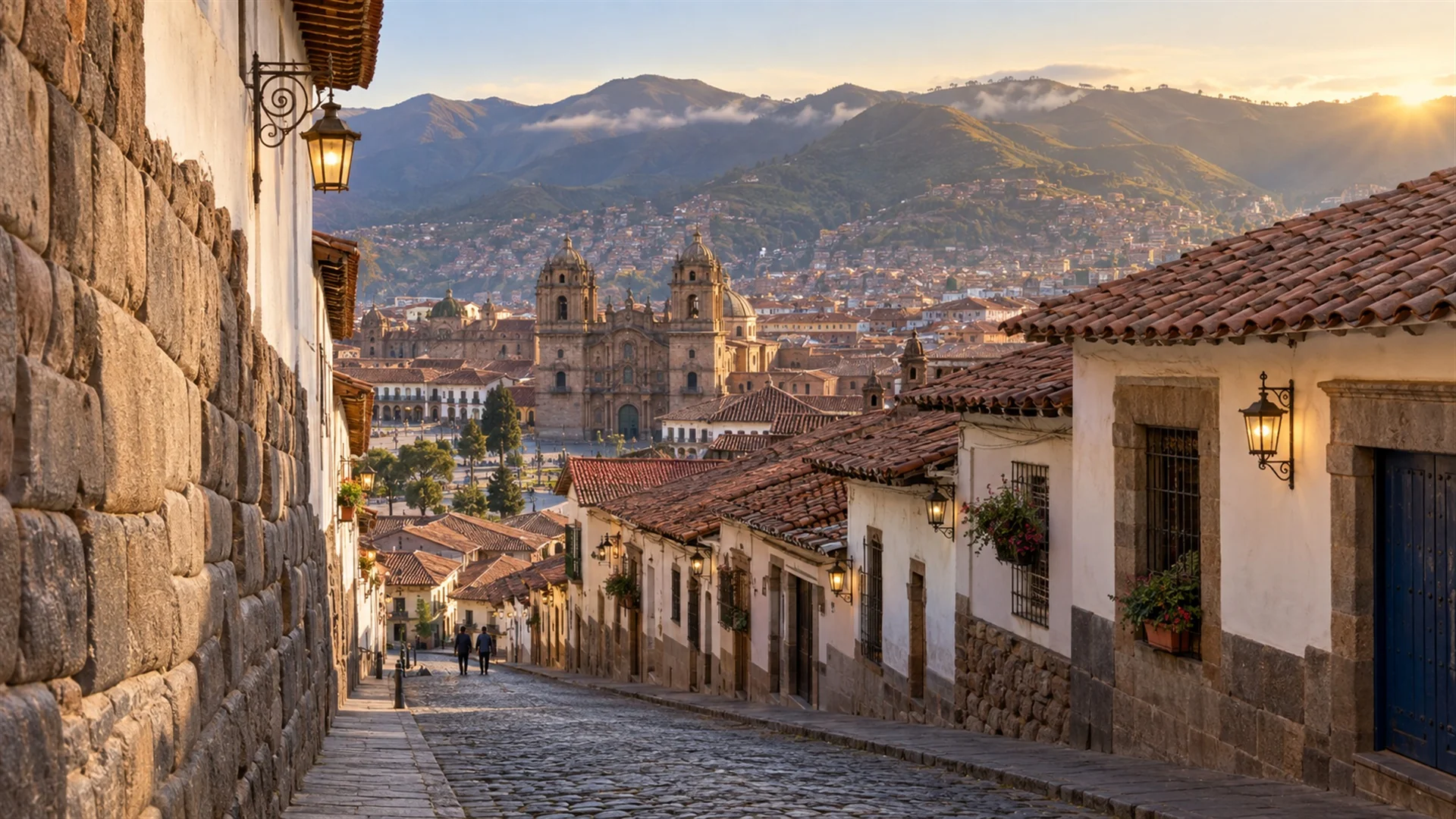
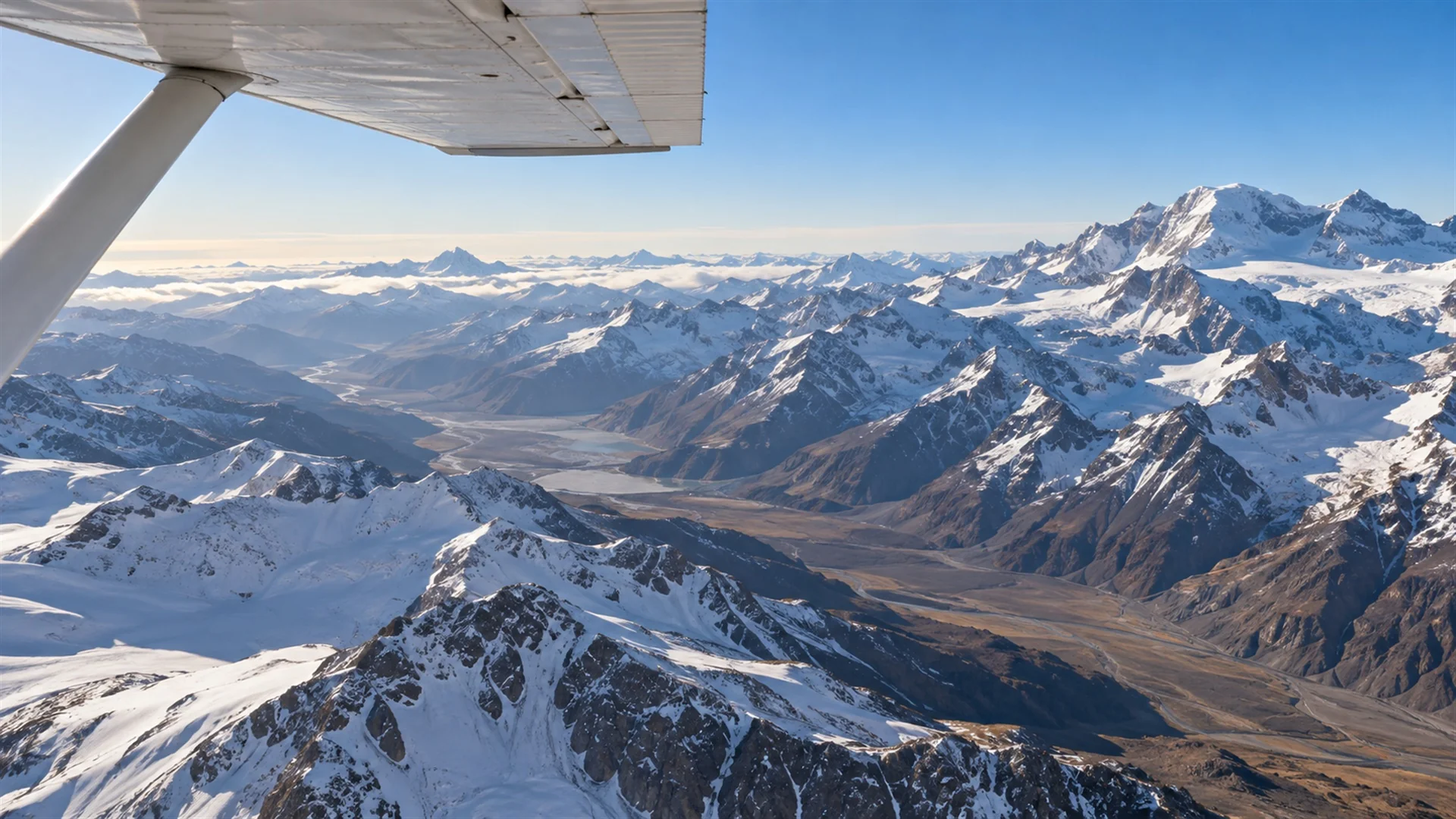
The Andes add a third constraint that rarely appears in a first plan: altitude. Cusco sits at roughly 11,150 feet, Quito at about 9,350 feet, and La Paz higher still. Arriving directly from sea level, most travelers feel the thin air during the first day or two.
Therefore, acclimatization days must be built into the route. A common approach is to descend first to Peru’s Sacred Valley, which lies lower than Cusco, and to rest there before climbing back to the city. Similarly, time in Quito is often best planned after a gentler first night.
In addition, the Atacama and the Bolivian highlands reach even greater heights on day excursions. These are not days that can be compressed. They should be treated as part of the experience, with slow mornings, light meals and early evenings.
Later, the route can reward the patience. Machu Picchu itself sits lower than Cusco, at around 7,970 feet, so the visit feels easier once the body has adjusted. The order of the stages, not only their length, decides how comfortable the Andes feel.
Because of this, a Peruvian journey that looks like five nights on paper often needs seven to feel comfortable. Allowing time for altitude is one of the clearest differences between an ambitious plan and a well-designed one.
Choosing Two Countries, Not Five
The most effective first journeys focus on two countries, occasionally three. Peru with Chile’s Atacama works well in the southern spring and autumn. Argentina with Chile pairs naturally in the austral summer, with Patagonia and the wine regions on both sides of the Andes.
Other pairings work mainly on a map. Mexico and Patagonia, for example, sit at opposite ends of the region, with a long flight and inverted seasons between them. Brazil with Peru is possible, but it demands careful routing through a single hub.
Meanwhile, some borders work in the traveler’s favor. Argentina and Brazil meet at Iguazú, which links Buenos Aires and Rio de Janeiro in a single, logical line. This kind of pairing turns a border into a bridge, and it is the logic behind strong Latin America luxury travel routes.
Finally, a focused route leaves room for depth. Two countries explored slowly will almost always be remembered more clearly than five seen in transit.
Planning Latin America Luxury Travel from the Constraints Backward
Here, planning begins with the month rather than the destination. Once the travel window is fixed, distance, season and altitude quickly narrow the options to the regions that work together.
Each destination in this collection has its own seasonal guide. Our guides to the best time to visit Peru, when to go to Argentina, Chile’s best seasons, the best months for Brazil and when to visit Mexico explain each calendar in detail, while this overview shows how they fit together. In this way, Latin America luxury travel becomes a sequence of well-timed stages rather than a race across the continent.
Finally, the most sought-after lodges in Patagonia, the Sacred Valley and the Atacama hold a limited number of rooms. For the austral summer and the Andean dry season, nine to twelve months of lead time is realistic, and the flights that connect them should be secured at the same moment.
Long distances, reversed seasons, and a journey planned with patience
Signature Experiences
- Unhurried arrival at Machu Picchu after proper acclimatization
- Restful first nights in Peru’s Sacred Valley
- Austral summer in Patagonia under long evening light
- Stargazing in the high desert of the Atacama
- Harvest season in the wine valleys of Argentina and Chile
- Colonial streets of Cartagena in Colombia’s dry season
- Highland winter mornings in Mexico
- Private flights and transfers planned around rest days
- Two-country journeys paced for depth rather than distance
Ready for Something Extraordinary?
A journey across Latin America succeeds or fails on its sequence. At EscapeXperts, we plan the flights, the seasons and the altitude before anything else, combining seamless logistics, private experiences and curated exploration in the order that works.
Why Travel to Latin America with EscapeXperts
Latin America rewards travelers who respect its scale. Distances are long, seasons contradict each other and altitude asks for patience. At EscapeXperts, we design routes around these realities, with private transfers, well-placed rest days and carefully chosen stays. The result is Latin America luxury travel that feels calm, coherent and entirely your own.