Best months: August to October for journeys combining coast and wildlife
Coast: Rio de Janeiro all year · Bahia from September to March
Wetland: Pantanal from July to October
Availability blocks: Réveillon and Carnival
The best time to visit Brazil depends on which Brazil the trip is built around, because the coast, the wetland and the rainforest follow different calendars. For a journey that combines beaches and wildlife, August to October is the window in which the most regions align.
Most travelers plan Brazil as a beach destination and then add wildlife. However, the peak beach months on the northeastern coast coincide with the floods in the Pantanal, and the best wildlife months fall in the southern winter. Therefore, the order of priorities decides the month.
At EscapeXperts, we read Brazil as three clocks running at once. This guide sets them side by side and explains which regions can share the same journey.
Why Brazil Runs on Three Clocks
Brazil is closer to a continent than a country. It spans tropical beaches, vast wetlands, dense rainforest and temperate highlands, and each region has its own rhythm of rain and dry weather.
Along the southeastern coast, around Rio de Janeiro, summer is hot and humid, while winter is mild and drier. Further north, in Bahia, the rain pattern shifts, and the wettest months fall in the southern autumn and early winter.
Meanwhile, the interior follows the classic tropical division between a wet season and a dry season. In the Pantanal, this decides whether the land is flooded or open. In the Amazon, it decides whether the forest is explored by boat or on foot.
Because of this, the best time to visit Brazil is rarely a single month for the whole country. It is a question of which regions matter most to each traveler, and which ones can wait.
The Coast: Rio, Bahia and the Islands
Rio de Janeiro can be visited throughout the year. The summer months, from December to March, bring heat, humidity and the liveliest beach life. In contrast, the southern winter offers clear, comfortable days that suit walking and sightseeing.
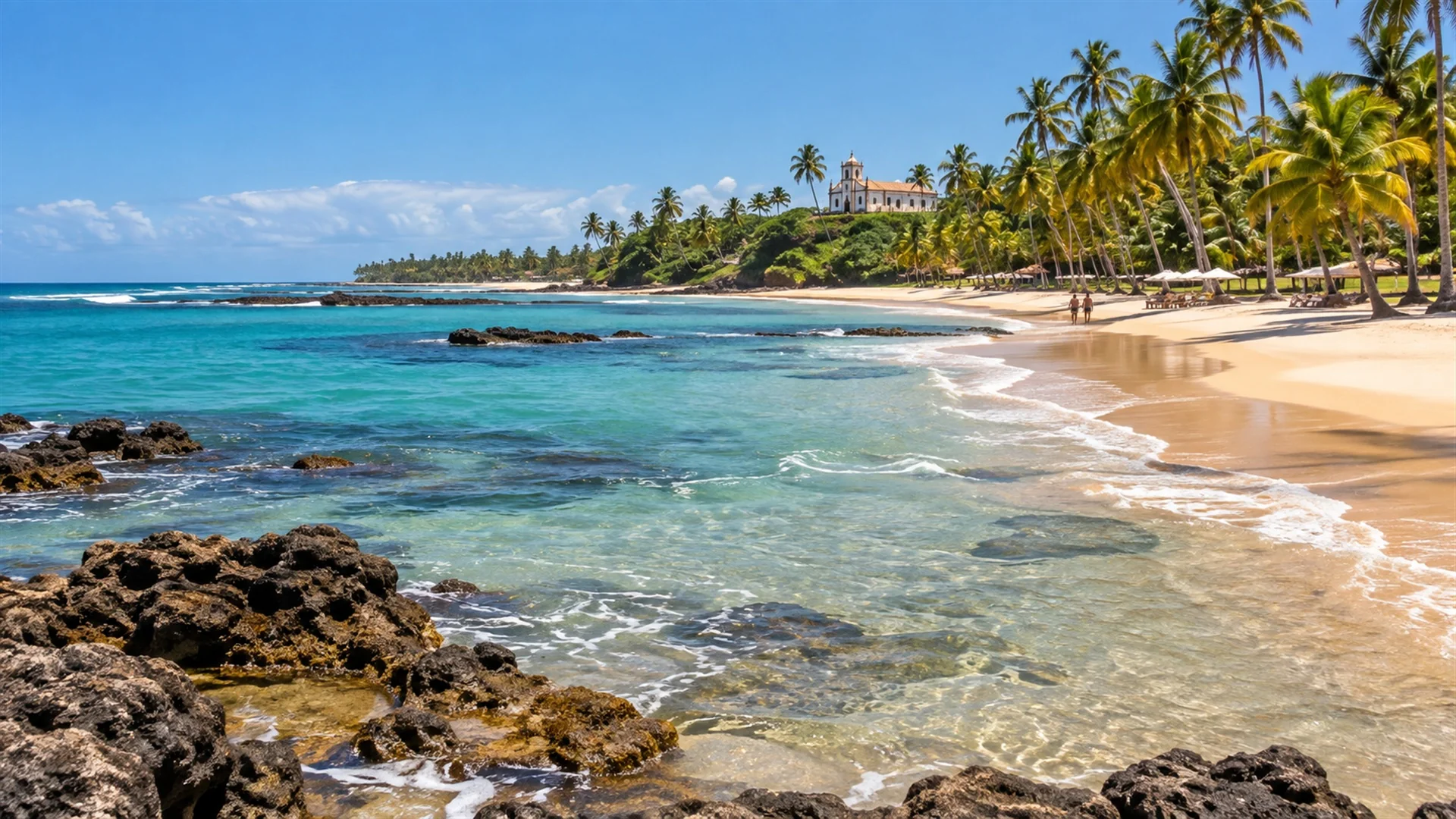
The northeastern coast follows a different logic. In Bahia and its capital, Salvador, the driest and sunniest months run broadly from September to March, while the southern autumn and early winter bring the heaviest rain. Coastal resorts are at their best in the drier months.
Further offshore, Fernando de Noronha is a protected archipelago with exceptional marine life. Visitor numbers are controlled, and the drier months in the second half of the year generally bring the clearest water for diving and snorkeling.
As a result, families planning a beach-focused Brazil often choose the Christmas and summer holidays. The weather supports that choice, but availability becomes the main constraint, as the following sections explain.
The Wetland: The Pantanal’s Dry Season Decides Everything
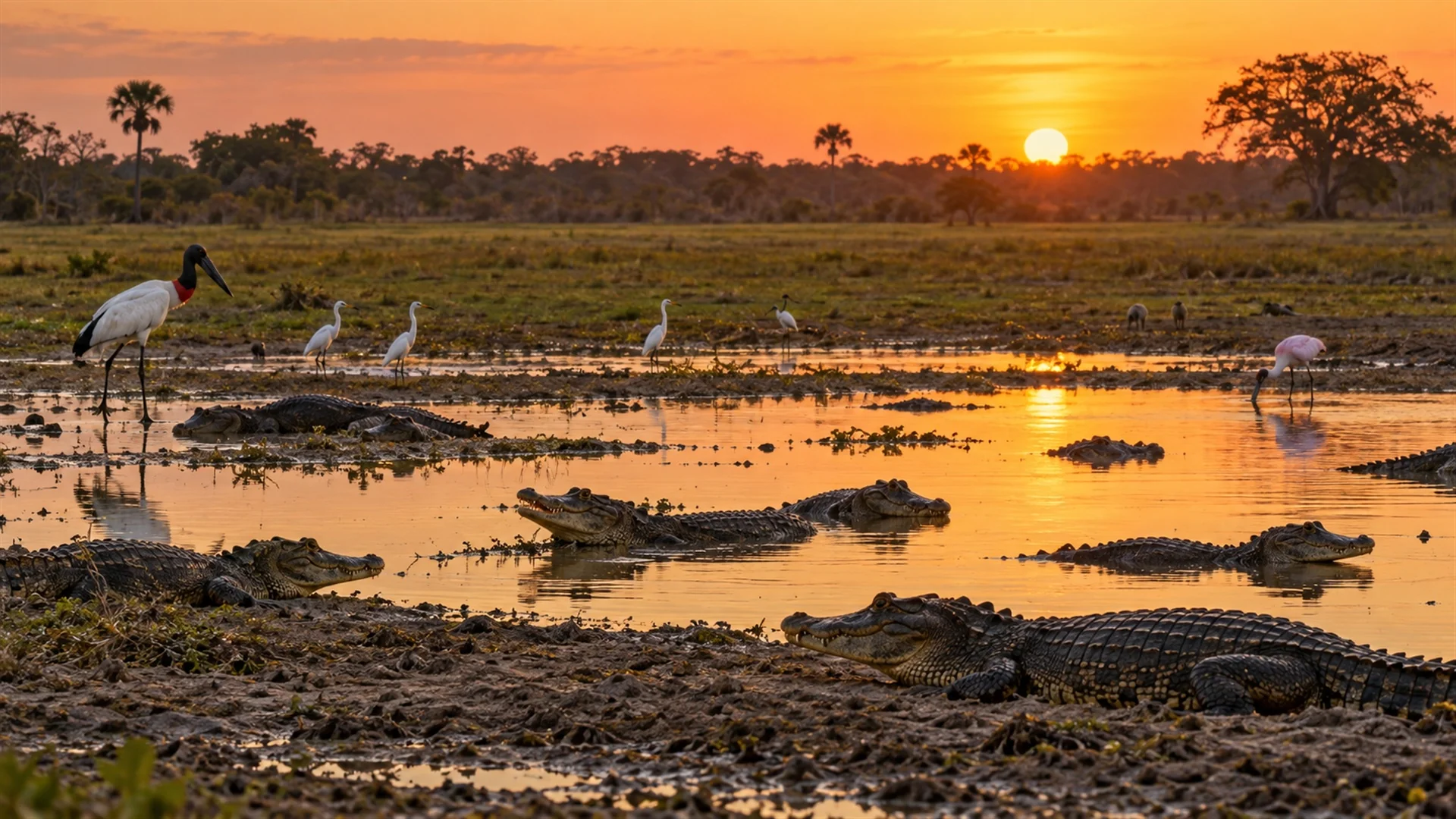
The Pantanal is the clearest case of a region with a good season and a poor one. During the wet season, roughly from November to March, the floodplain fills with water, animals disperse and many areas become difficult to reach.
In contrast, the dry season, from about July to October, concentrates wildlife around rivers and remaining pools. This is the period when sightings of jaguars, caimans, capybaras and waterbirds become frequent, and when lodges operate at their fullest.
Therefore, travelers whose priority is wildlife should build the journey around these months. The wet season offers green landscapes and birdlife, but for mammal observation it cannot replace the dry season.
For families, July aligns neatly with Northern Hemisphere school holidays and the early dry season. The best time to visit Brazil for wildlife is therefore also one of the most practical for families.
The Rainforest and the Falls
The Amazon has no poor season, only two different ones. During the high-water months, roughly from December to May, boats and canoes glide into flooded forest. Later, in the low-water months, trails open and river beaches appear.
Meanwhile, Iguazu is impressive throughout the year. The falls carry the most water during the rainy months of the southern summer and remain substantial in the drier season. Its timing is flexible enough to fit around the other regions.
Inland from Bahia, Chapada Diamantina offers canyons, waterfalls and plateaus that are best explored in the drier months. Heavy rain in the southern summer can make trails slippery and swell the rivers.
As a result, the rainforest and the falls rarely decide the date of a Brazilian journey. They adapt to the coast and the wetland, which are far less flexible.
Carnival and Réveillon: Dates That Close the Calendar
Two events shape availability more than weather. Réveillon, the New Year celebration, draws large crowds to the beaches of Rio de Janeiro and the northeast. Hotels are booked months in advance, and many require minimum stays.
Carnival follows shortly after. Its dates move each year with the religious calendar, falling in February or early March, and it transforms Rio de Janeiro and Salvador for the better part of a week.
For travelers who want to experience these celebrations, early planning is essential. For others, it is equally important to know the dates in advance and avoid them, since rooms, flights and transfers become scarce.
The effect also reaches well beyond the two host cities. Many Brazilian families travel during these weeks, so domestic flights, island transfers and coastal resorts across the country fill early. Because of this, any journey planned for late December or the Carnival weeks should confirm internal flights first.
Therefore, the best time to visit Brazil is not only a matter of climate. It also depends on whether these two events are part of the plan or something to work around.
Combinations That Work in a Single Journey
August to October offers the strongest combined itinerary. The Pantanal is at its peak for wildlife, Rio de Janeiro is pleasant, Bahia is entering its dry months, and Iguazu and the Amazon both fit comfortably. For many travelers, this is the best time to visit Brazil as a whole.
July works well for families. The Pantanal is in its early dry season and Rio is mild, although Bahia may still see rain. Next, December to March suits beach-focused trips along the Bahia coast, with the Amazon at high water.
April to June is the most delicate period for a combined journey. The Pantanal is still draining, Bahia receives its heaviest rain, and only Rio de Janeiro, Iguazu and the Amazon at high water are reliably at their best. Because of this, these months suit shorter, focused trips rather than a journey across the whole country.
In contrast, combining the Pantanal with a northeastern beach holiday in January rarely works. The wetland is flooded while the coast is at its peak. Knowing this is what separates a balanced itinerary from one built on the wrong month.
Atlantic beaches, open wetlands, and the rhythm of three seasons
Signature Experiences
- Winter sightseeing in Rio de Janeiro under clear skies
- Dry-season wildlife safaris in the Pantanal
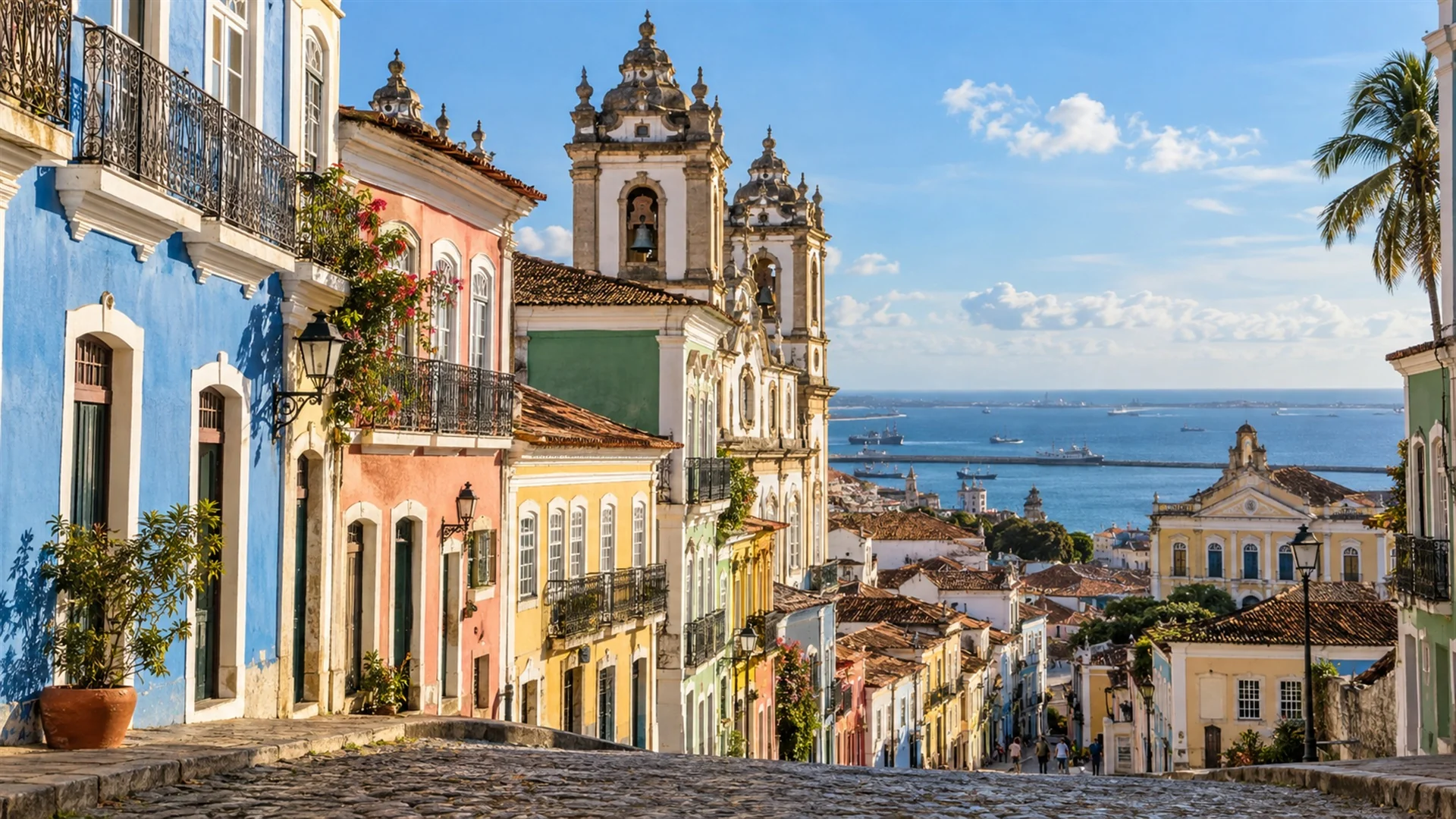
- Colonial streets and music in Salvador
- Beach stays along the Bahia coast between September and March
- Snorkeling in the protected waters of Fernando de Noronha
- Canoe journeys through flooded forest in the Amazon
- Walks to the viewing platforms of Iguazu
- Canyon and waterfall hikes in Chapada Diamantina
- New Year on the beach during Réveillon
- Private hospitality during Carnival in Rio or Salvador
Let’s Design Your Experience
Brazil rewards travelers who match each region to its season. At EscapeXperts, we coordinate seamless logistics, private experiences and curated exploration, so that coast, wetland and rainforest are each visited at their best within a single journey.
Why Travel to Brazil with EscapeXperts
Brazil runs on three calendars, and most itineraries follow only one. At EscapeXperts, we align the coast, the wetland and the rainforest, secure availability around Carnival and Réveillon, and pace the journey for every member of the family. For heritage context, see https://whc.unesco.org/en/statesparties/br. The result is a clear answer to the best time to visit Brazil.